
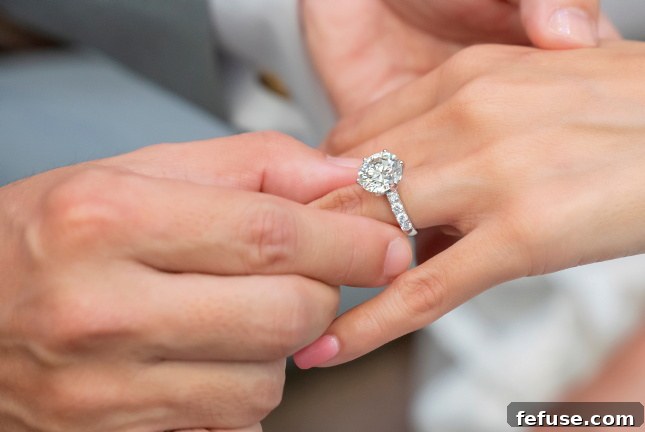
The U.S. jewelry market, a sector deeply intertwined with life’s most cherished milestones, is currently navigating a period of significant recalibration. At the forefront of this discussion is Signet Jewelers, the nation’s largest jewelry chain, boasting an expansive network of 2,800 outlets across various iconic brands. Signet has identified a pronounced “engagement gap” as the primary culprit behind a recent dip in engagement ring sales, signaling a profound ripple effect stemming from the global COVID-19 pandemic. This observation is not merely an anecdote but a strategic insight shaping the industry’s outlook for the coming years, underscoring the deep connection between societal shifts and consumer behavior in the luxury retail space.
The Pandemic’s Unforeseen Impact on Romantic Timelines
The COVID-19 pandemic, with its unprecedented lockdowns and pervasive social restrictions, inadvertently acted as a significant “passion killer” for countless emerging relationships. The forced isolation and pervasive uncertainty of 2020 and 2021 profoundly disrupted the organic progression of romantic connections. Relationships that might have naturally blossomed into 2023 weddings either faltered under the immense pressure of prolonged confinement, geographic separation, or simply never had the opportunity to fully develop in an environment where social interaction was severely limited. This era of reduced social mingling and heightened anxiety led many individuals to postpone or completely reassess major life decisions, including dating, cohabitation, and, critically, engagement and marriage.
The psychological toll of the pandemic cannot be overstated. Economic anxieties, health concerns, and the sheer logistical challenges of navigating daily life under lockdown created an environment antithetical to the carefree, romantic exploration often associated with the early stages of a relationship. Travel restrictions meant long-distance couples struggled to connect, while even local dating became a complex logistical puzzle. These cumulative factors contributed to a slowdown in relationship formation and advancement, creating a delayed effect that is now manifesting as the “engagement gap.” The societal pause, though temporary, left a lasting imprint on the relationship timelines of a generation, directly impacting industries like jewelry that thrive on celebrating these significant personal milestones.
Signet’s Data-Driven Perspective and Strategic Outlook
Signet Jewelers, through its comprehensive market research, has meticulously tracked the average trajectory of relationships, revealing a crucial insight: the typical time from a first date to marriage spans just over three years. This key metric provides the foundational understanding for the current market challenge. Given this timeline, the relationship disruptions and delays experienced during the peak pandemic years of 2020 and 2021 are now directly translating into a noticeable decline in engagement ring purchases in 2023. The market is effectively experiencing the delayed consequences of a period when fewer new relationships were forming and progressing at a normal pace.
Jamie Singleton, Signet’s astute President and Chief Consumer Officer, articulated this strategic foresight, stating, “What’s happened over the past couple of years is what we anticipated and what we planned for.” This statement underscores Signet’s proactive approach to market analysis and its strategic preparations for the anticipated downturn. The company is not caught off guard but is actively managing the expected market shifts. Singleton further emphasized the significant recovery trajectory required, indicating that the sector would need to achieve an ambitious 25 percent growth by 2026 to return to its pre-pandemic sales levels. This ambitious target highlights the scale of the challenge but also Signet’s confidence in the market’s long-term potential.
Despite the current headwinds, Signet remains optimistic, citing “encouraging signs that people are dating again.” These indicators are multifaceted and reflect a broader societal return to normalcy. Increased social activity, a resurgence in travel, higher engagement on dating apps, and a general shift in consumer sentiment towards a desire for connection and celebration all contribute to this positive outlook. As individuals reclaim their social lives and prioritize forging meaningful relationships, the pathways to engagement and marriage are naturally reopening. Signet’s strategy is inherently built on the fundamental human desire for connection and the timeless tradition of commemorating love with significant symbols.
The Core of Signet’s Business: Bridal Dominance Across Diverse Brands
The engagement gap poses a particularly acute challenge for Signet because bridal sales account for a substantial approximately half of its entire business. This makes the health of the engagement and wedding market absolutely critical to the company’s overall performance and profitability. Signet operates an impressive portfolio of well-known jewelry banners, each catering to distinct market segments and consumer preferences. These brands include household names like Kay Jewelers, renowned for its accessibility and broad appeal; Zales, often positioned as “The Diamond Store”; and Jared, the Galleria of Jewelry, which offers a more curated and higher-end shopping experience.
Beyond these traditional brick-and-mortar powerhouses, Signet has strategically diversified its reach. Banter by Piercing Pagoda caters to a younger demographic with accessible piercing services and fashion jewelry. Diamonds Direct offers a more direct-to-consumer model for fine jewelry. JamesAllen.com stands as a pioneer and leader in the online diamond and engagement ring market, providing extensive customization options and a digital-first experience. Rocksbox offers a jewelry rental subscription service, appealing to those seeking variety and flexibility. Furthermore, Signet’s international presence is solidified through brands like Peoples Jewellers in Canada and H.Samuel and Ernest Jones in the UK, demonstrating a global footprint in the jewelry retail landscape. This diverse brand ecosystem allows Signet to capture various segments of the market, from first-time jewelry buyers to discerning collectors, and to adapt to evolving consumer behaviors, even as it navigates the current challenges in its core bridal segment.
Strategies for Bridging the Gap and Future Growth in the Jewelry Market
To effectively bridge this engagement gap and propel the company towards its ambitious 2026 growth targets, Signet Jewelers and the broader industry are poised to implement multifaceted strategies. A primary focus will undoubtedly be on reinvigorated marketing campaigns that tap into the renewed desire for connection and celebration. These campaigns will likely emphasize the enduring emotional value of jewelry, showcasing its role as a timeless symbol of love, commitment, and personal milestones. Stories that resonate with new generations of daters, highlighting unique love stories and personalized expressions of affection, will be crucial.
Product innovation will also play a pivotal role. This includes expanding offerings in lab-grown diamonds, which appeal to environmentally conscious consumers and offer greater value, as well as enhancing customization and personalization options across all price points. Modern couples increasingly seek unique pieces that reflect their individual stories and values, moving beyond traditional designs. Furthermore, leveraging technology to enhance the customer experience—both online and in-store—will be paramount. Omnichannel strategies that seamlessly integrate digital browsing with in-person consultations, virtual try-ons, and personalized recommendations will cater to the expectations of today’s tech-savvy consumers. Improving accessibility through various payment options and transparent pricing will also contribute to attracting a wider customer base.
Beyond engagement rings, Signet can also strategically amplify its focus on other celebratory occasions and self-purchase trends. While bridal is a cornerstone, the market for anniversary gifts, birthstone jewelry, graduation presents, and “just because” purchases remains robust. Diversifying marketing efforts to capture these moments of self-expression and milestone celebration can help stabilize sales during periods of fluctuation in the bridal market. Ultimately, the industry’s success hinges on its ability to adapt to changing demographics, evolving consumer values, and the dynamic landscape of modern romance, continually reminding consumers of the profound emotional significance embedded in a beautifully crafted piece of jewelry.
Conclusion: A Resilient Industry Awaiting a Rebound
The “engagement gap” identified by Signet Jewelers represents a significant, yet ultimately temporary, challenge for the U.S. jewelry market. It serves as a tangible reminder of how deeply global events, even those seemingly unrelated to romance, can influence fundamental human behaviors and subsequent economic patterns. However, Signet’s strategic preparedness and its optimistic outlook, bolstered by encouraging signs of renewed social interaction and dating, paint a picture of resilience and anticipated recovery. The human desire for connection, love, and the ceremonial acknowledgment of life’s most significant moments remains an intrinsic and powerful force.
As society continues to emerge fully from the shadow of the pandemic, and as individuals confidently resume pursuing relationships and planning their futures, the pathways to engagement and marriage are expected to naturally rebound. With its diverse portfolio of brands, deep market insights, and proactive strategic planning, Signet Jewelers is well-positioned to capitalize on this eventual resurgence. The jewelry industry, a timeless purveyor of sentiment and celebration, looks forward to a future where love stories, once paused, flourish anew, bringing with them a vibrant return to the joy of engagements and marriages.