
Angola, a nation endowed with vast natural resources, has long been recognized for its significant potential in the global diamond industry. While its journey has been marked by periods of challenge and recovery, recent developments underscore its renewed ambition to solidify its position as a major player. The year 2022, in particular, presented a compelling narrative for Angola’s diamond sector, characterized by fluctuating production volumes but robust revenue growth, signaling a maturing market and strategic shifts within the industry.
The latest figures from the Angolan Ministry for Mineral Resources, Oil and Gas reveal that the country exported 8.75 million carats of diamonds last year. This volume, though substantial, fell short of its initial optimistic forecast of 13.8 million carats, and even below its revised forecast of 10.5 million carats set in January 2022. Despite this shortfall in quantitative output, the total revenue generated from these exports surged to an impressive $1.95 billion. This marks a substantial increase of almost a quarter, or 25%, when compared to the $1.5 billion recorded in 2021. This divergence between lower caratage and significantly higher revenue per carat suggests a favorable shift in market dynamics, potentially driven by stronger global demand for higher-quality Angolan diamonds, strategic pricing, or a favorable blend of diamond types exported.
Angola’s Ambitious Vision: A Global Diamond Powerhouse by 2030
Driving much of this forward momentum is the bold vision articulated by Diamantino de Azevedo, Angola’s Minister for Mineral Resources, Oil and Gas. Minister de Azevedo has consistently voiced his country’s aspiration to become the world’s second-biggest producer of rough diamonds by the year 2030. This ambitious goal is not merely a statement of intent but is backed by concrete plans for increased exploration, enhanced operational efficiency, and a concerted effort to attract significant foreign investment into the sector. Achieving this status would not only elevate Angola’s standing on the global stage but also bring substantial economic benefits, fostering job creation, infrastructure development, and crucial economic diversification away from its traditional reliance on oil and gas exports.
To realize this vision for the Angolan diamond industry, the government is actively working on several fronts. Regulatory reforms aimed at improving transparency and ease of doing business are paramount. The administration is committed to streamlining licensing processes, ensuring legal certainty for investors, and combating illegal mining activities that have historically plagued parts of the sector. These reforms are crucial for building investor confidence and for unlocking the full potential of Angola’s vast, yet largely unexplored, diamond reserves. Furthermore, substantial investments in human capital development and the adoption of cutting-edge mining technology are seen as essential to modernize mining operations and ensure sustainable, environmentally responsible practices in line with international best standards. The commitment to ethical sourcing, often highlighted through adherence to processes like the Kimberley Process Certification Scheme, also plays a critical role in attracting reputable international partners.
Catoca Mine: The Crown Jewel of Angolan Diamond Production
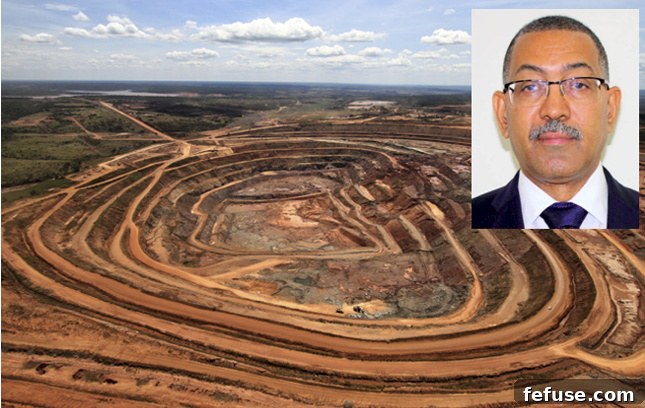
At the very heart of Angola’s current diamond production lies the Catoca mine, an undeniable powerhouse in the industry. This formidable operation, jointly owned by the Angolan government’s national diamond company Endiama and the Russian diamond giant Alrosa, stands as a testament to successful international partnerships and efficient large-scale mining. In the past year, Catoca accounted for an astounding almost 65 percent of Angola’s total diamond production, firmly cementing its role as the nation’s leading producer. Its contribution is pivotal not only in terms of sheer volume but also in setting benchmarks for operational excellence and technological advancement within the country, often employing advanced techniques for kimberlite mining.
Globally, the Catoca mine is currently recognized as the world’s fourth-biggest diamond producer by volume, a remarkable achievement that underscores its immense scale and geological richness. However, what makes Catoca’s future prospects even more compelling is the revelation that a significant portion of its diamond-rich territories, estimated at around 60 percent, has yet to be fully explored. This vast untapped potential represents a colossal opportunity for future growth, promising to sustain high levels of production for decades to come and further contributing to Angola’s aspiration of climbing the ranks in global diamond production. Continued investment in advanced exploration technologies, geological mapping, and specialized expertise will be key to unlocking these hidden reserves and extending the life and productivity of this crucial mine, ensuring its continued dominance in the Angolan sector.
The Return of De Beers: A Vote of Confidence in Angola’s Reforms
Perhaps one of the most significant indicators of Angola’s positive trajectory and its unwavering commitment to reforms is the renewed interest from global diamond giant De Beers. After a period of absence, De Beers, a name synonymous with the international diamond trade, has officially revived its plans to invest in Angola. This strategic move sends a powerful signal of confidence to the international mining community, validating the efforts of the Angolan government. This decision follows what the company itself describes as “substantive and consistent reforms” implemented by the Angolan government since the end of the previous administration. The country, once ravaged by a devastating 27-year civil war that concluded in 2002, is now showcasing a stable political and economic environment increasingly conducive to major foreign direct investment.
The civil war left deep scars on Angola’s socio-economic fabric, including its nascent diamond industry. For years, the sector struggled with illicit mining, lack of transparency, and the absence of major international players who were hesitant to invest in an unstable environment. The re-engagement of a company of De Beers’ stature, with its long history and global reach, signifies a dramatic turnaround. It indicates that the Angolan government’s concerted efforts to enhance governance, combat corruption, streamline regulations, and promote a more secure and predictable investment climate are indeed bearing fruit. De Beers’ extensive expertise in advanced exploration techniques, cutting-edge mining technology, and its robust ethical sourcing practices are expected to bring invaluable contributions to the Angolan diamond sector. This renewed partnership could potentially lead to the opening up of new concessions, the adoption of world-class operational standards, and a significant boost to the industry’s overall reputation and efficiency.
Beyond Production: Economic Diversification and Social Impact
Angola’s renewed focus on its diamond industry is an integral part of a broader national strategy to diversify its economy. Historically, Angola has been heavily reliant on oil exports, making it highly vulnerable to global oil price fluctuations and limiting its economic resilience. Developing a robust, transparent, and sustainably managed diamond sector offers a viable pathway to reduce this dependency, thereby creating a more resilient and balanced economy. The expansion of legitimate diamond mining operations is expected to generate significant direct and indirect employment opportunities, ranging from highly skilled geologists, engineers, and technicians to administrative support staff, logistics personnel, and service providers.
Moreover, the diamond industry has the profound potential to drive social development in remote mining communities. Through responsible mining practices and corporate social responsibility initiatives, companies can contribute substantially to local infrastructure development. This includes the construction and improvement of essential facilities such as schools, healthcare centers, roads, and access to clean water. Transparent revenue management, robust fiscal policies, and strict adherence to international initiatives like the Kimberley Process Certification Scheme are critical to ensure that diamond wealth truly benefits all Angolans and contributes positively to sustainable national development, rather than fueling conflict or illicit activities. Angola’s unwavering commitment to these principles is paramount for securing its long-term success, fostering socio-economic progress, and maintaining its sterling reputation in the discerning global diamond market.
Challenges and the Path Forward for Angolan Diamonds
While the outlook for Angola’s diamond industry is largely optimistic and promising, certain challenges remain that require continuous attention and strategic management. Global market volatility, fluctuating diamond prices influenced by economic conditions, and the perennial need for substantial, continuous investment in exploration, infrastructure, and technology are ongoing considerations. The persistent fight against illegal mining and ensuring full compliance with stringent ethical sourcing standards also demands sustained effort and international cooperation. However, with the government’s proactive stance on comprehensive reforms, the continued robust performance and expansion plans of operations like Catoca, and the highly significant re-entry of major global players like De Beers, Angola is remarkably well-positioned to navigate these hurdles and solidify its position.
The path forward for Angola’s diamond sector involves a continued emphasis on transparency, good governance, attracting further diversified international investment, and fostering local expertise through education and training programs. By fully leveraging its vast geological potential and maintaining a stable, predictable, and investor-friendly environment, Angola is not merely aspiring to become a major diamond producer; it is actively laying the strategic groundwork to fundamentally redefine its economic future and enhance its global standing. The ambitious target of becoming the world’s second-largest rough diamond producer by 2030 is undoubtedly challenging, but with the significant momentum gained in 2022 and the comprehensive strategic initiatives currently underway, it is an achievable goal that promises to bring lasting prosperity, stability, and recognition to the industrious Angolan nation.