
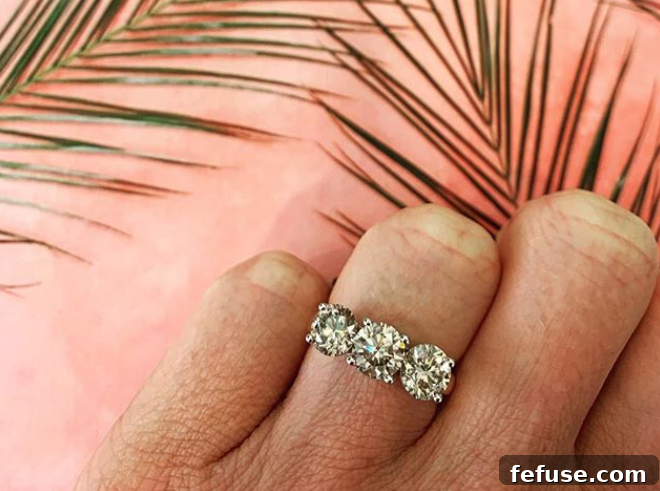
The journey to “I do” has long been steeped in romantic traditions, none perhaps as iconic as the surprise proposal culminating in the presentation of a meticulously chosen engagement ring. For generations, the task of selecting this paramount symbol of commitment has typically fallen to the proposer, often a man, embarking on a clandestine mission to find the perfect piece. This classic narrative, filled with anticipation and a touch of daring secrecy, has formed the bedrock of countless love stories. Yet, like many facets of modern relationships, this tradition is experiencing a significant evolution. Contemporary couples are increasingly redefining the conventional roles, embracing a more collaborative and open approach to their marital preparations, including the all-important engagement ring selection.
Recent research from Aspire Diamonds, a prominent Birmingham-based jeweler, casts a revealing light on this changing landscape. Their findings indicate a notable shift from the established norm: over one-third of women are now actively involved in picking out their own engagement rings. This isn’t merely a subtle modification; it represents a substantial recalibration of a deeply ingrained cultural practice. The study meticulously tracked consumer behavior, providing concrete data that challenges long-held assumptions about how engagements unfold in the 21st century. This emerging trend signals a broader movement towards shared decision-making and personalization in significant life events, reflecting modern partnerships built on mutual respect and open communication.
Digging deeper into the statistics, the Aspire Diamonds research reveals that a striking 37% of women openly admitted to having chosen their own engagement ring. This figure is more than just a data point; it’s a testament to a powerful wave of female agency in one of life’s most momentous decisions. Furthermore, the average value of these self-selected engagement rings hovered around £1,650, indicating that this isn’t a frivolous choice but a considered investment in a piece of jewelry meant to last a lifetime. This monetary value underscores the significance women place on their engagement rings, treating them not just as symbols of love but as cherished personal adornments that reflect their individual style and taste, making the decision-making process even more critical.
Richard Askey of Aspire Diamonds, observing this fascinating trend firsthand, offered his professional insight. He noted, “We’re seeing more and more couples shopping for engagement rings together, and often after the proposal has already happened.” This observation highlights another intriguing aspect of the evolving tradition: the proposal itself may remain a surprise, but the ring selection has become a post-proposal joint venture. Askey further elaborated, “In fact, we found that 29% of people received a ring after the proposal.” This statistic points to a pragmatic approach, where the romantic gesture of the proposal is decoupled from the pressure of picking the perfect ring, allowing both partners to partake in the experience without sacrificing the element of surprise in the proposal itself.
Askey eloquently articulated the underlying rationale for this shift, stating, “The engagement ring is such an important purchase, as it’s worn for the rest of your life, therefore it’s no surprise to see it becoming more of a joint decision… no one wants to get it wrong!” This statement resonates deeply, acknowledging the immense personal and financial weight attached to an engagement ring. It’s more than just a piece of jewelry; it’s a daily reminder of commitment, a symbol of personal style, and often, a significant financial investment. The desire to “get it right” is paramount, leading couples to pool their preferences, research, and budget to ensure the chosen ring truly embodies their shared journey and individual aesthetics. This collaborative approach minimizes the risk of disappointment and maximizes the joy associated with such a pivotal purchase.
The increasing trend of women choosing their own rings gains even more clarity when viewed against a backdrop of previous research. Studies have indicated that nearly 60% of women were, at some point, unhappy with their engagement rings. This staggering figure serves as a compelling justification for the current shift. Dissatisfaction can stem from a myriad of factors: the style might not align with personal taste, the stone might not be the preferred cut or clarity, or the setting simply doesn’t feel “right.” Such a significant percentage of discontent highlights a fundamental flaw in the traditional, proposer-only selection model. It underscores the profound emotional connection an individual has with their personal adornments and how crucial it is for a ring worn daily to truly resonate with its wearer. It’s little wonder, then, that an increasing number of individuals are stepping into stores with a clear intention to hand-pick something that genuinely speaks to them.
Considering these profound shifts in consumer behavior, it becomes imperative for jewelers to critically re-evaluate and adapt their marketing strategies and in-store selling approaches for bridal offerings. The traditional marketing playbook, heavily focused on the lone proposer seeking guidance, is becoming outdated. Retailers can no longer afford to operate under the assumption that the customer journey begins and ends with a single decision-maker. Instead, they must cultivate an environment and develop campaigns that acknowledge and celebrate the collaborative nature of modern engagement ring shopping. This adaptation isn’t just about staying relevant; it’s about connecting with an empowered, informed, and highly engaged consumer base that demands a more inclusive and personalized experience from their chosen jeweler.
For modern bridal consumers, particularly women actively involved in the selection process, the shopping experience itself is as crucial as the final purchase. They are increasingly looking for a customer experience that is not only memorable but also deeply engaging and informative. This means moving beyond a transactional interaction to a consultative partnership. Jewelers must create spaces that allow for ample opportunity to ask questions, receive expert advice tailored to their specific needs, and, perhaps most importantly, try on a wide variety of styles without feeling rushed or pressured. The experience should be a journey of discovery, offering transparency, education, and genuine connection, transforming what could be an overwhelming decision into an enjoyable and significant milestone in the couple’s relationship.
Research into consumer psychology offers further guidance for jewelers. It suggests a noticeable divergence in how men and women typically approach the engagement ring purchase. Men, often driven by a desire for objective information and value, might spend considerable time researching the “4Cs” – cut, color, clarity, and carat weight – before even stepping foot into a store. Their approach is often analytical and data-driven, focusing on quantifiable attributes. Women, conversely, are frequently depicted as more relational and visually inspired. They tend to have spent significant time curating mood boards on platforms like Pinterest, exploring various aesthetics, settings, and overall styles. This insight is critical: jewelers need to cater to both research styles, providing robust factual information alongside rich visual inspiration and emotional resonance to satisfy all types of shoppers.
Recognizing that social media platforms like Pinterest have become a safe, trusted, and primary source of inspiration for female engagement ring shoppers, jewelers should strategically think about how to mimic aspects of this highly visual and interactive environment within their physical stores. This doesn’t mean simply putting up screens; it involves creating an immersive and comfortable experience. Imagine in-store displays designed to evoke curated Pinterest boards, complete with various themes and styles. Consider interactive digital stations where customers can explore different ring combinations, save their favorites, and even visualize them on their hands using augmented reality. Trained sales associates, acting more as stylists and consultants, can guide couples through this visual journey, translating online inspiration into tangible options and making the in-store visit an extension of their digital exploration.
The shift towards women choosing their own engagement rings naturally intertwines with the burgeoning demand for personalization and bespoke jewelry. Modern couples are not merely looking for a ring; they are seeking a unique expression of their love story. This desire goes beyond selecting a pre-made design; it often involves customizing elements, from the choice of metal and stone to intricate engravings and unique settings. Jewelers who embrace this trend by offering robust customization services – whether it’s designing a ring from scratch or modifying an existing piece – will undoubtedly stand out. Providing access to skilled artisans, offering detailed design consultations, and utilizing advanced visualization tools can empower couples to create a truly one-of-a-kind piece that perfectly encapsulates their individual preferences and shared narrative, elevating the ring from a mere purchase to a deeply personal creation.
A joint decision-making process for engagement rings also brings the often-sensitive topic of budgeting into a more open and collaborative light. While traditionally the proposer bore the sole financial responsibility and the associated pressure, a shared selection process allows couples to discuss their financial parameters transparently. This collaboration can lead to more realistic expectations and informed choices, ensuring the ring is not only aesthetically perfect but also financially responsible. Jewelers can facilitate this by offering a diverse range of price points, flexible payment options, and clear explanations of how different factors – such as the 4Cs, metal type, and design complexity – influence the final cost. Guiding couples through this financial aspect with empathy and expertise builds trust and ensures a positive overall experience, alleviating potential stress points in the purchasing journey.
Beyond the traditional diamond, the modern engagement ring market is witnessing an exciting diversification in gemstone choices and stylistic preferences. While diamonds remain iconic, an increasing number of couples are exploring alternative gemstones like sapphires, emeralds, and moissanite, often driven by factors such as unique aesthetics, ethical considerations, or budget flexibility. Similarly, personal style has broadened beyond classic solitaires to encompass vintage-inspired designs, minimalist bands, contemporary geometric shapes, and intricate halo settings. Jewelers should curate a wide-ranging inventory that reflects this stylistic plurality, ensuring their collection caters to diverse tastes and preferences. Offering a comprehensive array of options empowers couples to find a ring that truly aligns with their personal values and aesthetic vision, making the selection process a delightful exploration of possibilities rather than a constrained choice.
In this evolving landscape, the role of education and expert guidance provided by jewelers becomes paramount. Modern consumers, especially those making a joint decision, arrive armed with considerable online research, but they often lack the nuanced understanding that only an experienced professional can provide. Jewelers should position themselves as trusted educators, offering comprehensive insights into diamond grading, gemstone properties, metal durability, and the intricate craftsmanship involved in creating a high-quality ring. Training staff to be knowledgeable, approachable, and skilled in active listening is crucial. They should be able to answer complex questions with clarity, offer personalized recommendations without bias, and guide couples through the technical aspects of ring selection, transforming potentially overwhelming information into accessible and empowering knowledge. This consultative approach fosters confidence and ensures that couples make a well-informed decision they will cherish for a lifetime.
In conclusion, the shift towards women choosing their own engagement rings is more than a fleeting trend; it represents a significant cultural transformation in how couples approach one of life’s most meaningful commitments. It underscores a broader movement towards greater partnership, transparency, and personal agency within relationships. For the bridal jewelry industry, this evolution presents both challenges and unparalleled opportunities. Jewelers who proactively adapt their marketing strategies, enhance the in-store customer experience, embrace personalization, and empower their sales teams with deep product knowledge and consultative skills will not only survive but thrive in this new era. By recognizing and responding to the empowered choices of modern couples, the industry can ensure that the timeless symbolism of the engagement ring continues to resonate, forever adapting to the beautiful and diverse ways in which love stories unfold.