
Resilient Demand: Diamond Jewelry Intent Remains Strong Across Key Global Markets
Despite a global landscape often characterized by economic uncertainties and evolving consumer priorities, the allure of diamond jewelry continues to shine brightly. A recent comprehensive report from De Beers, a leading authority in the diamond industry, offers compelling insights into consumer behaviors across the world’s major markets. The study reveals a robust and unwavering intent among buyers in the United States, China, and India to acquire diamond jewelry, particularly for holiday gifting, signaling a remarkable resilience within the luxury sector.
This critical research delves into the sentiments and purchasing plans of consumers during a challenging period, providing invaluable data for retailers and manufacturers alike. The findings underscore the enduring emotional significance and perceived value of diamonds, proving that for many, these precious gems remain a coveted symbol of celebration, love, and personal achievement, transcending transient market fluctuations.
Understanding the Research Scope and Methodology
To capture a truly representative snapshot of global consumer sentiment, De Beers’ study was meticulously designed, surveying a diverse group of 2,800 men and women across the three aforementioned pivotal markets. In the United States, respondents were aged between 20 and 65, with qualifying household incomes of at least US$75,000, ensuring a focus on affluent and engaged buyers. A similar demographic profile was targeted in both China and India, allowing for direct and meaningful cross-market comparisons.
The research spanned a broad spectrum of consumer indicators, moving beyond mere purchase intent. It thoroughly examined how individuals were feeling and adapting to the current socio-economic environment, their specific gifting plans for the anticipated holiday season, and their preferences regarding engagement with brands and retailers in the months ahead. This holistic approach provides a nuanced understanding of the factors influencing luxury purchasing decisions, from emotional well-being to practical retail interactions.
Key Findings: A Deep Dive into Market-Specific Intent
The study yielded distinct yet uniformly optimistic results regarding diamond jewelry acquisition across the surveyed regions, cementing the global appeal of these timeless pieces.
The American Market: Gifting and Self-Indulgence
In the United States, a significant proportion of respondents expressed a clear intention to purchase diamond jewelry. Nearly 60 percent of male respondents indicated plans to buy diamond jewelry for a significant other, reaffirming the enduring tradition of diamonds as a quintessential gift of love and commitment. This figure highlights the importance of traditional romantic gifting occasions, such as anniversaries, birthdays, and of course, the holiday season.
Equally noteworthy is the growing trend of self-purchase among women. The report showed that almost a third of female respondents in the US intended to buy diamond jewelry for themselves. This trend signifies an evolving consumer landscape where diamonds are not exclusively seen as gifts received, but also as symbols of personal achievement, self-love, and milestones. This empowers women to celebrate their own successes and invest in pieces that resonate with their personal style and values, further broadening the market for diamond sales.
Asia’s Powerhouse Markets: China and India Lead with Strong Intent
The enthusiasm for diamond jewelry was even more pronounced in the vibrant markets of China and India. Here, an overwhelming majority – more than 80 percent of both men and women – indicated they were “very or quite likely” to purchase diamond jewelry, either for a significant other or for themselves. These figures underscore the profound cultural significance of diamonds in these regions, where they are often viewed not just as luxury items but also as symbols of status, prosperity, and enduring value, frequently playing a central role in weddings, family heirlooms, and significant life events.
The robust demand in China and India reflects the rapid growth of their middle and affluent classes, coupled with a deep-seated appreciation for precious stones. As disposable incomes rise, so too does the aspiration for luxury goods, with diamonds often topping the list of desired acquisitions. This strong intent suggests a dynamic and expanding market segment that is keen to engage with diamond jewelry for both traditional and modern reasons.
The Rising Influence of Young Professionals
A particularly interesting demographic identified in the study as a primary driver of demand was professionals aged below 35. This group, typically characterized by middle affluence and full-time employment, demonstrated the highest eagerness to acquire diamond jewelry during the festive season. This segment represents a crucial growth engine for the diamond industry, embodying the aspirations of a younger generation that is increasingly entering the luxury market.
Their motivations likely stem from a combination of factors: marking personal and professional milestones, celebrating engagements and weddings, or simply indulging in self-gifting as a reward for hard work and career progression. Understanding the preferences and purchasing triggers of these young professionals is paramount for brands looking to cultivate long-term relationships and capture future market share.
The Indispensable Role of Repeat Customers and Brand Loyalty
The De Beers report also highlighted the critical importance of engaging with existing customers. It revealed that over 80 percent of those planning a diamond jewelry purchase during the 2020 holiday season had previously self-purchased or gifted diamond jewelry within the preceding two years. This statistic offers a powerful testament to the value of customer retention and loyalty in the luxury sector.
This finding has significant implications for retailers, emphasizing the need for robust customer relationship management (CRM) strategies. Nurturing past customers through personalized communication, exclusive offers, and exceptional post-purchase service can significantly boost repeat business and foster enduring brand advocacy. Leveraging historical purchase data allows brands to tailor their outreach, understand evolving tastes, and ensure that their most loyal customers remain at the heart of their sales strategy.
Evolving Design Preferences and the Power of Branding
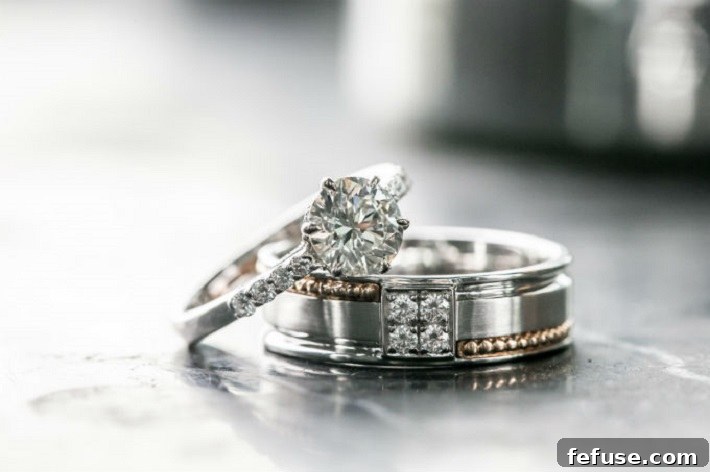
When it came to design preferences, the study noted a strong inclination towards classic pieces. Simple solitaires emerged as the main preference across all markets, reinforcing their timeless appeal and universal elegance. The solitaire diamond, often seen as the epitome of classic beauty, continues to represent enduring love and sophisticated taste, making it a perennial favorite for engagement rings and other significant gifts.
However, the report also identified an intriguing subset of consumers who are venturing beyond traditional designs. This group, predominantly comprising individuals who felt their lives were returning to normalcy and who commanded higher household incomes, expressed a greater interest in experimenting with more diverse designs and, crucially, showed increased engagement with specific diamond jewelry brands. This indicates a growing segment of sophisticated buyers who value unique designs, brand storytelling, and perhaps ethical sourcing or bespoke options, showcasing a maturing market that appreciates innovation alongside tradition.
Consumer Sentiment: A Regional Comparison
Consumer sentiment, a vital indicator of spending confidence, varied across the surveyed markets, though overall trends suggested improvement.
China: Leading the Way in Confidence
Chinese consumer sentiment notably outpaced that of other markets. A significant 85 percent of respondents in China reported feeling settled into a new and familiar routine, while 24 percent felt fully reconnected to their life and previous routine. This high level of confidence is likely attributable to the country’s economic stability and effective management strategies, allowing consumers to feel more secure in their financial outlook and, consequently, more comfortable making luxury purchases.
US and India: Improving Confidence on the Horizon
While confidence levels in the US and India lagged behind China, the trend was unequivocally positive. The majority of respondents in both these markets expressed a belief that they were steadily moving towards settling into a new routine. This gradual improvement in sentiment suggests a cautious but optimistic outlook, with consumers adapting to new circumstances and regaining a sense of stability, which bodes well for future luxury spending.
Implications and Future Outlook for the Diamond Industry
The insights gleaned from De Beers’ latest report paint an encouraging picture for the global diamond jewelry market. The strong purchase intent across major economies, coupled with evolving consumer preferences, highlights several key opportunities and strategic imperatives for the industry.
For retailers, the data underscores the necessity of diversified marketing strategies. This includes emphasizing both the classic appeal of solitaires for traditional buyers and showcasing innovative designs and strong brand narratives for more adventurous, higher-income consumers. The rise of self-purchase among women also necessitates tailored campaigns that celebrate personal milestones and individuality.
Furthermore, the critical role of repeat customers means that investment in loyalty programs, exceptional customer service, and sophisticated CRM systems is no longer optional but essential. Brands that can effectively nurture their existing client base will unlock significant long-term value.
The robust sentiment in China, along with improving confidence in the US and India, suggests that despite lingering global challenges, the fundamental desire for diamond jewelry remains deeply ingrained. As economies stabilize and consumer routines solidify, the demand for these precious symbols is expected to persist, driving continued growth and innovation within the luxury diamond market.