
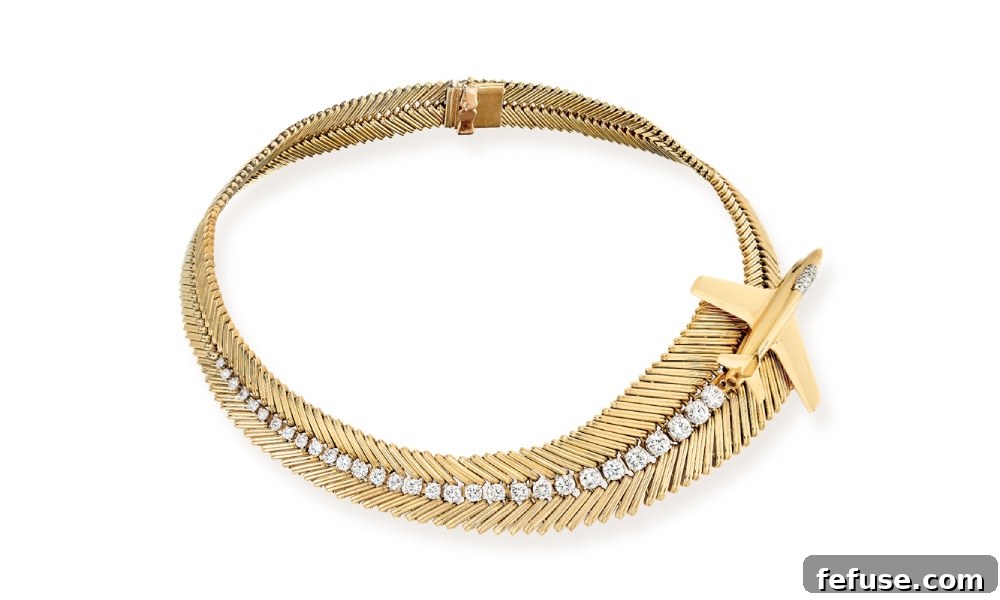
Richemont’s Resilient Q1 Performance: Jewellery Maisons Shine Bright Amidst Dynamic Luxury Landscape
Richemont, the Swiss luxury goods conglomerate renowned for its prestigious portfolio of Jewellery Maisons, watchmakers, and fashion houses, has once again demonstrated its formidable strength in the global luxury market. The group reported a resilient performance for the first quarter ending 30 June 2025, achieving group-wide sales of €5.4 billion, marking a solid 3% increase year-on-year. This robust start to the fiscal year underscores Richemont’s strategic positioning and the enduring appeal of its iconic brands to discerning consumers worldwide. Despite a continuously evolving macroeconomic environment, the luxury giant navigated market complexities with remarkable agility, leveraging its strong brand equity and targeted retail strategies to deliver consistent growth.
At the forefront of this impressive growth trajectory were Richemont’s illustrious Jewellery Maisons. These powerhouses of high jewellery and luxury timepieces—including the globally celebrated names of Cartier, Van Cleef & Arpels, Buccellati, and Vhernier—were the primary catalysts for the group’s success. The segment collectively delivered an outstanding 7% increase in revenue, reaching an impressive €3.9 billion. This exceptional performance is not an isolated incident; it signifies the third straight quarter of strong, double-digit momentum for the Jewellery Maisons, highlighting their unwavering demand and their critical role as the bedrock of Richemont’s financial stability and growth aspirations.
Jewellery Maisons: Pillars of Enduring Luxury and Craftsmanship
The stellar performance of the Jewellery Maisons is a testament to the timeless allure and unparalleled craftsmanship embedded in each brand. Cartier, with its rich heritage and iconic collections such as the Panthère, Love, and Juste un Clou, continues to captivate a global clientele seeking elegance and statement pieces. Its ability to innovate while preserving its classic identity ensures a constant flow of demand. Similarly, Van Cleef & Arpels enthralls with its poetic approach to jewellery, epitomized by its Alhambra and Frivole collections, appealing to those who appreciate intricate designs and a blend of artistry and storytelling. These Maisons are not merely selling products; they are offering pieces of history, artistry, and emotional connection, which are increasingly valued by luxury consumers.
The contributions of Buccellati, known for its exquisite Italian craftsmanship and unique textural goldwork, and Vhernier, celebrated for its bold, sculptural designs and use of unconventional materials, further diversified and strengthened the segment’s appeal. Their distinct identities cater to different facets of the high-end jewellery market, collectively creating a comprehensive and highly desirable portfolio. The consistent double-digit growth demonstrates that investments in brand heritage, innovative design, and exclusive client experiences are yielding significant returns, solidifying the Maisons’ positions as undisputed leaders in the fine jewellery sector.
Global Demand Fuels Broad-Based Growth
The engine of growth for Richemont’s leading brands was profoundly fueled by an invigorated demand spanning both their exquisite jewellery and sophisticated timepiece collections. Consumers across key global regions displayed a pronounced appetite for luxury, seeking out pieces that embody both aspirational value and lasting quality. This widespread demand signifies a healthy underlying interest in high-end goods, driven by factors such as wealth creation, celebratory purchases, and a desire for investment pieces that transcend fleeting trends. Richemont’s strategic focus on crafting iconic designs and ensuring exceptional quality continues to resonate deeply with its global customer base.
Broad-based gains were notably reported in several vital markets, showcasing the group’s diversified geographical strength. Europe, the Americas, and the Middle East & Africa regions emerged as significant contributors to the positive results. In Europe, a resurgence in tourism coupled with resilient local demand provided a fertile ground for luxury sales. The Americas continued its strong performance, reflecting robust consumer confidence and a sustained interest in luxury items across various demographics. The Middle East & Africa region consistently demonstrated a growing appetite for high-end jewellery and watches, driven by economic diversification and an expanding affluent consumer base. These regions collectively underscored the enduring global appeal and market penetration of Richemont’s brands.
Challenges in the Japanese Market
In contrast to the widespread growth, Japan experienced a dip in sales during the first quarter. This decline is primarily attributed to two significant factors. Firstly, an unfavorable currency environment, specifically the weakening of the Japanese Yen against major currencies, made luxury imports more expensive for local consumers. This currency headwind impacted purchasing power and shifted consumer spending patterns. Secondly, the market faced a tough comparison with last year’s exceptional figures. The previous year had witnessed a post-pandemic surge in domestic luxury consumption, amplified by a strong inbound tourism recovery. Measuring against such a high baseline naturally presented a challenge for year-on-year growth this quarter, despite underlying local market resilience.
Strategic Distribution Channels: Retail Dominance and Digital Evolution
Richemont’s strategic approach to distribution continued to emphasize direct-to-consumer engagement, with its retail network asserting its dominance. Accounting for a substantial 69% of total revenue, the retail channel remains the cornerstone of the group’s sales strategy. This strong preference for retail underscores the importance of the immersive brand experience that luxury Maisons provide. Flagship boutiques offer an unparalleled environment for clients to interact with products, appreciate craftsmanship, and receive personalized service, which is crucial for high-value purchases. The ability to control the customer journey, from initial engagement to after-sales service, through owned boutiques, is a significant competitive advantage for Richemont.
While retail led the way, wholesale and online channels also contributed meaningfully to the overall revenue. The wholesale segment, comprising authorized dealers and multi-brand luxury retailers, plays a vital role in extending market reach and catering to specific regional preferences. Meanwhile, Richemont’s investments in its online presence, including brand e-commerce platforms and its ownership of Yoox Net-a-Porter Group, demonstrate a forward-looking commitment to digital transformation. These online channels offer convenience and accessibility, appealing to a growing segment of tech-savvy luxury consumers who increasingly blend online research with in-store purchases.
Notably, the Jewellery Maisons were the standout performers across all sales avenues. Their robust demand was evident whether customers chose to purchase through exclusive boutiques, select wholesale partners, or burgeoning online platforms. This omnichannel strength reflects the profound desirability of their collections and the effectiveness of their integrated marketing and sales strategies. It highlights how these brands successfully adapt their client engagement across various touchpoints while maintaining their aura of exclusivity and luxury.
Broader Luxury Market Context and Strategic Outlook
Richemont’s Q1 performance must also be viewed within the broader context of the global luxury market, which is experiencing both dynamism and evolving challenges. Inflationary pressures, geopolitical uncertainties, and shifts in consumer spending habits continue to influence the landscape. Despite these headwinds, the high-end luxury segment often demonstrates greater resilience due to the purchasing power of its core clientele. Richemont’s results affirm this trend, suggesting that true luxury brands with strong heritage and perceived value are better positioned to weather economic fluctuations.
Looking ahead, Richemont is poised to continue its strategic focus on reinforcing its core Jewellery Maisons, enhancing its direct-to-consumer retail footprint, and further integrating its digital capabilities. Investments in sustainable practices and ethical sourcing are also becoming increasingly important for luxury brands, aligning with evolving consumer values. By consistently delivering exceptional products and experiences, Richemont aims to cement its leadership position in the luxury sector and capitalize on opportunities for sustainable long-term growth. The strong Q1 showing, particularly from its Jewellery Maisons, provides a solid foundation for the remainder of the fiscal year, signaling continued strength and adaptability in a complex global market.