
Diamonds, often hailed as symbols of enduring beauty and wealth, originate from some of the most intricate and vast mining operations on Earth. These precious stones fuel a multi-billion dollar industry, supporting economies and livelihoods across the globe. Understanding the source of these magnificent gems provides crucial insight into the global mineral landscape and the complex dynamics of the diamond market. The prowess of various nations and mining companies in extracting these valuable resources determines their standing in this highly competitive sector. This article delves into the leading diamond mines worldwide, examining their production figures, estimated values, and the significant roles they play in shaping the international diamond trade, with a particular focus on the statistics from the first three quarters of 2022.
Botswana: A Beacon of Diamond Mining Excellence
Botswana has long been recognized as a powerhouse in the global diamond industry, a reputation solidified by its consistently high-yield and high-value mines. The nation’s strategic partnership with De Beers has transformed its economic landscape, positioning it as a pivotal player. This collaborative approach, embodied by the Debswana Diamond Company, ensures that the wealth generated from these natural resources significantly contributes to the country’s development and prosperity. Botswana’s commitment to responsible mining practices and beneficiation has set a benchmark for other diamond-producing nations, highlighting how careful management can turn geological fortune into sustainable national growth.
Jwaneng Mine: The Crown Jewel of Global Diamond Production
Undoubtedly, the Jwaneng mine stands as the undisputed leader among the world’s diamond producers. Located in the Southern District of Botswana, Jwaneng consistently ranks as the richest diamond mine both in terms of carat production and overall value. For the first three quarters of 2022, Jwaneng recorded an astounding 10.3 million carats, a testament to its operational efficiency and vast reserves. This incredible output underscores its critical importance to the global supply chain of rough diamonds. Operated by Debswana, a 50/50 joint venture between the Government of Botswana and De Beers, Jwaneng is renowned for its cutting-edge technology, stringent safety standards, and environmental stewardship. Its production is not just about quantity; Jwaneng is also known for yielding high-quality, gem-grade diamonds, which significantly contribute to its immense monetary value. Based on historical annualized prices of $121.5 per carat, Jwaneng’s estimated value reached an impressive $1.25 billion, solidifying its position as the most valuable diamond mine globally.
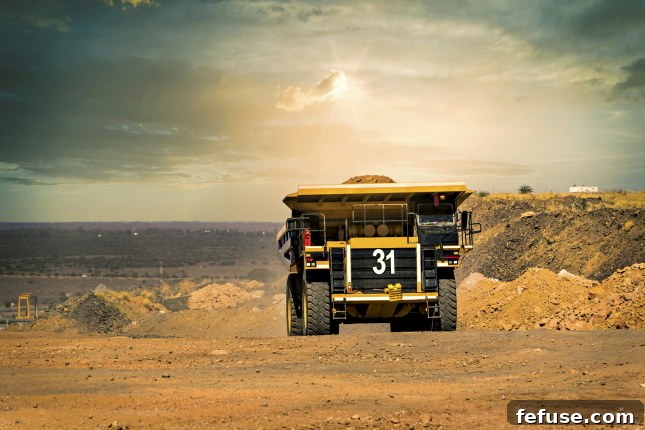
The mine’s operations are a marvel of modern engineering, involving massive earth-moving equipment and sophisticated processing plants designed to recover diamonds efficiently. Beyond its direct mining activities, Jwaneng has a profound socio-economic impact on Botswana, providing significant employment opportunities, infrastructure development, and funding for national development programs. It exemplifies how large-scale resource extraction, when managed ethically and strategically, can serve as a powerful engine for national advancement and poverty alleviation.
Orapa Mine: Botswana’s “Super-Pit” and a Consistent Performer
Closely following Jwaneng in significance is the Orapa mine, also situated in Botswana. As the second-largest diamond mine globally by carats, Orapa produced an impressive 8.0 million carats during the first three quarters of 2022. Often referred to as the “Super-pit,” Orapa is one of the world’s largest open-pit diamond mines, recognized for its vast scale and long operational history. Like Jwaneng, Orapa is operated by Debswana, reinforcing the success of this unique partnership model. The mine’s consistent production of a wide range of diamonds, from industrial quality to high-end gem stones, contributes significantly to Botswana’s national wealth.
The estimated value of Orapa’s production, calculated using the same average historic annualized price of $121.5 per carat, stood at a substantial $976 million. This places Orapa as the second most valuable diamond mine, further emphasizing Botswana’s unparalleled dominance in both the volume and value aspects of diamond extraction. Orapa’s operations are characterized by continuous innovation in mining techniques and a strong focus on sustainability, ensuring its long-term viability and positive impact on local communities and the environment. The mine’s legacy is intertwined with Botswana’s journey towards economic independence and prosperity.
Debswana: A Model for Sustainable Resource Management
The success stories of Jwaneng and Orapa are inseparable from the operational excellence and strategic vision of Debswana Diamond Company. This pioneering 50/50 joint venture between the Government of Botswana and De Beers stands as a global example of a successful public-private partnership in resource management. Since its inception, Debswana has been instrumental not only in diamond production but also in driving Botswana’s economic growth, transforming it from one of the world’s poorest nations into a middle-income country. The company’s commitment extends beyond mining, encompassing extensive social investments in healthcare, education, and infrastructure development across the country. Through its robust governance and community engagement programs, Debswana demonstrates how the responsible extraction of natural resources can lead to broad-based societal benefits and foster long-term sustainable development.
Global Diamond Landscape: Other Major Players
While Botswana leads the charge, other nations and mining entities significantly contribute to the global diamond supply, each facing unique operational and geopolitical challenges. The landscape of diamond mining is diverse, with major operations spanning across various continents and geological formations, each playing a crucial role in meeting the world’s demand for both industrial and gem-quality diamonds.
Russia: Alrosa’s Dominance with Udachny and Nyurba
Russia holds a prominent position in the global diamond industry, primarily through ALROSA, the world’s largest diamond mining company by volume. ALROSA operates several significant mines across the Siberian region, known for its harsh climate and challenging mining conditions. These operations are vital for maintaining a consistent supply of rough diamonds to the international market, though recent geopolitical events have introduced complexities.
Udachny Mine: A Significant Russian Producer
The Udachny mine, operated by ALROSA, ranks as the third-largest diamond producer on this list. With a figure of 4.6 million carats, its production is based on 2021 data, assuming a continuation of trends observed since 2019. This massive open-pit mine, one of the deepest in the world, is located in the Sakha Republic (Yakutia) in Russia. Udachny is known for its substantial output of diamonds, contributing significantly to ALROSA’s overall production capacity. The mine’s remote location and the extreme Siberian climate present considerable logistical and operational challenges, overcome by advanced mining techniques and dedicated infrastructure. Despite these hurdles, Udachny remains a cornerstone of Russia’s diamond mining prowess, reflecting ALROSA’s ability to operate successfully in demanding environments.
Nyurba Mine: Another Key ALROSA Asset
Further solidifying Russia’s position is the Nyurba mine, also managed by ALROSA. This mine secured the fifth spot among the world’s top producers, yielding 3.6 million carats. Similar to Udachny, this figure is an estimate based on its 2021 production and assumed ongoing trends since 2019. Nyurba is a relatively younger mine compared to some of its counterparts, yet it has quickly established itself as a reliable source of high-quality diamonds. Its operations contribute significantly to ALROSA’s diverse portfolio and reinforce Russia’s standing as a major global supplier of rough diamonds. The continuous exploration and development in regions like Yakutia ensure Russia’s sustained influence in the diamond sector, even amidst evolving global market dynamics and sanction-related pressures.
South Africa: The Enduring Legacy of Venetia Mine
South Africa, a nation with a rich and storied history in diamond mining, continues to be a vital player through mines like Venetia. Operated by De Beers, the Venetia mine, located in the Limpopo Province, holds the fourth position globally with a production of 4.6 million carats. Venetia stands as South Africa’s largest diamond mine and represents a significant portion of the country’s mineral output. Originally an open-pit operation, Venetia has undergone a monumental transition to an underground mine, extending its operational life for several decades. This transition highlights the continuous investment and technological advancements required to sustain production from maturing assets.
The mine not only contributes substantially to the global supply of rough diamonds but also plays a crucial role in the socio-economic fabric of its surrounding communities. De Beers’ operations at Venetia, much like Debswana, emphasize safety, environmental protection, and community development. South Africa’s historical importance in the discovery of diamonds laid the foundation for the modern diamond industry, and mines like Venetia continue to uphold this legacy, adapting to new challenges and opportunities in the 21st century.
Understanding Diamond Value and Market Dynamics
It is crucial to distinguish between carat production and monetary value in the diamond industry. While high carat numbers indicate significant volume, the actual market value is determined by a myriad of factors, often summarized by the “4 Cs”: Carat (weight), Cut (proportion and finish), Color (absence of tint), and Clarity (absence of inclusions). Gem-quality diamonds, even if smaller in weight, command significantly higher prices per carat compared to industrial-grade diamonds. The valuation of Jwaneng and Orapa at an average historic annualized price of $121.5 per carat underscores their consistent ability to produce high-quality, desirable rough diamonds that fetch premium prices in the market.
The global diamond market is also influenced by consumer demand, fashion trends, economic stability, and ethical sourcing concerns. The increasing emphasis on responsible mining practices, traceability, and sustainability by consumers and industry stakeholders alike is shaping future operational strategies. Companies like Debswana and De Beers are at the forefront of these efforts, ensuring that the journey of a diamond from mine to market is transparent and ethical. The rough diamond market, supplied by these major mines, feeds into a complex network of cutters, polishers, and distributors before reaching the end consumer, making the initial production figures a critical indicator of the industry’s health.
The Future Landscape of Diamond Mining
The diamond mining industry is constantly evolving, driven by technological innovations aimed at improving efficiency, safety, and environmental performance. Advancements in geological exploration continue to identify new kimberlite pipes, while robotic and automated mining techniques are enhancing productivity in existing operations. Furthermore, the industry is grappling with the growing imperative for sustainable and ethical sourcing. Responsible mining initiatives, community benefit agreements, and stringent environmental regulations are becoming standard practices, ensuring that the extraction of diamonds benefits local populations and minimizes ecological footprints. The demand for “conflict-free” diamonds, guaranteed through certification schemes like the Kimberley Process, continues to shape consumer confidence and supply chain integrity. As these leading mines continue their operations, their strategic decisions regarding sustainability, innovation, and market adaptation will largely define the future trajectory of the global diamond industry.
Conclusion: Shaping the Global Diamond Narrative
The snapshot of diamond production for the first three quarters of 2022 vividly illustrates the concentrated power within the global diamond mining sector. Botswana, through the exceptional performance of its Jwaneng and Orapa mines, alongside the exemplary partnership of Debswana, firmly establishes itself as the undisputed leader in both carats produced and total value generated. These operations are not merely mines; they are economic engines and symbols of successful resource management. Russia, with ALROSA’s robust operations at Udachny and Nyurba, and South Africa, sustained by De Beers’ Venetia mine, continue to play indispensable roles, contributing significantly to the diversity and volume of the world’s diamond supply. As the industry moves forward, adapting to technological advancements, market fluctuations, and increasing demands for ethical sourcing, the prominence of these top mines will continue to define and shape the narrative of global diamond production for years to come. Their combined output underscores the enduring allure of diamonds and the monumental efforts required to bring these treasures from the Earth’s depths to the global market.