
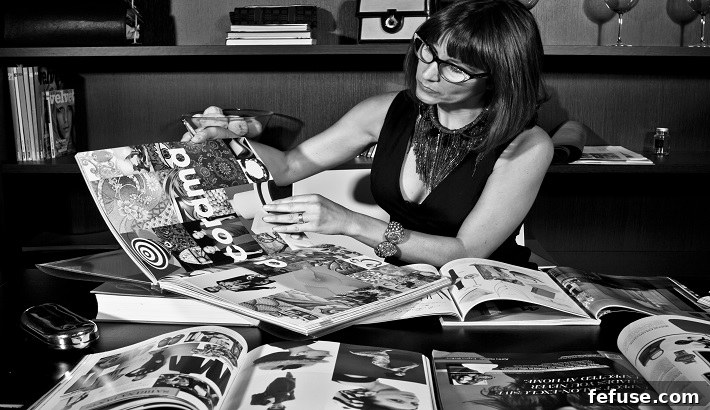
The Gem and Jewellery Export Promotion Council (GJEPC), a pioneering organization dedicated to fostering the growth and development of India’s illustrious gem and jewellery sector, recently hosted the highly anticipated second module of its exclusive Design Workshop. This significant event was expertly led by the globally renowned jewellery forecaster, Paola De Luca, whose insights are eagerly sought after across the international luxury market. Conducted over two intensive days on October 10th and 11th at the prestigious Bharat Diamond Bourse in Mumbai, the workshop attracted a diverse group of industry professionals keen to embrace modern strategies for market success.
The overarching theme of this pivotal workshop was “Stories and Storytelling with a Key Focus on Curating and Merchandising in the Digital Era.” This forward-thinking theme underscored the critical shift in consumer behavior and market dynamics, emphasizing the need for the Indian jewellery industry to evolve beyond traditional manufacturing prowess. Attendees, comprising a mix of seasoned jewellery manufacturers, innovative retailers, and emerging jewellery designers, engaged deeply with the content, absorbing invaluable perspectives from Paola De Luca, widely recognized as a leading influencer in the global jewellery landscape.
Unlocking India’s Jewellery Potential: Paola De Luca’s Vision for Growth
Paola De Luca, intimately familiar with the intricate nuances of the Indian jewellery industry, commenced the workshop by acknowledging and celebrating India’s extraordinary strengths. She lauded the nation’s unparalleled manufacturing techniques, particularly highlighting the exquisite artistry involved in crafting ‘jadau’ and ‘enameled’ pieces. These traditional Indian crafts, characterized by their meticulous detail, vibrant colors, and rich cultural heritage, are indeed world-class and represent the pinnacle of artisanal skill. India’s legacy in jewellery making is ancient and profound, with techniques passed down through generations, resulting in pieces that are not merely ornaments but genuine works of art, highly coveted across the globe.
However, with her characteristic candor and strategic vision, Paola swiftly identified areas ripe for improvement. She pointed out that despite its manufacturing excellence, the Indian jewellery industry significantly lags in product merchandising. Furthermore, she characterized the sector as notably fragmented, an observation that resonates with many industry veterans. This fragmentation often leads to a lack of cohesive market strategy, inconsistent brand messaging, and an inability to present a unified, compelling front to international buyers and discerning local consumers alike. The absence of sophisticated merchandising limits the ability of these magnificent creations to reach their full market potential, often leaving them misunderstood or undervalued in competitive global markets. To truly thrive, the industry must bridge the gap between its exceptional craftsmanship and its market presentation.
The Quantity vs. Quality Dilemma: A Call for Strategic Inventory Management
Delving deeper into the challenges, Paola articulated a common frustration echoed by international buyers. “International buyers often express a desire to view a vast array of products from Indian retailers,” she explained, “yet, they consistently end up selecting only limited quantities.” This seemingly paradoxical behavior creates significant operational hurdles for wholesalers and manufacturers within India. To meet this perceived demand for variety, wholesalers are often compelled to maintain enormous inventories, necessitating considerable capital investment. This practice, Paola argued, is fundamentally unsustainable and inefficient for long-term growth and profitability.
Her powerful statement, “Quantity is not quality,” served as a foundational principle for the entire module. Paola emphasized that a sprawling inventory, while offering breadth, often dilutes the perceived value of individual pieces and can obscure truly exceptional designs. It leads to inefficient capital allocation, increased carrying costs, higher risk of obsolescence, and a cluttered display that can overwhelm potential buyers rather than entice them. This principle challenges the traditional Indian wholesale model, urging a shift towards a more focused, curated approach that prioritizes impact and distinction over sheer volume. The aim is to move from a “see everything” approach to a “see the best” approach, ensuring that every piece presented tells a compelling story and justifies its presence in a thoughtfully assembled collection. This strategic shift is crucial for enhancing the industry’s competitiveness and profitability.
The Art of Curation: Elevating the Jewellery Shopping Experience
In response to these challenges, Paola introduced and elaborated on the concept of ‘curation’ as one of the most vital strategies for the modern jewellery industry. Curation, she explained, is far more than mere selection; it’s about thoughtful, intentional organization and presentation that adds context, value, and a unique narrative. It has emerged as one of the newest and most impactful catchphrases across various luxury sectors, and its application in jewellery is transformative. A curator offers unparalleled expertise to the client, drawing from their deep experience, aesthetic sensibility, and understanding of market trends. They don’t just sell products; they offer a guided journey of discovery.
Crucially, Paola clarified that in jewellery curation, the individual undertaking the role of curator need not necessarily be a jewellery designer or manufacturer. While a background in design or production can be advantageous, the primary requirement for a curator is a unique aesthetic experience, a discerning eye, and the ability to articulate a compelling vision. This unique blend of skills allows them to bring varied and fresh perspectives to the table, challenging conventional wisdom and creating innovative collections. They act as expert guides, helping clients navigate a vast market and discover pieces that resonate deeply with their personal style and story. This shift empowers individuals with a strong aesthetic sense to contribute significantly to the industry, moving beyond traditional roles and fostering a new breed of tastemakers.
From Concept to Collection: The Retailer’s New Approach to Merchandising
The workshop highlighted how many forward-thinking retailers are already embracing this curated approach. Rather than purchasing jewellery haphazardly from numerous manufacturers based solely on individual piece appeal, these retailers are adopting a more strategic, concept-driven method. They begin by creating ‘mood boards’ or defining specific thematic collections centered around a singular idea, concept, or inspiration. This could be anything from a particular color palette, a historical era, a natural element, an abstract emotion, or even a specific lifestyle.
Once the central concept is established, retailers meticulously select pieces that align perfectly with the chosen narrative. This process ensures that every item within a collection contributes to a cohesive story, enhancing its overall appeal and making the selection process more engaging and less overwhelming for the end-consumer. Such curated collections offer a stronger brand identity, a clearer value proposition, and a more memorable shopping experience. This method not only optimizes inventory but also transforms the retail space into a narrative journey, where each piece is presented within a meaningful context. It allows retailers to build unique brand propositions and stand out in a crowded market, moving away from being mere stockists to becoming storytellers and tastemakers. This approach fosters deeper customer connections and higher perceived value.
The Digital Era: Amplifying Curated Stories and Global Reach
The emphasis on “the Digital Era” within the workshop’s theme is particularly pertinent. In today’s interconnected world, digital platforms serve as crucial conduits for storytelling and merchandising. A well-curated collection, imbued with a distinct narrative, translates exceptionally well to online channels. High-quality imagery, engaging video content, and compelling written descriptions can bring these stories to life for a global audience, transcending geographical boundaries. Social media platforms, sophisticated e-commerce websites, and targeted digital marketing campaigns become powerful tools to showcase curated collections, reaching consumers who are increasingly seeking authenticity and unique, personalized experiences.
Digital merchandising allows for interactive storytelling, virtual try-ons, and personalized recommendations, all of which significantly enhance the customer journey from initial interest to final purchase. Furthermore, the digital realm provides unparalleled opportunities for data collection and analysis, allowing retailers to understand consumer preferences with greater precision and refine their curation strategies over time. This synergy between thoughtful curation and intelligent digital amplification is not just an advantage, but an essential component for the Indian jewellery industry to thrive in international markets, where online presence and sophisticated presentation are non-negotiable standards for success.
Interactive Learning: Fostering Innovation and Collaborative Growth
A hallmark of Paola De Luca’s workshops is their highly interactive nature, and this module was no exception. The session fostered a dynamic environment where the audience was actively encouraged to participate. Attendees seized the opportunity to ask insightful questions, share their personal experiences, and recount interesting anecdotes from their journeys within the jewellery industry. This open dialogue created a rich learning ecosystem, allowing participants to gain diverse perspectives, validate their own challenges, and collectively explore innovative solutions. Such engagement is crucial for practical application, as it bridges theoretical concepts with real-world scenarios, making the learning more impactful and resonant.
The sharing of experiences, both successes and challenges, created a sense of community and collaborative problem-solving among the participants. It underlined the fact that while India’s jewellery industry possesses immense talent and heritage, its future success hinges on embracing modern business practices and a global outlook. The workshop facilitated not just knowledge transfer, but also the forging of connections and the generation of new ideas, positioning the attendees to be catalysts for change within their respective organizations. This collaborative spirit is fundamental to addressing industry-wide challenges and collectively elevating India’s position in the global jewellery market.
GJEPC’s Commitment to Industry Advancement and Global Competitiveness
The GJEPC’s initiative to host such a cutting-edge design workshop underscores its unwavering commitment to elevating the Indian gem and jewellery sector onto the global stage. By consistently bringing international experts like Paola De Luca to India, the council provides invaluable opportunities for local manufacturers, retailers, and designers to acquire critical skills and insights necessary to compete effectively in a rapidly evolving market. These workshops are vital for fostering innovation, encouraging strategic thinking, and promoting a culture of continuous improvement within the industry, ensuring that India remains at the forefront of jewellery design and craftsmanship.
The insights gained from this module, particularly regarding the power of storytelling, strategic curation, and sophisticated digital merchandising, are indispensable for Indian businesses looking to enhance their brand presence, optimize their inventories, and captivate an international clientele. As the industry continues to navigate a complex global landscape, GJEPC’s proactive approach in organizing such educational platforms remains crucial for nurturing talent, driving export growth, and ensuring India maintains its prestigious position as a leading global hub for exquisite jewellery. These efforts are instrumental in shaping a vibrant, competitive, and globally recognized Indian jewellery sector.
Source: Diamondworld