
Valentine’s Day Spending Surges: A Deep Dive into US Consumer Trends and Forecasts
As the season of love approaches, American consumers are once again preparing to open their wallets generously to celebrate Valentine’s Day. The National Retail Federation (NRF) forecasts a significant surge in spending, with billions of dollars poised to be spent on gifts, experiences, and tokens of affection. This year’s projections not only highlight a robust increase in overall spending but also reveal fascinating insights into evolving consumer preferences, popular gift categories, and demographic spending patterns.
A Look at the Numbers: Record-Breaking Valentine’s Day Spending in the US
According to the NRF’s highly anticipated annual survey, conducted by Prosper Insights & Analytics, American consumers are expected to collectively spend a staggering $19.6 billion on Valentine’s Day this year. This impressive figure marks a substantial increase from the $18.2 billion recorded last year, underscoring a strong rebound in consumer confidence and a heightened willingness to celebrate the holiday meaningfully.
Delving deeper into individual spending, the survey, which gathered responses from 7,277 consumers in January, indicates an average outlay of $143.56 per person. This is a noticeable rise from last year’s average of $136.57. These robust total and per-person spending estimates rank as the second-highest in the survey’s 15-year history. They are surpassed only by the record-setting year of 2016, which saw $19.7 billion in total spending and an average of $146.84 per individual. The proximity to this historical peak signals that Valentine’s Day remains a pivotal retail event, contributing significantly to the early-year economy.
The Art of Gifting: Popular Categories and Emerging Preferences
The landscape of Valentine’s Day gifting is diverse, reflecting a blend of timeless traditions and modern desires. The NRF’s data provides a detailed breakdown of where these billions are being invested, offering valuable intelligence for both retailers strategizing their offerings and consumers seeking inspiration.
Shining Bright: The Enduring Allure of Jewelry
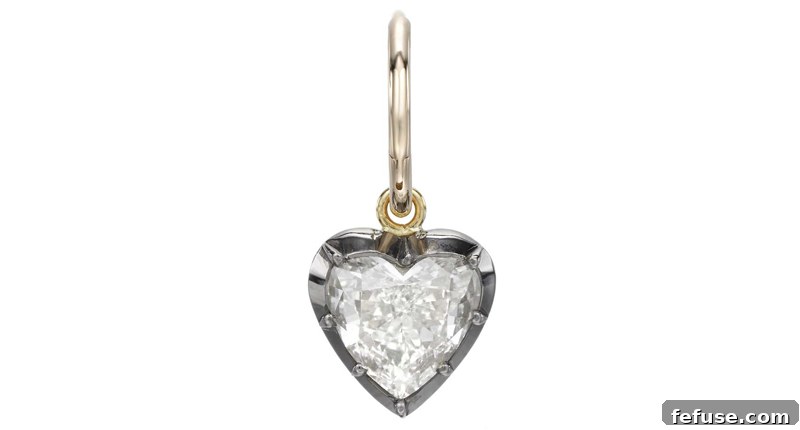
Among the myriad gift options, jewelry continues to reign supreme as a quintessential Valentine’s Day present. Consumers in the United States are projected to spend a remarkable $4.7 billion on jewelry this holiday season. This substantial investment is driven by 19 percent of survey participants who expressed their intent to gift jewelry. The appeal of jewelry lies in its profound symbolic value, often signifying commitment, everlasting love, and cherished memories. From elegant diamond necklaces and sophisticated watches to personalized charms and gemstone earrings, jewelry serves as a powerful and lasting expression of deep affection, cementing its status as a cornerstone of Valentine’s Day gifting traditions.
Classic Expressions of Love: Beyond the Sparkle
While jewelry holds a top spot, other traditional gift categories continue to capture a significant portion of Valentine’s Day spending, demonstrating their enduring popularity:
- An Evening Out: Valued at $3.7 billion, an evening out (chosen by 35 percent of consumers) symbolizes the desire for shared experiences and quality time. This can range from intimate candlelit dinners to memorable outings like theater shows or concerts, prioritizing connection over material goods.
- Flowers: A timeless gesture of romance and appreciation, flowers are expected to generate $2 billion in sales, with 36 percent of shoppers opting for vibrant bouquets and elegant floral arrangements to convey their sentiments. Red roses remain a classic, but diverse floral choices cater to varied tastes.
- Clothing: Shoppers are anticipated to spend $1.9 billion on clothing, with 17 percent choosing apparel as a gift. This reflects a desire to pamper loved ones with stylish new additions to their wardrobe, whether it’s a cozy sweater, a chic accessory, or luxurious loungewear.
- Gift Cards and Certificates: Offering ultimate flexibility and choice, gift cards and certificates will account for $1.5 billion in spending, selected by 15 percent of consumers. These provide recipients the freedom to choose exactly what they desire, making them a practical and appreciated gift.
- Greeting Cards: Despite the digital age, the tradition of exchanging physical greeting cards persists with remarkable strength. An impressive 46 percent of consumers plan to purchase one, contributing $894 million to the overall spend. A heartfelt message in a beautiful card remains a simple yet profound way to express feelings.
The Desire for Experiences: A Gifting Gap
The survey also highlighted an intriguing trend concerning experiential gifts, such as tickets to concerts, sporting events, or unique workshops. While these gifts promise lasting memories rather than tangible items, a noticeable gap exists between desire and actual gifting. A significant 42 percent of consumers expressed a wish for experiential gifts, indicating a growing preference for memorable moments over material possessions. However, only 24 percent of shoppers actually planned on giving such gifts. This disparity suggests a potential opportunity for retailers and marketers to innovate, perhaps by simplifying the purchase process for experiences or emphasizing their unique emotional value proposition to bridge this “experience gap.”
Demographic Insights: Who’s Spending on Whom?
Valentine’s Day has evolved beyond a celebration exclusively for romantic partners, now encompassing a broader spectrum of relationships. The NRF survey meticulously tracks spending across various recipient categories, providing valuable insights into how Americans distribute their affection and appreciation.
The Forefront of Spending: The 25-34 Age Group
Interestingly, the NRF identified consumers in the 25 to 34 age range as the biggest spenders this Valentine’s Day, with an impressive average outlay of $202.76. This demographic often includes young professionals, newly married couples, or those starting families, who typically possess greater disposable income and a strong inclination to celebrate special occasions meaningfully. Their elevated spending often reflects a combination of significant romantic gestures, emerging family obligations, and perhaps a desire for memorable experiences as they establish their lives.
Spreading the Love: A Detailed Look at Recipient Spending
The survey further itemized spending allocations across various relationships, underscoring the inclusive nature of contemporary Valentine’s Day celebrations:
- Significant Other or Spouse: Unsurprisingly, the largest share of spending is directed towards romantic partners, averaging $88.98 per person, totaling an estimated $12.1 billion. This category covers everything from lavish dinners and romantic getaways to significant jewelry purchases.
- Family Members (Children or Parents): Demonstrating familial affection, consumers plan to spend an average of $25.29 on family members like children or parents, contributing $3.5 billion to the overall holiday spend. This highlights the holiday’s role in reinforcing family bonds beyond romantic partnerships.
- Children’s Classmates or Teachers: A sweet gesture of appreciation, approximately $7.26 is typically spent on children’s classmates or teachers, accumulating to $991 million nationally. This category reflects a community spirit and gratitude within educational settings.
- Friends: Friends are increasingly remembered on Valentine’s Day, with an average of $7.19 spent on them, totaling $982 million. This trend signifies the growing importance of platonic relationships and “Galentine’s” or “Palentine’s” celebrations.
- Pets: Even beloved furry, scaled, or feathered family members receive a share of the affection, with an average of $5.50 spent on pets, amounting to $751 million. This unique category underscores the increasingly central role pets play in modern households.
- Co-workers: Small tokens of appreciation are extended to colleagues, with an average of $4.79 spent on co-workers, totaling $654 million. These gestures often foster a positive and appreciative workplace environment.
Where Do Americans Shop? Preferred Retail Channels
Given the diverse array of gifts and recipients, consumers strategically utilize various shopping channels to find their perfect Valentine’s Day items. The NRF survey offers a clear picture of where Americans prefer to shop, showcasing the enduring relevance of both traditional brick-and-mortar stores and the unparalleled convenience of online retail.
Key shopping destinations identified by survey takers include:
- Department Stores: Remaining a significant player, 35 percent of consumers plan to shop at department stores, drawn by their wide selection, curated collections, and often festive displays.
- Discount Stores: For value-conscious shoppers, discount stores are a popular choice, attracting 32 percent of consumers looking for affordable yet thoughtful gifts without compromising on sentiment.
- Online: The convenience and expansive selection of online shopping continue to appeal to a substantial segment, with 29 percent of shoppers making their purchases digitally from the comfort of their homes.
- Specialty Stores: Catering to unique gifting needs, specialty stores are favored by 19 percent of consumers, particularly for items like artisanal chocolates, gourmet foods, or specific types of jewelry.
- Florists: When it comes to fresh floral gifts, dedicated florists are the preferred choice for 17 percent of shoppers, ensuring quality, freshness, and expert arrangements.
- Local Small Businesses: Supporting local economies remains an important consideration, with 14 percent of consumers choosing to shop at local small businesses, often seeking personalized service and unique, handcrafted finds.
This distribution highlights a balanced and omnichannel approach, where consumers select different channels based on the type of gift, urgency, and their personal shopping preferences. For retailers, maintaining a strong presence across multiple platforms is crucial for capturing a share of this dynamic market.
Beyond Romance: Celebrating Valentine’s Day in New Ways
One of the most intriguing insights from the NRF survey is the evolving perception of Valentine’s Day itself. While historically rooted in romantic love, the holiday is increasingly embraced as an occasion for broader celebration, self-love, and appreciation for all relationships.
More than a quarter of consumers (27 percent) who do not plan to observe Valentine’s Day in a traditional romantic sense still intend to spend. Their motivations are diverse, often including treating themselves to something special, or gathering with family and friends for platonic celebrations. This trend reflects a broader cultural shift towards self-care, friendship appreciation, and inclusive family festivities, transforming Valentine’s Day into a more versatile consumer event. As Phil Rist, Executive Vice President of Strategy at Prosper Insights & Analytics, aptly observed, “Valentine’s Day has become a holiday consumers take advantage of not only to spoil their loved ones but themselves.” This sentiment perfectly encapsulates the modern interpretation of the holiday, where personal well-being and wider social connections are celebrated alongside romantic love.
Economic Implications and Opportunities for Retailers
The significant spending forecasts for Valentine’s Day underscore its critical importance as a key retail moment in the early part of the year. For businesses across various sectors, this period presents a crucial opportunity to engage consumers and boost sales. The diverse spending categories—from tangible gifts like jewelry and clothing to experiential outings and treats for beloved pets—mean that a wide array of retailers can benefit from the holiday’s economic uplift.
Retailers are well-advised to anticipate robust consumer demand and strategically offer deals and unique gift packages. As Rist further recommended, “Shoppers should look out for deals on everything from candy to date-night dinner packages in the coming days, leaving plenty of options for those looking to make the occasion truly special.” This suggests that thoughtful promotions, carefully curated gift selections, and seamless shopping experiences—whether online or in-store—will be vital for maximizing engagement during this peak period. The holiday serves as an economic barometer, reflecting consumer confidence and discretionary spending, and its continued growth is a positive indicator for the broader retail landscape.
Conclusion: A Holiday of Diverse Affection and Strong Consumer Confidence
Valentine’s Day in the United States continues its impressive trajectory as a powerful engine for consumer spending, with billions of dollars dedicated to expressing affection in myriad forms. The NRF’s latest survey highlights robust growth, nearly record-breaking financial outlays, and dynamic shifts in how and where Americans choose to celebrate this heartwarming holiday. From the enduring sparkle of jewelry to the increasing desire for memorable experiences, and from dedicated spending on romantic partners to thoughtful gestures for family, friends, and even pets, the holiday’s scope has broadened considerably.
These evolving trends not only reflect strong consumer confidence in the economy but also signal a deeper, more inclusive understanding of love and appreciation in contemporary society. For retailers, understanding these nuanced consumer behaviors and providing compelling options across various channels will be paramount to capturing a significant share of this thriving market. As Americans increasingly embrace Valentine’s Day as an occasion for diverse affection, personal indulgence, and widespread appreciation, the economic impact of this celebrated holiday is set to continue its impressive upward trajectory.