
Fostering Sustainable Fashion: Swarovski, Fashion Council Germany, and The Prince’s Foundation Unite for a Greener Future
In a landmark collaboration underscoring a shared commitment to environmental stewardship and artisanal excellence, Swarovski, the globally renowned crystal house, joined forces with the Fashion Council Germany and The Prince’s Foundation. This powerful partnership culminated in a transformative conference held at the historic Dumfries House in Scotland. More than just an event, it was a dynamic platform featuring an extensive series of workshops and insightful panel discussions, meticulously designed to disseminate invaluable craft knowledge and practical skills. The overarching objectives were clear: to champion the principles of sustainability within the fashion industry, cultivate innovative practices, and provide crucial support for the next generation of emerging fashion talent from across Europe. This initiative represents a significant step towards creating a more responsible and skilled future for the global textile and apparel sectors.
The German Scottish Sustain Conference: A Nexus for Eco-Conscious Design
At the heart of this collaborative effort was the German Scottish Sustain Conference, a pivotal event under the umbrella of the ‘German Sustain Concept’ programme, initially conceived and driven by the Fashion Council Germany. This impactful gathering brought together a vibrant community of over 120 young talents and established designers, hailing from diverse backgrounds across Scotland and Germany. The conference served as a vital forum, drawing critical attention to the indispensable role of sustainability in both fashion design and manufacturing processes. Participants were immersed in an environment rich with learning opportunities, designed to significantly broaden their understanding of the latest developments, prevailing trends, and persistent challenges within the sustainability landscape. The interactive nature of the workshops, coupled with the thought-provoking panel discussions, ensured that attendees gained not only theoretical knowledge but also practical insights into implementing sustainable solutions.
Immersive Workshops and Expert Dialogues Driving Innovation
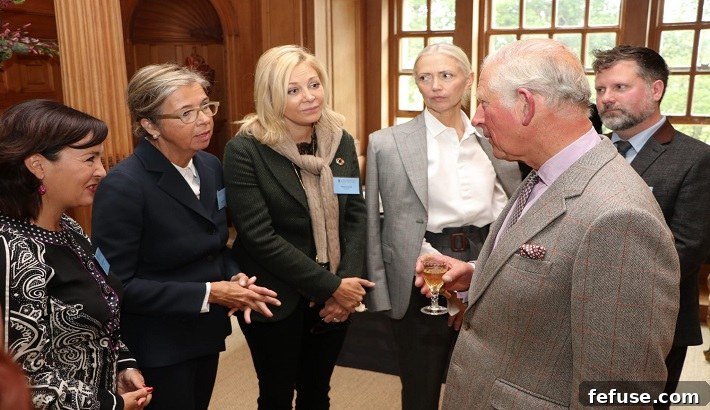
The conference curriculum was thoughtfully curated to cover a wide spectrum of essential topics, each led by preeminent experts and thought leaders in their respective fields. Attendees delved into fascinating subjects such as natural dye methods, exploring ancient techniques and their modern applications for reducing environmental impact. The discourse on heritage yarns highlighted the importance of traditional materials and sustainable sourcing, connecting past wisdom with future innovation. Advanced sessions on 3D and circular knitting showcased cutting-edge manufacturing processes aimed at minimizing waste and maximizing resource efficiency. A particularly engaging topic was the innovative use of upcycled crystals, demonstrating how luxury materials can be given a new lease on life through creative repurposing. These workshops were not merely instructional; they were interactive experiences fostering dialogue and hands-on learning, guided by luminaries like fashion critic Sarah Mower, publisher Inga Griese, President of the Fashion Council Germany Christiane Arp, designer Patrick Grant, and Nadja Swarovski from the executive board of Swarovski. The presence of such influential figures provided unparalleled mentorship and inspiration for the burgeoning talents in attendance. A special highlight for some fortunate participants was the unique opportunity to meet with HRH The Prince of Wales (now King Charles III), the esteemed president of The Prince’s Foundation, further underscoring the royal patronage and significance of the event.
The Prince’s Foundation’s Future Textiles Initiative: Revitalizing British Craftsmanship
The collaborative spirit driving the German Scottish Sustain Conference is deeply embedded within The Prince’s Foundation’s broader ‘Future Textiles’ initiative. This ambitious program, developed in partnership with Fashion Council Germany and Swarovski, is a visionary endeavour designed to breathe renewed vitality into Britain’s historically rich and globally respected textiles industry. A sector renowned for exporting its exquisite products to over 150 countries worldwide, the British textiles industry stands as a testament to unparalleled craftsmanship and innovation. Inspired directly by the forward-thinking vision of HRH The Prince of Wales, the ‘Future Textiles’ programme operates from two key locations: the picturesque Dumfries House in Scotland and the vibrant Trinity Buoy Wharf in London. It provides exceptional, expert tuition in a range of traditional textile skills that are increasingly vital in a sustainable future, including the intricate arts of sewing, weaving, and cutting. The initiative targets a diverse audience, from eager school pupils taking their first steps into the industry to adults seeking to reskill or gain meaningful employment within the textile sector. A core tenet of the program is its commitment to educating those with fewer opportunities, offering them pathways to careers that might otherwise be inaccessible. Furthermore, ‘Future Textiles’ actively seeks to find robust solutions to bridge the pervasive industry skills gap, a critical challenge that has emerged over decades of underinvestment in vocational training and craft education. By focusing on both heritage skills and modern sustainable practices, the initiative is not only preserving invaluable traditions but also forging a path for a resilient, skilled, and environmentally conscious textile workforce for generations to come.
Voices of Leadership: Perspectives on a Sustainable Future
The profound importance of this collaboration and its commitment to sustainability was eloquently articulated by key figures from the partner organizations.
Christiane Arp on Nurturing Emerging Talent
Christiane Arp, the distinguished President of the Fashion Council Germany and Editor-in-Chief of German Vogue, shared her insightful observations: “Fashion designers who want to start their own business today are no longer asking themselves about sustainability issues. Of course, they think of natural materials, environmentally friendly production, and fair production conditions. But the implementation is still not easy.” Her statement highlights a crucial shift in the mindset of new designers, where sustainability is no longer an option but a foundational principle. However, Arp also underscored the significant hurdles in translating these noble intentions into tangible, commercially viable practices. She emphasized, “That is why these fashion talents need support. Dumfries House is home to several craft businesses and schools that provide education for young people and economically revitalise an entire region. Our trip to the estate was for exchanging ideas, networking, and mutual inspiration – over the long term, so truly sustainable.” Arp’s words powerfully convey the necessity of collaborative ecosystems, where emerging designers can access mentorship, resources, and a network that fosters sustainable growth and regional economic regeneration.
Ashleigh Douglas on Bridging the Skills Gap
Ashleigh Douglas, the dedicated manager of The Prince’s Foundation’s Future Textiles initiative, passionately articulated the critical need for education in shaping a sustainable textile industry: “In order to ensure that design and production of clothing and textiles has a sustainable future in the UK, it’s vital that time and effort is put into educating young designers and consumers on sustainable fabrics and processes.” Her perspective emphasizes a holistic approach, recognizing that both creators and consumers play pivotal roles in driving sustainable change. Douglas further elaborated on the Foundation’s mission: “At The Prince’s Foundation, we strive to help the industry by inspiring people of all ages to consider careers in textiles by providing them with expert training and links to industry. Sustainability is at the heart of everything we do, so we are proud to have partnered with Fashion Council Germany and Swarovski to host The German Scottish Sustain Conference at Dumfries House.” Her comments reinforce the Foundation’s unwavering commitment to sustainability, positioning it as the core tenet of their educational and vocational programs aimed at revitalizing the textile sector and empowering individuals.
Nadja Swarovski on Innovation and Responsible Sourcing
Nadja Swarovski, a prominent member of the Executive Board of Swarovski and a steering committee member of the Fashion Council Germany, offered a perspective rooted in the company’s rich heritage and forward-looking vision. She stated: “As a company with 125 years of history, driven by innovation, creative collaboration, and responsible business practices, we are delighted to support talented, aspiring, and sustainability-minded designers and provide them with upcycled Swarovski crystals, thus repurposing them so they can create new sparkling designs.” This statement highlights Swarovski’s enduring legacy of innovation and its proactive stance on responsible sourcing and circularity. By supplying upcycled crystals, the company not only contributes a tangible resource but also inspires a creative approach to waste reduction. Nadja Swarovski concluded, “Design can drive sustainable development and cultural change, and we look forward to leveraging the intelligent use of existing resources through our collaboration with Fashion Council Germany.” Her words underscore the transformative power of design as a catalyst for environmental and societal progress, emphasizing the strategic importance of repurposing and intelligent resource management in shaping the future of fashion.
Cultivating a Legacy of Sustainable Innovation and Craft
The German Scottish Sustain Conference at Dumfries House transcended a mere event; it represented a powerful convergence of vision, expertise, and resources aimed at cultivating a lasting legacy of sustainable innovation and revered craftsmanship. By bringing together industry leaders, emerging talents, and institutions dedicated to education and cultural preservation, the collaboration among Swarovski, Fashion Council Germany, and The Prince’s Foundation demonstrated a holistic approach to addressing some of the most pressing challenges facing the modern fashion industry. From the intricate techniques of natural dyeing to the forward-thinking principles of circular knitting and the creative potential of upcycled materials, the conference offered a comprehensive exploration of pathways towards a more responsible and resource-efficient future. This initiative served as a powerful reminder that true sustainability in fashion extends beyond material choices; it encompasses ethical production, skill development, economic revitalization of communities, and a profound respect for the planet’s finite resources. The exchange of ideas, the formation of new networks, and the shared inspiration fostered at Dumfries House are expected to ripple through the careers of the participating designers, influencing their practices and contributing to a broader paradigm shift in the industry.
Conclusion: A Blueprint for the Future of Fashion
In conclusion, the partnership between Swarovski, Fashion Council Germany, and The Prince’s Foundation, manifested through the German Scottish Sustain Conference, has set a new benchmark for collaborative action within the fashion ecosystem. It stands as a compelling blueprint for how leading organizations can pool their unique strengths to educate, inspire, and empower the next generation of designers and manufacturers. By championing traditional skills while simultaneously embracing cutting-edge sustainable innovations, this initiative provides a clear pathway towards a textile and fashion industry that is not only economically vibrant but also environmentally conscious and socially responsible. The profound impact of this collaboration will undoubtedly resonate for years to come, fostering a global community dedicated to making sustainability the undeniable cornerstone of fashion’s future. It proves that through shared commitment and strategic partnerships, a more beautiful, ethical, and enduring world of design is not just a vision, but an achievable reality.