
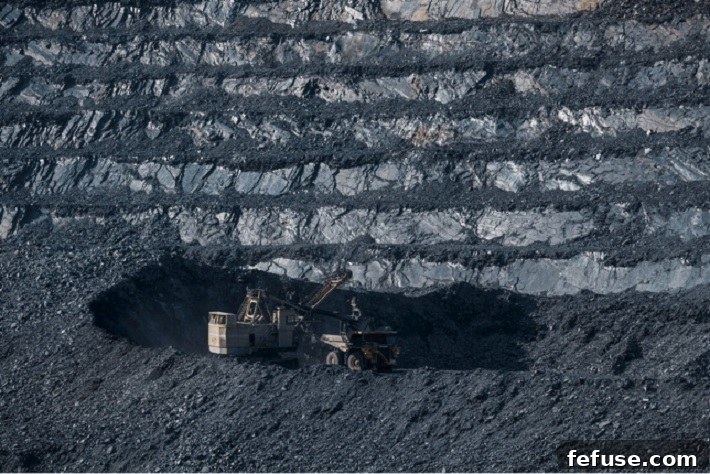
Alrosa Pivots to Gold: A Strategic Shift Amidst Diamond Sanctions
In a significant strategic move, Alrosa, the state-backed Russian diamond mining giant, has finalized a substantial acquisition in the gold sector. The company has successfully concluded the purchase of a promising gold mine located in the remote yet resource-rich Far East region of Russia. This acquisition represents a pivotal moment for Alrosa, signalling a clear intent to diversify its operations and enhance its financial resilience in the face of ongoing international sanctions targeting its core diamond business. The miner has committed a substantial investment of $276 million towards the development and operationalization of this new gold asset, underscoring its long-term vision for the project.
The Degdekan Gold Acquisition: Details and Rationale
This strategic shift comes approximately seven months after G7 nations and the European Union initiated the first phase of restrictive measures on the import of Russian diamonds. These sanctions have undeniably exerted considerable pressure on Alrosa’s traditional revenue streams, compelling the company to explore alternative avenues for growth and stability. The acquisition itself was facilitated through Alrosa’s subsidiary, Almazy Anabara, which now holds 100 percent ownership of the Degdekan gold ore field. This valuable asset is situated in the Magadan region, an area renowned for its rich mineral deposits. The transaction saw Almazy Anabara acquire the field from Polyus, Russia’s largest gold producer, which is also currently subject to international sanctions.
While Alrosa is predominantly known for its vast diamond operations, the company is not entirely new to gold mining. It already maintains a modest portfolio of gold mining activities, with an annual output typically around 180 kilograms. However, the Degdekan acquisition marks a dramatic expansion of its footprint in the gold sector. The projected production from the Degdekan mine is set to reach an impressive 3.3 tons annually starting from 2030, representing a colossal increase in Alrosa’s gold output. This expansion is underpinned by significant confirmed reserves; back in 2015, Russia’s State Reserves Commission officially stated that the Degdekan deposit holds estimated reserves of 38.3 tonnes of gold, promising a long and productive operational life for the mine.
Bolstering Financial Stability and Synergistic Effects
The strategic rationale behind this diversification was clearly articulated by Alrosa CEO Pavel Marinychev. In an official statement, Marinychev highlighted that “the development of the gold deposit will provide an additional synergistic effect for Alrosa’s business and will help increase its financial stability in the long term.” This statement underscores the company’s proactive approach to navigating a challenging geopolitical and economic landscape. By integrating gold mining into its existing operations, Alrosa aims to create efficiencies and mutual benefits across its business units, potentially leveraging existing infrastructure, expertise, and logistical networks. The move is designed not just to offset potential losses from diamond sanctions but to build a more robust and diversified enterprise capable of withstanding future market volatilities.
The pursuit of enhanced financial stability is paramount for Alrosa. In 2022, prior to the full impact of the widespread sanctions, Alrosa recorded approximately $4 billion in global diamond sales. The G7 nations, which have now blacklisted Russian diamonds, collectively represent a staggering 70 percent of global diamond purchases. This significant market share highlights the severe impact that sanctions have had and continue to have on Alrosa’s primary business. Diversifying into gold, a universally recognized safe-haven asset and a valuable commodity with consistent demand, provides a crucial buffer against the revenue pressures imposed by these restrictions. It offers a pathway to generate foreign currency earnings and maintain economic viability in an increasingly complex international trade environment.
The Broader Context: Sanctions and Russian Mining Resilience
Alrosa’s strategic pivot is not an isolated incident but rather reflects a broader trend within the Russian mining sector, where companies are increasingly adapting to Western sanctions. The fact that Alrosa acquired the Degdekan field from Polyus, another major Russian miner also under sanctions, illustrates a dynamic internal market adjustment. Russian companies are exploring domestic opportunities and internalizing transactions to circumvent international restrictions and maintain operational momentum. Gold, in particular, holds significant strategic importance for Russia. As a tangible asset, it serves as a crucial component of the nation’s financial reserves and provides a reliable source of export revenue, particularly valuable when access to other international markets or currencies is restricted. This makes investments in gold production not just a corporate strategy but also potentially a move aligned with broader national economic priorities.
The Russian Far East, with its vast and largely untapped mineral wealth, is increasingly becoming a focal point for such strategic investments. The Magadan region, where Degdekan is located, possesses substantial geological potential for gold, silver, and other valuable metals. Investments of this magnitude, like Alrosa’s $276 million commitment, are vital for stimulating regional development. They promise not only to create new direct employment opportunities in mining but also to foster growth in associated industries, including logistics, engineering, and support services. The development of a large-scale mining operation often necessitates improvements in local infrastructure, such as roads, power supply, and telecommunications, thereby providing a ripple effect of economic benefits to the surrounding communities and the region at large.
Future Outlook and Operational Challenges
Looking ahead, the development of the Degdekan gold mine presents both immense opportunities and considerable challenges. The journey from acquisition to full-scale production by 2030 requires substantial capital expenditure, advanced technological deployment, and expert operational management. Alrosa will need to navigate complex logistical hurdles inherent in operating in the remote Far East, including extreme weather conditions, permafrost, and the need for robust supply chains. Environmental considerations will also be paramount, with responsible mining practices being essential to ensure sustainable operations and mitigate ecological impact in a sensitive natural environment.
The significant projected output of 3.3 tons of gold per year from 2030 positions Alrosa as a formidable player in the global gold market, significantly elevating Russia’s overall gold production capacity. This increased supply from a major producer could subtly influence global gold market dynamics, although gold’s large and liquid market tends to absorb new supply without drastic price fluctuations. For Alrosa, the success of Degdekan will be a crucial test of its ability to adapt and thrive in an environment shaped by geopolitical pressures. While diversification into gold provides a measure of insulation, the company will likely continue to face scrutiny and potential indirect impacts of sanctions, necessitating ongoing strategic agility and innovation.
In conclusion, Alrosa’s decisive pivot towards large-scale gold mining with the acquisition and significant investment in the Degdekan field represents a well-calculated strategic response to the profound challenges posed by international diamond sanctions. This move not only promises to bolster the company’s financial stability and diversify its revenue streams but also reinforces the resilience and adaptability of the Russian mining sector. As Alrosa embarks on this ambitious new chapter, its success will be closely watched as an indicator of how major industries in sanctioned economies continue to innovate and reorient their operations for long-term survival and growth.