
India’s Strategic Diamond Import Ban Reshapes Global Market Dynamics
The global diamond industry, a complex tapestry woven with threads of supply, demand, and intricate market dynamics, recently witnessed a significant strategic move from its epicentre: India. A voluntary two-month moratorium on rough diamond purchases, initiated by India’s powerful Gem and Jewellery Export Promotion Council (GJEPC), sent ripples across the international trade. This calculated pause, designed to recalibrate the balance between market supply and demand, resulted in a dramatic reduction in imports during November, showcasing India’s immense influence and its commitment to fostering stability within the sector. The temporary ban, which concluded on December 15, is widely credited as a primary catalyst for the nascent recovery observed in global diamond prices, offering a beacon of hope after a prolonged period of stagnation.
Understanding the Voluntary Moratorium: A Strategic Necessity
India’s decision to implement a voluntary ban on rough diamond imports was not merely a reaction but a proactive measure stemming from prevailing market conditions. The GJEPC, representing over 9,500 members in the Indian gem and jewellery sector, recognized an urgent need to address an accumulating inventory of both rough and polished diamonds. For months leading up to the ban, the industry had grappled with an oversupply, subdued consumer demand, and consequently, downward pressure on prices. This imbalance led to considerable financial strain on cutters, polishers, and traders alike, threatening the long-term sustainability of the sector.
Sabyasachi Ray, the astute executive director of the GJEPC, articulated the rationale behind this unprecedented step. He framed the moratorium as a “call for prudence,” emphasizing the importance of judicious management of resources and market equilibrium. The council’s objective was clear: to empower its members to “better manage the balance between demand and supply.” By temporarily halting the influx of rough diamonds, the GJEPC aimed to allow existing inventories to be processed and sold, thereby alleviating the pressure of overstocking and creating a healthier demand environment for future purchases. This voluntary initiative underscored the collective responsibility and strategic foresight within the Indian diamond community, demonstrating a unified approach to navigate challenging economic headwinds.
The Tangible Impact: A Sharp Decline in Imports
The immediate and most measurable consequence of the GJEPC’s directive was a staggering contraction in rough diamond imports. New figures released by the council reveal a precipitous 69 per cent drop in November’s import value. From an impressive $1.02 billion recorded in October, imports plummeted to a mere $314 million in November. This substantial decline underscores the widespread compliance and cooperation among Indian diamond manufacturers and traders, illustrating the collective power of the industry when united under a common goal. Such a dramatic reduction in imports from the world’s largest diamond processing hub inevitably sent a clear signal to global miners and suppliers: the Indian market was actively recalibrating, and the era of unchecked supply needed to pause.
The figures are particularly noteworthy because they represent a significant portion of the global rough diamond trade. India processes approximately 90-95% of the world’s diamonds by value, making its purchasing decisions critical to the health of the entire pipeline, from mining companies to luxury retailers. A two-month break in buying from such a dominant player naturally creates a ripple effect, reducing demand from primary sources and subsequently impacting rough diamond prices at the supplier end. This direct correlation between India’s purchasing patterns and global market stability highlights the nation’s indispensable role in the intricate global diamond supply chain.
Resurgence in Prices: A Market Responds
Perhaps the most anticipated outcome of India’s strategic pause was its potential to stabilize and eventually boost diamond prices. For 18 consecutive months, the industry had witnessed a downward trend or stagnation in prices, reflecting global economic uncertainties, shifts in consumer spending, and the increasing presence of lab-grown diamonds. However, the voluntary moratorium provided the much-needed impetus for a turnaround. The IDEX Polished Price Index, widely regarded as a robust indicator of the polished diamond market’s health, registered its first increase in November following this extended period of decline. This uptick, though modest, was a significant psychological boost for an industry yearning for positive signals.
The mechanism behind this price recovery is straightforward: by limiting the supply of rough diamonds entering the processing pipeline, the ban reduced the potential output of new polished diamonds. As inventories of rough material were consumed and not immediately replenished, the underlying pressure on polished diamond prices began to ease. Retailers, facing potentially tighter supplies of specific cuts and sizes in the coming months, found less leverage to demand steep discounts, leading to a firmer pricing environment. This demonstrates a classic economic principle at play: a controlled reduction in supply, even if temporary, can exert upward pressure on prices, especially when coupled with a steady, albeit cautious, underlying demand.
GJEPC’s Prudent Stance and Forward Thinking
The GJEPC’s executive director, Sabyasachi Ray, provided additional context for the council’s decision, emphasizing its careful consideration of various factors. He pointed out that, based on existing supply-demand scenarios, there were “enough stocks for manufacture for the next two months” at the time the moratorium was introduced. This foresight meant that manufacturing units would not face immediate shortages, allowing them to continue operations with existing rough inventory while the market reset itself. Furthermore, Ray highlighted a traditional aspect of the Indian manufacturing calendar: the one-month holiday period during Diwali, which fell on November 12. This annual shutdown naturally reduces manufacturing activity, meaning a portion of the rough diamond intake would have paused anyway, lending an additional layer of practicality to the ban’s timing.
While the GJEPC had initially prepared for the possibility of extending the ban beyond the stipulated two months, the subsequent market response and the effectiveness of the initial pause led them to conclude that such an extension was not necessary. This flexibility and responsiveness to evolving market conditions further underscore the GJEPC’s sophisticated approach to industry management. Their willingness to adapt their strategy based on real-time data and market feedback demonstrates a commitment to achieving optimal outcomes for their members and the broader diamond ecosystem.
India’s Unmatched Influence on the Global Diamond Pipeline
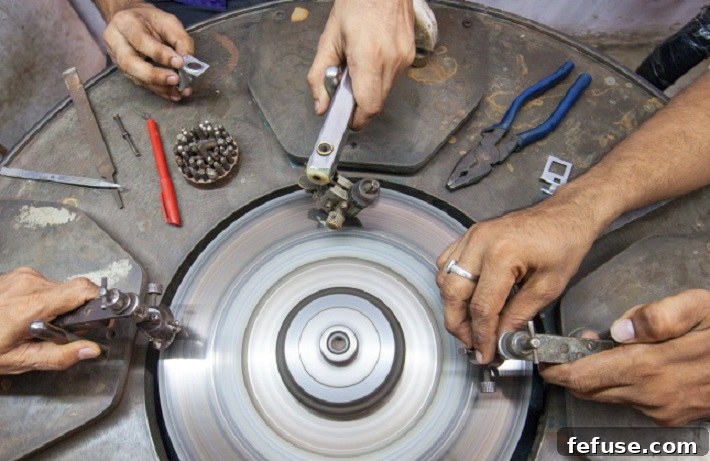
To fully grasp the significance of India’s actions, it is essential to appreciate its unparalleled dominance in the global diamond industry. As mentioned, India is the world’s undisputed leader in cutting and polishing diamonds, handling the vast majority of rough stones extracted globally. From the intricate art of sorting and cleaving to the meticulous process of faceting and polishing, Indian artisans and technological prowess transform raw minerals into sparkling gems. This central role means that any significant policy change or voluntary action undertaken by the Indian sector has profound implications for every other stakeholder, including major mining corporations, international traders, luxury brands, and ultimately, consumers worldwide.
The industry’s ability to coordinate such a widespread voluntary ban speaks volumes about its organizational structure and the collective commitment of its members. It demonstrates a maturity in self-regulation aimed at long-term sustainability rather than short-term gains. This proactive management of the supply chain helps in preventing market saturation, preserving the value of diamonds, and ensuring the health of thousands of businesses and millions of livelihoods that depend on this vibrant sector. The actions taken by the GJEPC are not just beneficial for India but serve as a crucial stabilizing force for the entire global diamond economy.
Looking Ahead: Sustaining Momentum in a Dynamic Market
With the moratorium concluded and early signs of market recovery emerging, the Indian diamond industry, and indeed the global sector, now faces the challenge of sustaining this positive momentum. While the ban proved effective in clearing inventories and firming up prices, the underlying economic realities and evolving consumer preferences remain. The rise of lab-grown diamonds, shifting luxury spending habits, and broader geopolitical uncertainties continue to shape the landscape. Therefore, continued vigilance and adaptive strategies will be paramount.
The GJEPC’s initiative serves as a powerful precedent, demonstrating the efficacy of coordinated industry-wide actions. Moving forward, continued collaboration between miners, manufacturers, and retailers will be crucial. Investments in marketing and promotion to reignite consumer desire for natural diamonds, coupled with efforts to enhance transparency and ethical sourcing, will be vital. The Indian diamond industry, having skillfully navigated a period of significant challenge, stands poised to lead the global market into a more stable and prosperous future, provided it continues to embrace prudence, innovation, and strategic cooperation.
In conclusion, India’s voluntary two-month ban on rough diamond imports was a masterstroke of market management. It significantly curtailed imports, played a pivotal role in reversing the downward trend in diamond prices, and reaffirmed India’s indispensable position at the heart of the global diamond trade. As the industry emerges from this strategic pause, the lessons learned and the collaborative spirit demonstrated will undoubtedly guide its path toward sustained growth and resilience in an ever-evolving world.