
UK Hallmarking Figures 2018: Unpacking the Trends in Precious Metals
The latest official hallmarking figures from the four venerable UK Assay Offices have unveiled a detailed picture of the British jewellery and precious metals market for the year 2018. These comprehensive statistics, meticulously compiled and released, serve as a vital barometer for industry health, consumer demand, and evolving trends in precious metal preferences. Overall, the data indicates a slight contraction in the number of items hallmarked, signaling a period of adjustment for the sector. Understanding these nuanced shifts is crucial for manufacturers, retailers, and consumers alike, offering insights into market dynamics and the economic forces at play.
In total, 9,114,402 articles received the esteemed mark of quality and authenticity from UK Assay Offices throughout 2018. This figure represents a 2.4% decrease compared to the preceding year, translating to 222,524 fewer items. While a minor dip in the grand scheme of millions of pieces, this reduction prompts a closer examination of which metals experienced growth, which faced headwinds, and what these changes signify for the future trajectory of the UK jewellery industry. The hallmarking system, a cornerstone of consumer protection and ethical trade for centuries, continues to provide transparent data that helps stakeholders navigate an increasingly complex market.
Annual Overview: Diving Deep into the 2018 Hallmarking Performance
The annual hallmarking report provides a robust overview of the precious metals market, revealing both challenges and opportunities. While the overall volume saw a modest decline, the performance varied significantly across different metals, underscoring divergent consumer preferences and market conditions. These figures are not just numbers; they tell a story of consumer confidence, economic pressures, and shifts in fashion and investment choices. The detailed breakdown by metal type and fineness offers invaluable granularity for industry analysis, highlighting specific areas of strength and weakness within the UK’s vibrant jewellery sector.
Silver’s Significant Dip: Analyzing the Decline of a Market Staple
Silver, traditionally the metal with the highest volume due to its affordability and versatility, experienced the most substantial setback in 2018. The number of silver articles hallmarked plummeted by 5.9% annually, a notable drop for such a widely used material. This decline could be attributed to several factors, including changing fashion trends, economic pressures affecting discretionary spending on more accessible luxury items, or an increasing market share for non-hallmarked costume jewellery. Sterling silver (925), which constitutes the vast majority of silver items, led this decline, signaling a broader challenge for the silver segment of the market.
- Fine silver (999) – down 4.9% (19,905 items)
- Britannia silver (958) – down 11.1% (11,774 items)
- Sterling silver (925) – down 5.9% (4,608,202 items)
- 800 parts silver – up 1.8% (689 items)
Total silver items – down 5.9% (4,640,569 items)
Despite the overall downturn, the sheer volume of silver items—over 4.6 million—still underscores its dominant position in the market. Its performance is often seen as a bellwether for the broader jewellery industry, particularly in segments catering to everyday wear and gifting. The specific decrease in Britannia silver, a higher purity standard, might also suggest a slight shift away from premium silver offerings or reduced demand for bespoke artisan pieces that often favour this fineness.
Gold’s Resilient Rise: A Shine in Challenging Times
In contrast to silver, gold demonstrated remarkable resilience, recording a positive growth of 1.9% in the number of items hallmarked. This upward trend highlights gold’s enduring appeal as a classic luxury item and a safe-haven asset, particularly during periods of economic uncertainty. Consumers often gravitate towards gold for significant purchases, investment pieces, and heirloom jewellery, reinforcing its status as a timeless symbol of value and prestige. The increase suggests a robust demand in key segments, with both higher and lower caratages contributing to this positive momentum.
- 24ct (999) – up 129.8% (710 items)
- 24ct (990) – down 26.7% (129 items)
- 22ct (916) – down 3.5% (421,175 items)
- 18ct (750) – up 2.8% (828,999 items)
- 14ct (585) – up 21.4% (163,777 items)
- 9ct (375) – up 1.5% (2,698,853 items)
Total gold items – up 1.9% (4,113,643 items)
A closer look at the gold figures reveals interesting patterns. While 9ct gold (375) remains the dominant choice by volume, driven by its affordability and wide availability, its growth was modest. The significant surge in 14ct gold (585) by 21.4% suggests a growing preference for a mid-range option that balances purity with durability and price. Furthermore, the impressive 129.8% increase in 24ct gold (999), albeit from a small base, might indicate a niche but growing market for pure gold items, possibly fueled by cultural preferences or investment interest. 18ct gold also saw a healthy increase, solidifying its position as a preferred choice for fine jewellery.
Platinum’s Steady Ascent: The Enduring Appeal of Exclusivity
Platinum, often associated with exclusivity and durability, also enjoyed a positive year, with hallmarking figures rising by 5.3%. This growth underscores its sustained popularity in the high-end jewellery market, particularly for engagement and wedding rings where its natural white luster and strength are highly valued. Despite being a more premium metal, platinum continues to attract discerning consumers who prioritize its unique properties and prestige. The consistent growth suggests a stable demand in its specific market segment, insulated somewhat from the broader economic fluctuations impacting more volume-driven metals.
- 999 parts – down 12.7% (62 items)
- 950 parts – up 8.2% (296,976 items)
- 900 parts – down 95.7% (322 items)
- 850 parts – down 61.7% (163 items)
Total platinum items – up 5.3% (297,523 items)
The vast majority of platinum hallmarking activity is concentrated in 950 parts platinum, which saw a robust 8.2% increase. This particular fineness is the industry standard for platinum jewellery in the UK and globally, reaffirming its strong market position. The relatively small numbers for other finenesses, and their significant declines, illustrate the overwhelming preference for 950 platinum and the specialized nature of the platinum market.
Palladium’s Volatility: Navigating a Niche Market
Palladium experienced the sharpest decline among all precious metals, dropping by 26.2%. This significant contraction reflects the metal’s inherent market volatility and its dual role in both industrial applications (primarily automotive catalysts) and jewellery. Price fluctuations in the industrial market can heavily influence its use and desirability in jewellery. Its smaller market size also means that changes in demand, even for relatively few pieces, can lead to dramatic percentage shifts. While some consumers appreciate its unique grey-white appearance and lightness, its market presence in jewellery remains niche.
- 999 parts – up 300% (8 items)
- 950 parts – down 25.6% (51,852 items)
- 500 parts – down 28.8% (10,807 items)
Total palladium items – down 26.2% (62,667 items)
The impressive 300% increase in 999 parts palladium, though from an extremely low base of just 8 items, is a statistical anomaly rather than a significant market trend. More indicative are the substantial declines in 950 and 500 parts palladium, which together account for the vast majority of palladium jewellery. This suggests a continued retreat for palladium in the jewellery sector, possibly due to price volatility, competition from other white metals like platinum or white gold, or simply a shift in consumer interest away from this particular metal.
Total items hallmarked in 2018 – down 2.4% (9,114,402 items)
Monthly Snapshot: UK Hallmarking Figures for December 2018 vs. December 2017
Beyond the annual figures, examining monthly hallmarking data, particularly for December, provides a crucial insight into consumer spending during the peak festive retail season. December is traditionally a pivotal month for the jewellery industry, often dictating the success of the entire year. Comparing December 2018 figures against the same period in 2017 offers a more immediate perspective on consumer confidence and purchasing trends leading into the new year.
Overall, December 2018 saw a 2.1% reduction in total items hallmarked compared to December 2017, aligning with the annual trend of a slight downturn. This modest decline in a critical trading month could reflect broader economic caution among consumers or shifts in holiday spending patterns. Despite this, some metals managed to defy the trend, demonstrating targeted strength even during a challenging period.
Gold’s Mixed Performance in the Festive Month
Gold experienced a 3.0% decline in hallmarked items in December 2018 compared to the previous December. While the annual figures for gold showed growth, the end-of-year data indicates a potential slowdown in festive gold purchases. This could be due to a variety of factors, including consumer belt-tightening during the holiday season, or perhaps an early shift in spending. However, within this overall dip, some finenesses still managed to see growth, showcasing the varied demand for different gold purities.
- 24ct (999) – up 46.7% (66 items)
- 24ct (990) – up 600% (7 items)
- 22ct (916) – down 23.2% (22,053 items)
- 18ct (750) – up 9.1% (63,201 items)
- 14ct (585) – down 15.9% (11,980 items)
- 9ct (375) – down 2.8% (214,974 items)
Total gold items – down 3.0% (312,281 items)
Silver’s Continued Struggles Through December
Silver’s annual decline continued into the festive period, with a 1.5% drop in December hallmarking figures. This reinforces the challenges faced by the silver market, even during a time when jewellery sales are typically boosted by gifting. The consistent downturn for silver, both annually and monthly, signals a need for strategic rethinking within this segment of the industry to revitalize consumer interest and demand.
- Fine silver (999) – down 45.4% (539 items)
- Britannia silver (958) – up 14.5% (632 items)
- Sterling silver (925) – down 1.4% (372,580 items)
- 800 parts silver – down 98.1% (5 items)
Total silver items – down 1.5% (373,756 items)
Platinum Shines Brightest in the Holiday Season
Platinum proved to be a strong performer in December, with a significant 9.4% increase in hallmarked items. This robust growth during the holiday season highlights platinum’s role in premium gift-giving and engagement jewellery, suggesting that consumers are willing to invest in high-value pieces for significant occasions. The strong monthly performance solidifies platinum’s consistent positive trend observed in the annual figures, underscoring its enduring appeal to a specific, affluent market segment.
- 999 parts – up 100% (2 items)
- 950 parts – up 79.2% (20,412 items)
- 900 parts – down 99.5% (37 items)
- 850 parts – down 76.5% (4 items)
Total platinum items – up 9.4% (20,455 items)
Palladium’s Steep Retreat Continues in December
Palladium’s challenges intensified in December, experiencing a sharp 51.1% decline in hallmarked items. This dramatic monthly drop underscores the metal’s vulnerability and the significant shift away from its use in jewellery. The steep decrease could be influenced by a combination of factors, including its industrial market volatility and a clear preference for other precious metals during high-value purchasing periods like the holidays.
- 999 parts – Neutral (0 items)
- 950 parts – down 51.5% (1,203 items)
- 500 parts – down 49.2% (270 items)
Total palladium items – down 51.1% (1,473 items)
Total items hallmarked in December 2018: 707,965 – down 2.1%
Broader Implications for the UK Jewellery Sector
The 2018 hallmarking figures provide more than just numbers; they offer a mirror to the broader economic and social landscape influencing consumer behaviour in the UK. The overall dip in hallmarking could be linked to several macroeconomic factors, including stagnant wage growth, consumer caution amidst political uncertainties (such as Brexit discussions during that period), and a general tightening of household budgets. For the jewellery industry, this translates into a need for adaptability and strategic innovation.
The contrasting performances of gold and platinum versus silver and palladium highlight a potential bifurcation in the market. Consumers may be more inclined to invest in higher-value, traditional precious metals for significant purchases or as a store of value, while more accessible silver jewellery faces tougher competition from fashion accessories made with alternative materials or from a saturated market. The growth in specific gold finenesses, such as 14ct, also suggests consumers are looking for a balance between perceived value and affordability within the gold category.
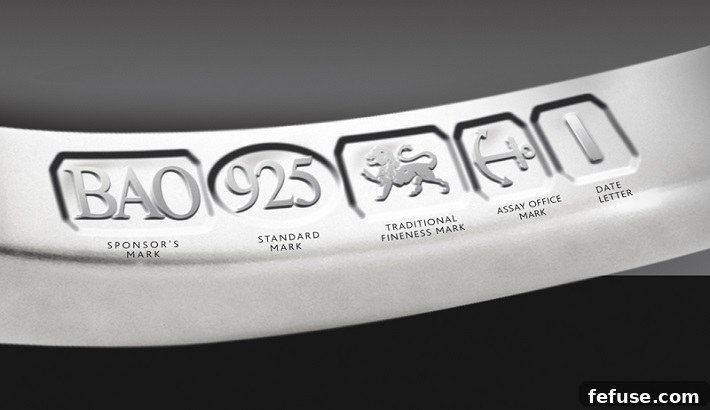
Furthermore, these statistics underscore the enduring importance of hallmarking itself. In an increasingly complex global market, the official hallmark from UK Assay Offices remains a crucial mark of authenticity, quality, and consumer trust. It assures buyers of the metal’s purity and origin, protecting them from misrepresentation and supporting ethical sourcing. For the industry, consistent and transparent hallmarking data is indispensable for market analysis, strategic planning, and fostering confidence among both trade partners and the end consumer.
Conclusion: Navigating the Evolving Precious Metals Landscape
The 2018 UK hallmarking figures present a nuanced narrative of a precious metals market in transition. While the overall number of items hallmarked experienced a slight contraction, this masks varied performances across different metals. Gold and platinum demonstrated robust resilience and growth, reflecting their status as enduring symbols of luxury and investment. Silver, despite its dominant volume, faced significant headwinds, indicating shifts in consumer preferences and economic pressures on the more accessible end of the market. Palladium continued its retreat in jewellery, influenced by its volatile industrial market.
For the UK jewellery industry, these insights are invaluable. They highlight the need for agility, innovation in design, and targeted marketing strategies that cater to evolving consumer demands. Retailers and manufacturers must continue to emphasize the intrinsic value, craftsmanship, and emotional significance of precious metal jewellery, while also adapting to economic realities. As the market continues to evolve, the detailed data provided by the UK Assay Offices will remain an essential tool for understanding trends, making informed decisions, and ensuring the continued health and integrity of the British precious metals sector.