
BIS HUID System: ushering in a New Era of Purity and Trust for India’s Silver Market
India, a nation deeply rooted in rich traditions and cultural reverence for precious metals, is witnessing a monumental shift in its silver market. The Bureau of Indian Standards (BIS), the national standards body of India, has successfully implemented the mandatory Hallmark Unique Identification (HUID) system for silver articles, marking a significant stride towards enhancing transparency and consumer confidence. Since its enforcement on 1 September 2025, this groundbreaking initiative has garnered an overwhelmingly positive response, fundamentally reshaping how silver purity is assured across the country.
Within the initial quarter of its implementation, the BIS reported that over 17 lakh silver articles have already been diligently hallmarked with the unique HUID code. This impressive figure not only underscores the system’s robust early adoption but also highlights the widespread commitment from stakeholders to embrace higher standards of authenticity. The swift integration of HUID for silver, mirroring the successful framework established for gold, signifies a pivotal moment for millions of Indian consumers who invest in silver for various purposes, from daily adornment to auspicious rituals.
A Landmark Initiative: Decoding the HUID System for Silver
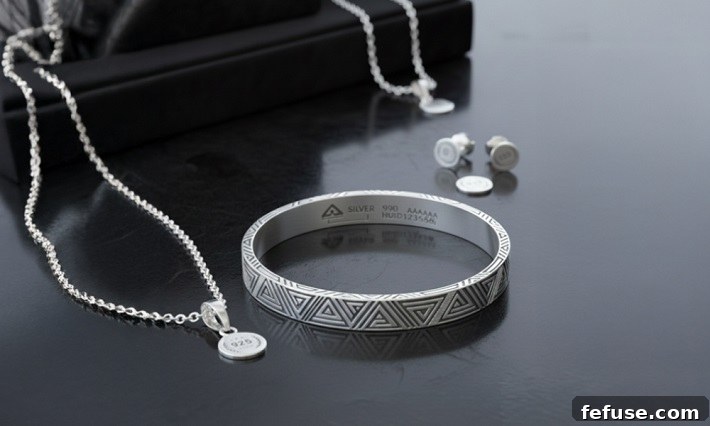
The introduction of HUID for silver articles is not merely a regulatory update; it is a transformative step designed to fortify purity assurance and effectively combat counterfeit hallmarking. Each hallmarked silver piece is now mandated to carry a unique six-digit alphanumeric HUID. This sophisticated code is meticulously laser-engraved onto the article, alongside the revered BIS logo and the specific purity grade. This integration ensures that every silver item can be traced back to its hallmarking centre and manufacturer, thereby establishing a transparent and digitally verifiable ecosystem for silver jewelry and artifacts.
The HUID system fundamentally changes the landscape of trust in the silver market. Prior to its implementation, consumers often faced challenges in verifying the actual purity of silver items, leading to potential exploitation and a lack of accountability. With HUID, this ambiguity is eliminated. The system provides a reliable mechanism for both consumers and regulatory bodies to authenticate each silver piece quickly and reliably, instilling unparalleled confidence in every purchase. This aligns silver traceability with the stringent standards long established and successfully utilized in gold hallmarking, bringing uniformity and credibility to the entire precious metals sector.
Impressive Early Adoption: The Numbers Speak Volumes
The remarkable uptake of the HUID system in its nascent stages is a clear indicator of its necessity and effective design. The processing of over 1.7 million silver articles within the first three months is a testament to the industry’s readiness and the consumer’s demand for verified purity. A significant majority of these hallmarked items—nearly 90%—belong to the popular 925 and 800 purity grades. These grades are particularly prevalent in the Indian market due to their versatility, durability, and traditional significance.
Popular Purity Grades and Their Significance
- 925 Purity Grade (Sterling Silver): This grade signifies that the silver article contains 92.5% pure silver and 7.5% other metals, typically copper, to enhance its strength and durability. Sterling silver is widely favored for jewelry, tableware, and decorative items due to its beautiful luster and resistance to tarnishing compared to pure silver.
- 800 Purity Grade: Articles marked with 800 purity contain 80% pure silver. While slightly lower in purity than sterling silver, this grade is also common, especially for utilitarian items, traditional crafts, and specific regional jewelry styles where added strength or a particular finish is desired.
The dominance of these purity grades highlights their entrenched position within Indian consumer preferences. The HUID system ensures that irrespective of the chosen purity, consumers can rest assured that the stated composition is accurately verified and certified by BIS.
Leading Silver Articles: A Glimpse into Indian Traditions
The types of silver products undergoing hallmarking reflect the rich tapestry of Indian culture and its deep connection to silver. Traditional silver products continue to dominate submissions, showcasing the enduring appeal of these items in Indian households and ceremonies. Topping the list are payals (anklets), followed closely by silver diyas, plates, and religious idols. This trend underscores the role of silver not just as an adornment but as an integral part of religious practices, household utility, and cultural heritage.
- Payals (Anklets): Worn by women and girls across India, payals are often intricately designed and hold significant cultural and traditional value, frequently exchanged as gifts and worn during festivals and weddings.
- Silver Diyas: Essential for religious ceremonies and daily prayers, silver diyas (lamps) are symbolic of purity and light, widely used in homes and temples.
- Silver Plates: Often used for serving prasad (offerings) or for daily meals in many households, silver plates are cherished for their elegance and auspiciousness.
- Religious Idols: Statues and idols of deities crafted from silver are revered, used in home altars, and often passed down through generations, embodying spiritual devotion.
The inclusion of these culturally significant items under the HUID system adds an additional layer of trust to practices that are deeply personal and important to millions of Indians.
Geographical Trends: Southern States Lead the Way
An analysis of the hallmarking volumes reveals interesting geographical patterns. The Southern states of India are currently leading in hallmarking volumes, demonstrating a higher rate of adoption and perhaps reflecting the region’s strong tradition of silver craftsmanship and consumption. States like Tamil Nadu, Kerala, Andhra Pradesh, Telangana, and Karnataka have historically been significant markets for silver, driven by cultural practices, festivals, and a strong affinity for traditional jewelry and household items.
While the South leads, Western and Eastern regions are steadily gaining momentum. This indicates a growing awareness and acceptance of the HUID system across different parts of the country. The BIS, through ongoing awareness campaigns and infrastructural development, aims to ensure uniform adoption nationwide, eventually bringing every corner of India’s vast silver market under the protective umbrella of HUID.
A Minister’s Vision: Strengthening Consumer Trust and Market Integrity
The Union Minister for Consumer Affairs, Food and Public Distribution, Shri Pralhad Joshi, has consistently emphasized the profound significance of this initiative. He rightly termed the introduction of HUID for silver articles a “landmark move to reinforce purity assurance and curb counterfeit hallmarking.” This statement encapsulates the core objectives of the BIS: to protect consumers from deceptive practices and to foster a fair and transparent marketplace for silver.
Reinforcing purity assurance means guaranteeing that consumers receive exactly what they pay for. The HUID system, with its verifiable purity grades, eliminates the guesswork and reliance on verbal assurances. It empowers consumers with concrete, traceable information about the silver they purchase. Simultaneously, curbing counterfeit hallmarking tackles the nefarious practice of selling substandard silver with fake purity marks, which has long plagued the industry and eroded consumer trust. By making every hallmarked piece digitally verifiable, the system creates a robust deterrent against such fraudulent activities, thereby safeguarding the integrity of the entire silver trade.
Empowering Consumers: The BIS CARE Mobile App
To make the verification process not only reliable but also incredibly simple and accessible, the BIS actively encourages consumers to utilize the user-friendly BIS CARE mobile app. Available on both Android and iOS platforms, this innovative application is a powerful tool designed to put transparency directly into the hands of the consumer. The app allows users to effortlessly check crucial details about any hallmarked silver article by simply scanning or entering its HUID code.
Through the BIS CARE app, consumers can instantly access vital information such as the article’s purity, its type (e.g., ring, bracelet, diya), and the details of the registered hallmarking centre that certified the item. This digital-first approach is central to BIS’s broader strategy to enhance transparency, systematically eliminate fake hallmarking from the market, and ultimately strengthen the bedrock of trust across the entire silver market value chain. The app serves as a real-time guardian, offering peace of mind and informed decision-making capabilities to every silver buyer.
The Broader Impact: Formalizing India’s Silver Market
The implementation of the HUID system for silver extends its benefits far beyond individual transactions. It is catalyzing a significant formalization of India’s silver market, which historically has had both organized and unorganized segments. By mandating hallmarking and introducing a transparent traceability system, the BIS is creating a level playing field for all jewelers and manufacturers, encouraging fair competition and adherence to quality standards.
Benefits for Consumers:
- Guaranteed Purity: Assurance of the stated purity of silver, protecting against under-carating.
- Enhanced Trust: Increased confidence in purchases, leading to greater consumer satisfaction.
- Improved Resale Value: Authenticated silver articles are likely to fetch better resale prices due to verified purity.
- Protection from Fraud: A robust system to identify and report counterfeit items, minimizing financial losses.
- Informed Decisions: Access to comprehensive product information through the BIS CARE app.
Benefits for the Industry:
- Level Playing Field: Promotes fair business practices and discourages unscrupulous trading.
- Enhanced Reputation: Boosts the credibility of Indian jewelers and the overall silver industry.
- Streamlined Processes: Standardizes operations for hallmarking and certification.
- Market Growth: Increased consumer confidence can stimulate demand for hallmarked silver.
- Export Potential: Adherence to international standards enhances the competitiveness of Indian silver products in global markets.
Looking Ahead: The Future of Silver Hallmarking in India
The successful initial phase of the HUID system for silver articles is a promising indication of its long-term impact. The Bureau of Indian Standards remains committed to continuous improvement, expanded outreach, and strengthening the infrastructure required to support this nationwide initiative. Future endeavors may include wider awareness campaigns targeting remote areas, training programs for jewelers, and further technological enhancements to the verification process. The goal is to ensure that every silver article sold in India meets the highest standards of purity and authenticity, thereby upholding India’s legacy as a trusted market for precious metals.
In conclusion, the BIS HUID system for silver is more than just a regulatory mandate; it represents a commitment to integrity, consumer empowerment, and the modernization of India’s precious metals industry. With its robust early adoption, clear benefits, and digital verification capabilities, the system is set to solidify trust, eliminate malpractice, and pave the way for a more transparent and thriving silver market for generations to come. The journey has just begun, and the initial results clearly demonstrate a brighter, more reliable future for silver consumers across India.