
Black Friday Foot Traffic: A Deep Dive into Shifting Consumer Behavior and Retail Dynamics
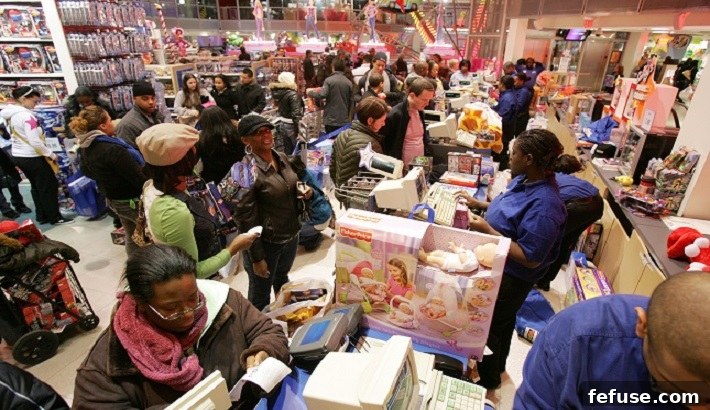
Black Friday, long synonymous with frenetic shopping sprees and unprecedented retail gains, continues to be a pivotal event in the annual retail calendar. However, recent data suggests a fascinating evolution in how consumers engage with this much-anticipated shopping holiday. A comprehensive report from advertising technology company Mobiquity Technologies reveals a significant surge in mall traffic on Black Friday, registering an impressive 91 percent increase compared to an average weekend. While this statistic might initially suggest a triumphant return to physical retail, a closer examination uncovers a more nuanced story about shifting consumer priorities and the evolving role of brick-and-mortar spaces.
The report highlights a crucial distinction: increased foot traffic doesn’t automatically translate into universal sales prosperity for all retail categories. While malls buzzed with activity, certain sectors reaped greater benefits than others, prompting retailers to re-evaluate their Black Friday strategies and adapt to a changing landscape where experience often trumps pure transaction.
The Surprising Winners: Categories That Captivated Black Friday Shoppers
Mobiquity Technologies’ Black Friday report illuminates the categories that truly captured the attention—and wallets—of consumers. Leading the charge was the lingerie sector, which emerged as the biggest growth category over the shopping weekend. Foot traffic to lingerie stores nearly doubled the growth observed in jewelry and other historically popular gifting categories. This surge suggests a strong consumer inclination towards personal indulgence or specific, high-demand gift items during the early holiday rush.
Beyond intimate apparel, several other categories experienced significant gains, indicating clear consumer preferences. Toys and children’s apparel outlets saw substantial increases in foot traffic, reflecting the immediate demands of holiday gifting for younger demographics. Parents and gift-givers likely capitalized on Black Friday deals to tick off items from wish lists, taking advantage of potentially aggressive promotions. Similarly, camping and outdoor retail outlets also reported considerable gains, pointing towards a growing trend in lifestyle purchases and a consumer base investing in hobbies and experiences, perhaps with an eye on future adventures or practical, durable gifts.
These winning categories share common threads: they often involve items with a clear utility, a strong gift-giving appeal for specific demographics, or products that align with contemporary lifestyle trends. Their success on Black Friday hints at a more purposeful shopping journey, where consumers are drawn to specific deals or categories rather than simply browsing universally.
The Jewelry Dilemma: High Traffic, Lower Prioritization
Despite the overall increase in mall foot traffic, the jewelry sector faced a different reality. While jewelry stores did see a respectable 36 percent increase in foot traffic on Black Friday compared to regular Fridays, the report unequivocally states that they were “far from top of mind for shoppers.” This finding presents a critical challenge for jewelers and luxury retailers, urging them to delve deeper into consumer psychology during the Black Friday period.
Several factors could contribute to this trend. Jewelry, often a high-value and emotionally significant purchase, may require more deliberation and consideration than the rapid transactional nature of Black Friday sales. Consumers might prefer to allocate their immediate Black Friday budgets to more practical items, or gifts for which deals are perceived as more urgent or impactful. Furthermore, the decision to purchase fine jewelry might often be reserved for later in the holiday season, closer to Christmas or New Year’s, after initial gifting needs have been met.
Moreover, the increasingly competitive retail landscape, coupled with economic uncertainties, may lead consumers to prioritize necessities or experiences over luxury goods during the initial shopping surge. Jewelers must understand that while their stores contribute to the overall mall experience and attract some interest, Black Friday might not be the optimal time for their most significant sales push. Instead, they might need to focus on cultivating customer relationships, offering unique in-store experiences, or highlighting specific promotions that resonate with the immediate gifting needs of a discerning clientele, rather than relying solely on high foot traffic for conversions.
Black Friday: More Than Just a Shopping Spree
Mobiquity Technologies’ analysis also offers a fascinating perspective on the nature of Black Friday itself. Although it highlights a significant increase in baseline Friday traffic levels, it shows only modest increases over baseline Saturdays. Paul Bauersfeld, CTO of Mobiquity Technologies, commented, “Our data suggests the mall is still a destination for families and Santa visits, even if they may not be going there to shop.” He added, “Our data is confirming the transition many malls are making to family entertainment centers.”
This observation suggests that Black Friday, at least in its current iteration, looks more like a “slightly above average Saturday than the door busting retail stampede observed in years’ past.” The era of frantic queues and mad dashes for limited-stock items appears to be waning, replaced by a more leisurely, experience-driven visit. Families are still flocking to malls, but their intent is broader than just shopping. They come for the festive atmosphere, for communal experiences, for dining, and indeed, for traditional holiday activities like visiting Santa Claus.
This evolving role of the mall as a “family entertainment center” has profound implications for retailers and mall developers. It necessitates a strategic shift from pure transaction-focused environments to hybrid spaces that offer compelling experiences alongside retail opportunities. Malls that successfully integrate entertainment venues, diverse dining options, and engaging events are more likely to thrive, drawing in visitors who may then, incidentally, decide to shop. For individual retailers, this means enhancing their in-store experience, making their spaces inviting, and perhaps even offering unique events or services that capitalize on the mall’s role as a destination.
Adapting to the New Retail Paradigm: Strategies for Success
The insights from Mobiquity Technologies underscore the dynamic nature of retail and the need for continuous adaptation. For retailers, particularly those in categories like jewelry that didn’t dominate Black Friday sales, several strategies become paramount:
- Rethink Black Friday Positioning: Instead of treating Black Friday as the sole peak sales event, jewelers might consider it as a strong opportunity for brand building, showcasing new collections, or engaging customers through unique in-store experiences. Major sales pushes might be more effective closer to Christmas or for specific, highly targeted promotions.
- Embrace the Experience Economy: If malls are becoming entertainment centers, retailers within them must contribute to that experience. This could involve hosting small events, offering personalization services, creating visually engaging displays, or simply providing exceptional customer service that makes a visit memorable and enjoyable, regardless of a purchase.
- Leverage Omnichannel Strengths: The data highlights the continued relevance of physical stores, but this doesn’t diminish the importance of a robust online presence. A seamless omnichannel strategy—where online browsing complements in-store discovery and vice-versa—is crucial. Black Friday foot traffic could be an opportunity to drive online engagement or collect customer data for future targeted marketing.
- Understand Consumer Intent: Retailers need to move beyond simply counting foot traffic to understanding the *intent* behind those visits. Are people browsing, comparing, or ready to buy? Tailoring marketing messages and in-store interactions based on perceived intent can significantly improve conversion rates.
- Identify Key Shopping Periods: Not all categories peak at the same time. Jewelers, for instance, might find greater success in the weeks leading up to Valentine’s Day, Mother’s Day, or specific anniversary gifting periods, rather than a broad Black Friday push where they compete with more immediate and practical gift categories.
- Focus on Value Beyond Price: While Black Friday is synonymous with deals, for luxury items like jewelry, emphasizing craftsmanship, unique design, emotional significance, and lasting value can be more effective than deep discounts alone.
The Future of Retail: A Blend of Digital and Experiential
The Mobiquity Technologies report paints a clear picture: the future of retail is a sophisticated blend of digital convenience and compelling physical experiences. While online shopping continues its relentless growth, physical retail spaces, particularly malls, are proving their enduring value as social hubs and entertainment destinations. However, their purpose is evolving. It’s no longer just about transactions; it’s about engagement, discovery, and creating memorable moments.
For retailers to thrive in this new landscape, a data-driven approach is essential. Understanding precise foot traffic patterns, category performance, and the underlying motivations of consumers allows for more agile and effective strategies. Black Friday, rather than being a standalone sales sprint, is increasingly becoming the kickoff to a longer holiday shopping season, where consumers are discerning, value-conscious, and seeking both compelling products and enriching experiences.
The success stories of lingerie, toys, and outdoor gear on Black Friday, juxtaposed with the more subdued performance of jewelry despite increased traffic, serve as valuable lessons. They underscore the need for adaptability, strategic positioning, and a deep understanding of consumer behavior in an ever-changing retail world. The mall, far from being obsolete, is reinventing itself, and retailers must do the same to capture the hearts and wallets of tomorrow’s shoppers.
News Source: idexonline