
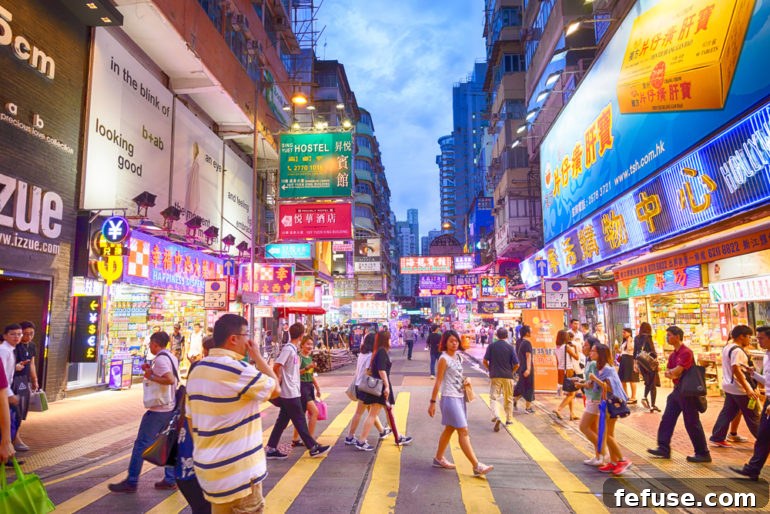
Hong Kong’s Retail Sector Soars: Unpacking the Stellar Growth in November 2017
Hong Kong’s dynamic retail sector demonstrated remarkable resilience and growth in November 2017, extending its upward trajectory for an impressive ninth consecutive month. According to comprehensive data released by the Census & Statistics Department of the Hong Kong government, the city witnessed a significant 7.5% increase in total retail sales value and a 6.9% rise in volume terms when compared to the same period in the previous year. This robust performance not only underscores the sector’s vitality but also represents the highest monthly growth rate recorded since February 2015, a period that saw a year-on-year jump of nearly 15%. Such consistent positive momentum highlights a confident market environment, driven by a confluence of internal and external factors.
A Closer Look at November 2017 Retail Performance
The total retail sales in November 2017 reached an impressive HK$38,715 million, a substantial increase from HK$36,000 million reported a year prior and HK$37,532 million in October 2017. What makes this particular month’s performance even more compelling is the widespread nature of the growth: every single retail category registered positive expansion. This broad-based improvement signals a healthy and diversified consumer spending pattern, moving beyond just a few standout segments to reflect a general uplift across the entire retail landscape.
Key Retail Categories Fueling the Surge
While the growth was ubiquitous, certain retail categories particularly shone, contributing significantly to the overall positive figures. The luxury segment, often a barometer of consumer confidence and tourist spending in Hong Kong, exhibited strong performance:
- Jewellery, Watches, and Other Valuable Gifts: Sales in this prestigious category surged by 7.9% year-on-year in November. This marked the fifth consecutive month of increase, underscoring Hong Kong’s enduring appeal as a premier destination for luxury shopping. The sustained demand in this sector is particularly indicative of robust spending power, often linked to high-spending tourists and affluent local consumers.
Beyond luxury, several other essential and discretionary consumer goods categories also posted impressive, and in some cases, even higher growth rates, indicating diversified consumer interest and a buoyant market:
- Medicines and Cosmetics: This category saw a substantial boost of 12.5%. The consistent demand for health and beauty products, often influenced by both local consumers seeking wellness and tourists purchasing high-value cosmetic items, proves its resilience and growth potential.
- Miscellaneous Consumer Durable Goods: Leading the pack with an exceptional 27.4% growth, this category reflects increased consumer investment in longer-lasting household items and perhaps small electronics not classified elsewhere, hinting at improving economic confidence among residents.
- Other Consumer Goods, Not Elsewhere Classified: A broad category encompassing various essential and non-essential items, it recorded a healthy 11.3% increase, indicating widespread purchasing across a spectrum of everyday products.
- Electrical Goods and Photographic Equipment: With a solid 9.8% growth, this sector benefits from technological advancements, product upgrades, and the enduring popularity of electronic gadgets and photography among consumers.
Primary Catalysts for Retail Prosperity: Tourism and Local Confidence
The Hong Kong government unequivocally attributed a significant portion of this retail surge to a sustained increase in tourist arrivals. The city’s reputation as an international shopping hub remains a powerful magnet, drawing visitors from across the globe, especially from mainland China.
The Indispensable Role of Tourism
The Hong Kong Tourism Board (HKTB) provided compelling statistics that corroborate the government’s assessment. Overall tourist arrivals rose by 7.0% during November 2017. Crucially, tourists from Mainland China, who constitute a dominant 74% of total arrivals, registered an even higher increase of 8.6%. This segment of visitors is renowned for its significant spending power, particularly in luxury goods, cosmetics, and high-end electronics, directly impacting the thriving retail figures. The influx of these high-value consumers provides a critical boost to various retail segments, from bustling shopping malls to specialized boutiques.
Strengthening Local Consumer Sentiment
While tourism provides an external stimulus, the internal health of the local economy is equally vital. The government highlighted that the positive outlook for retail sales is further buttressed by “strengthening local consumer sentiment on the back of better employment and income.” When residents feel more secure in their jobs and see their incomes rising, they are naturally more inclined to spend, both on necessities and discretionary items. This improved local confidence creates a robust foundation for retail growth, making the sector less susceptible to external volatilities and ensuring a more sustainable pattern of expansion.
Year-to-Date Performance: A Broader Perspective
Zooming out to a wider timeframe, the first eleven months of 2017 painted a consistently positive picture for Hong Kong’s economy and retail sector. Total visitor arrivals demonstrated a steady increase of 3.1% compared to the same period in the previous year. Concurrently, retail sales for this eleven-month period were up 1.8% in value terms and 1.7% in volume terms year-on-year. These year-to-date figures, while perhaps not as dramatic as the individual monthly spikes, underscore a healthy and gradual recovery and growth trajectory for the city’s retail landscape, setting a strong foundation for future expansion.
Industry Outlook and Future Prospects
The positive sentiment permeating the market was clearly echoed by industry stakeholders. The Hong Kong Retail Management Association (HKRMA), representing a significant portion of the city’s retailers, released a statement indicating that its member companies maintained a positive outlook on the situation. Their estimates for December 2017, a traditionally strong month due to festive shopping, anticipated a mid single-digit growth. This industry-wide optimism, combined with the government’s forward-looking statements, points towards a sustained period of growth for Hong Kong’s retail sector.
The government’s expectation for the positive trend to continue, further reinforced by improving employment and income prospects for locals, paints an optimistic future for the retail industry. Hong Kong’s unique position as a gateway to mainland China, its tax-free shopping environment, and its status as a global financial hub collectively contribute to its allure for both international tourists and local consumers. The ongoing efforts to enhance visitor experiences and diversify retail offerings are likely to sustain this momentum.
Hong Kong’s Enduring Appeal as a Retail Powerhouse
Hong Kong has long been synonymous with world-class shopping, a reputation built on its vast array of international brands, bustling street markets, and innovative shopping malls. The data from November 2017 reaffirms this status, showcasing the city’s ability to not only attract global consumers but also to foster strong local spending. The retail sector’s ability to register growth across all categories speaks volumes about its adaptability and the enduring appeal of Hong Kong’s consumer market. With strategic investments in tourism infrastructure and continuous economic growth fostering local confidence, the city is well-positioned to maintain its status as a vibrant retail powerhouse in the years to come.
The robust performance in November 2017, driven by a powerful combination of resurgent tourism and strengthening domestic consumption, firmly establishes a positive trajectory for Hong Kong’s retail landscape. This period of sustained growth reflects not just transient economic fluctuations, but a deeper, more resilient market poised for continued success. As the city moves forward, monitoring these key indicators will be crucial for understanding its dynamic economic pulse.