
The Strategic Pivot: Why Online Retailers Are Investing in Physical Showrooms
The dynamic world of retail is witnessing a compelling evolution: a growing number of online-only brands are strategically establishing a physical presence in bricks-and-mortar stores. This counter-intuitive move signals a proactive adaptation to shifting market dynamics, particularly as the rapid growth trajectory of internet sales is projected to moderate over the coming years. Far from indicating a retreat from digital, this strategic embrace of physical spaces represents a sophisticated approach to bolster sales, deepen customer loyalty, and enhance brand visibility in an increasingly saturated and competitive digital marketplace.
Recent comprehensive research underscores the impetus behind this fascinating trend. Experts anticipate a notable deceleration in e-commerce expansion, with the growth rate for online sales expected to decline from its current robust level of approximately 11% to a more tempered 7% within the next four years. This projected slowdown isn’t a harbinger of e-commerce’s decline; rather, it signifies a maturation of the digital retail landscape. As online shopping becomes an omnipresent facet of consumer life, savvy retailers are recognizing the imperative to diversify their channels for engaging with customers and ensuring sustained, profitable growth.
Decoding ‘Showrooming’: A New Paradigm in Retail Strategy
This evolving trend is widely being termed ‘showrooming,’ though its modern interpretation diverges significantly from the traditional understanding where customers would merely browse items in a physical store before purchasing them online at a lower price. In this contemporary paradigm, the primary objective of these newly established physical locations is not necessarily to generate direct, transactional sales through in-store tills. Instead, these sophisticated showrooms serve as pivotal touchpoints meticulously designed to reinforce customer loyalty, cultivate profound brand affinity, and ultimately, stimulate online spending. A compelling report by Colliers International, a leading global real estate advisor, meticulously outlines this strategic reorientation, emphasizing a definitive shift towards an integrated, truly omnichannel customer journey.
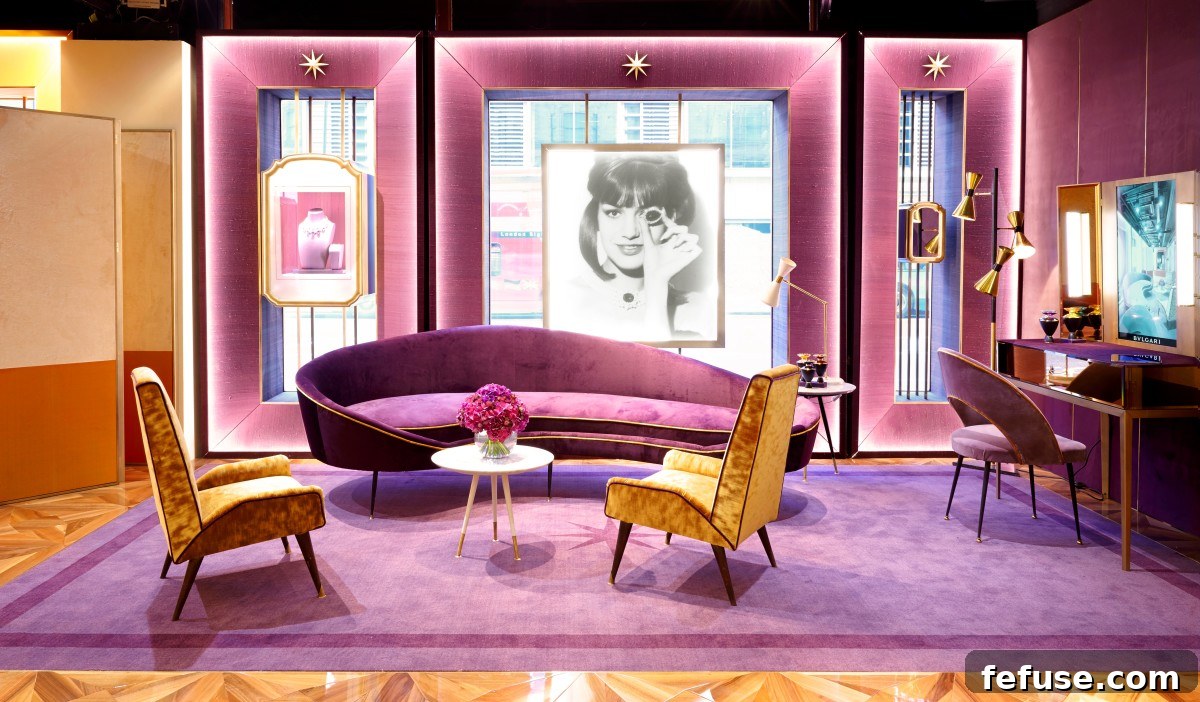
Colliers International’s analysis spans over 30 distinct online brands across the expansive EMEA (Europe, Middle East, and Africa) region that are actively adopting this innovative ‘showrooomer’ model. While the report offers a broad perspective, its implications resonate particularly strongly within sectors where the tactile experience and personalized interaction are paramount, such as the jewellery industry. In the past 12 months alone, there has been a significant surge in previously online-exclusive jewellers and distinguished jewellery brands establishing dedicated showrooms and prestigious flagship stores. Concurrently, various online jewellery platforms have successfully orchestrated pop-up events, explicitly curated to facilitate direct engagement and cultivate personal relationships with their discerning consumer base.
The Strategic Rationale: Why Online Brands Are Going Offline
Paul Souber, co-head EMEA retail at Colliers, offers profound insights into the underlying rationale for this strategic metamorphosis. He states, “With the rate of web sales forecast to level out over the next four years, many e-retailers have identified ‘showrooms’ as one of the remedies to a decline in profits.” Souber further elaborates on the multifaceted advantages these physical environments bestow: “Increasingly ‘showrooms’ in physical shopping environments both generate online sales, raise awareness of their company, promote brand loyalty and offer the customer an opportunity to see, touch and feel the products.” Let’s explore these pivotal strategic imperatives in greater detail:
1. Elevating the Customer Experience and Cultivating Trust
In the vast expanse of the digital realm, establishing profound trust can often be an arduous task. While high-resolution imagery, detailed product descriptions, and glowing online reviews are invaluable, they inherently cannot fully replicate the tangible, multi-sensory experience of interacting directly with a product. Physical showrooms bridge this critical gap, providing an invaluable opportunity for customers to engage with products in a visceral manner. This immersive sensory interaction—seeing the authentic color and sheen, feeling the intricate texture, assessing the meticulous quality, and experiencing the true scale—significantly augments customer confidence. For high-value items, or products where personal fit, comfort, and sensory appeal are paramount, this direct engagement transforms a tentative consideration into a confident purchasing decision, thereby substantially reducing return rates and enhancing overall customer satisfaction.
2. Fortifying Brand Awareness and Shaping Identity
Within the boundless digital landscape, brands can often struggle to differentiate themselves amidst a multitude of competitors. A physical showroom acts as a tangible, compelling manifestation of a brand’s unique identity, values, and narrative. It empowers retailers to meticulously curate an immersive brand experience, extending from the store’s architectural aesthetics and interior design to the nuanced interactions provided by the customer service team. This physical presence indelibly etches a memorable impression that transcends the ephemeral nature of the digital realm, fostering stronger brand recognition, heightened recall, and distinct market positioning. It serves as a powerful declaration of presence and unwavering commitment, enabling brands to conspicuously stand out in a congested market and cultivate a unique, resonant personality that deeply connects with consumers.
3. Nurturing Profound Customer Loyalty and Engagement
Enduring customer loyalty is meticulously built upon authentic relationships, and while digital interactions can be remarkably efficient, the most profound personal connections are frequently forged through face-to-face encounters. Showrooms furnish an unparalleled platform for meaningful dialogue and empathetic interaction between customers and knowledgeable brand representatives. Expertly trained staff can offer highly personalized advice, meticulously address intricate queries, and provide tailored recommendations, thereby elevating the customer service experience far beyond the capabilities typically achievable online. This personalized, human-centric approach transmutes a purely transactional interaction into a genuine relationship, meticulously nurturing loyalty and actively encouraging repeat purchases, irrespective of whether they occur online or physically in-store.
4. The Omnichannel Advantage: Creating Seamless Journeys
Today’s sophisticated consumers navigate seamlessly across multiple channels – browsing products on their mobile devices, conducting in-depth research on desktop computers, and experiencing items in physical stores. The showroom model masterfully facilitates a truly omnichannel experience, meticulously unifying these disparate touchpoints. Customers can confidently try products in-store, glean comprehensive information from attentive staff, and subsequently complete their purchase online at their utmost convenience, or vice-versa. This unparalleled flexibility caters to the diverse and evolving shopping preferences of modern consumers, ensuring an uninterrupted and fluid journey regardless of where or how the customer chooses to interact with the brand. It effectively dismantles potential friction points between the digital and physical realms, meticulously crafting a harmonious and highly efficient retail ecosystem.
The Jewellery Sector: A Quintessential Case for Showrooming
The jewellery sector stands as a preeminent example where the showroom concept offers distinctive and unparalleled advantages. As the Colliers report implicitly suggests, there is an inherent and widely recognized understanding that whether consumers ultimately finalize a purchase online or in-store, they almost invariably desire and require the opportunity to physically try on a piece at least once before committing to a significant decision. This intrinsic need for tangible interaction is particularly crucial for emotionally charged purchases such as bridal jewellery and other high-value luxury items, where the emotional investment, aesthetic appeal, and financial commitment are exceptionally substantial.
Consider the prospect of acquiring an engagement ring, a bespoke necklace, or a luxury watch based solely on digital images. While high-resolution photography can be visually stunning and highly informative, it inherently cannot convey the true, scintillating sparkle, the specific gravitational weight, the intricate nuances of craftsmanship, or the precise tactile sensation of how a piece feels on the skin. A physical showroom empowers prospective buyers to engage with these critical dimensions:
- Experience the Unrivalled Brilliance: Observe firsthand how meticulously cut diamonds capture and refract light, appreciate the rich luster of precious metals, or marvel at the vibrant, authentic hues of rare gemstones in a real-world setting.
- Assess Perfect Fit and Unwavering Comfort: Physically try on rings, necklaces, bracelets, and earrings to meticulously ensure they fit impeccably and provide supreme comfort for prolonged wear.
- Gauge Accurate Scale and Proportions: Comprehend the actual size, physical presence, and visual impact of a piece, which can frequently be misleading or distorted in two-dimensional images.
- Feel the Undeniable Quality: Tactilely appreciate the substantial weight, the exquisite finish, and the superior craftsmanship that unequivocally signifies luxury, durability, and intrinsic value.
- Seek Expert, Personalized Advice: Engage in meaningful consultation with highly knowledgeable and experienced staff who can eloquently explain the intricacies of different cuts, clarity grades, metal alloys, and provide detailed insights into ethical sourcing and authenticity.
- Share a Cherished Moment: For monumentally significant purchases like bridal jewellery, the physical experience of trying on and collaboratively selecting pieces often transforms into a deeply cherished and unforgettable memory, frequently shared with loved ones, adding an irreplaceable emotional layer to the transaction.
These profound sensory and emotional dimensions are simply irreplaceable by purely digital means. Showrooms within the jewellery industry therefore transcend mere sales facilitation; they meticulously craft an immersive experience, meticulously build trust in high-value transactions, and profoundly transform a purchase into a memorable and emotionally resonant event.
Beyond Jewellery: Broadening Applications and Envisioning the Future
While the jewellery sector offers a compelling and illustrative case study, the innovative ‘showrooming’ model holds significant promise and applicability across a vast spectrum of industries. From fashion and apparel, where the precise fit, luxurious fabric, and tactile drape are paramount, to furniture and home goods, where scale, texture, and physical presence are decisive factors, and even high-tech gadgets, where hands-on demonstration and intuitive interaction profoundly enhance understanding – the fundamental principle remains steadfast: meticulously combining the unparalleled convenience and efficiency of online shopping with the irrefutable assurance, sensory experience, and personalized interaction of a physical environment.
The trajectory of retail is unmistakably omnichannel, where the traditional distinctions between online and offline channels are progressively blurring and converging. Forward-thinking retailers are no longer compelled to choose one channel over the other but are instead strategically integrating both to meticulously engineer a cohesive, superior, and friction-less customer journey. Showrooms represent a pivotal cornerstone of this overarching strategy, offering a flexible, adaptable, and highly responsive solution to the constantly evolving expectations of modern consumers and the dynamic shifts in market demands. As e-commerce continues its journey of maturation, the innovative and seamless integration of physical spaces will not only sustain growth but also fundamentally redefine what it means to shop, fostering deeper, more authentic connections between brands and their valued customers in a truly engaging, human-centric, and experiential manner.