
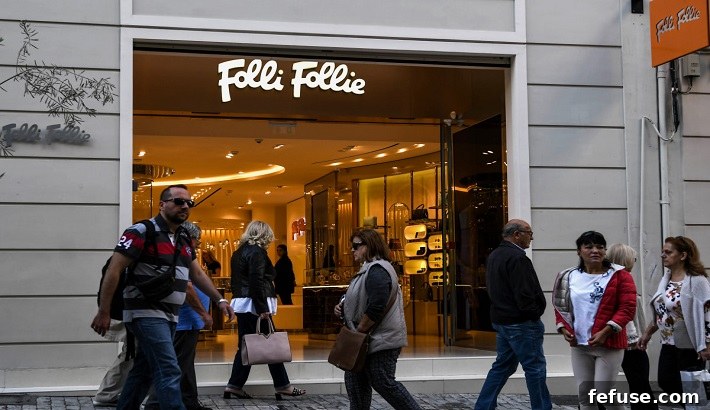
Folli Follie’s Fight for Survival: Navigating the FF Group’s Multi-Million Euro Restructuring
In a critical development for the beleaguered Greek jewellery and accessories retailer, Folli Follie, operating under the FF Group, a significant preliminary agreement has been forged with a key group of its creditors. This landmark deal outlines a comprehensive rescue plan designed to pull the company back from the brink of financial collapse, following a protracted and severe crisis stemming from revelations of accounting irregularities and a mountain of debt.
The path to this preliminary agreement has been exceptionally challenging. For over a year, the FF Group has grappled with immense difficulties in fulfilling its basic financial obligations, including payments to its extensive network of suppliers and its dedicated workforce, all while striving to maintain its business operations amidst intense scrutiny. The genesis of this dramatic downfall can be traced back to May of the previous year, when a scathing report from a hedge fund publicly questioned the company’s accounting practices, alleging substantial misrepresentation of sales figures across its global operations.
The Unraveling of a Retail Empire: From Scandal to Suspension
The accusations brought forth by the hedge fund report sent shockwaves through the financial markets and irrevocably damaged Folli Follie’s esteemed reputation and market standing. The immediate repercussions were severe and far-reaching: trading of the company’s shares on the stock exchange was swiftly and indefinitely suspended, reflecting a profound loss of investor confidence and market trust. In addition, the Hellenic Capital Market Commission (HCMC), Greece’s vigilant securities watchdog, took decisive action, imposing significant fines on the company for its alleged financial misconduct and lack of transparency.
The growing scandal also necessitated a dramatic overhaul at the highest echelons of the company’s leadership. Founders Dimitris Koutsolioutsos and his wife, Ekaterini, who had for decades been synonymous with Folli Follie’s brand identity and strategic direction, tendered their resignations from their pivotal roles as chairman and vice chairperson, respectively. Their departure underscored the immense pressure exerted by the crisis and the imperative for new leadership to navigate the stormy waters ahead.
The Staggering Scale of Financial Misrepresentation
The true, alarming extent of Folli Follie’s financial predicament was laid bare in July, with the much-anticipated release of its long-delayed, audited financial statements for the year 2017. These meticulously reviewed documents revealed a shocking reality: the FF Group had systematically overstated its annual revenue by an astonishing figure exceeding 1 billion euros. This revelation painted a stark and sobering picture of the company’s actual financial health, exposing a level of misrepresentation that profoundly shook investor confidence and raised serious questions about corporate governance.
With its credibility in tatters and facing an existential threat, the company was compelled to rapidly devise and present a revised, viable scheme to its bondholders. This urgent action became necessary after a previous restructuring proposal had collapsed, highlighting the critical need for a robust and credible plan to address its substantial and burgeoning debt obligations.
Navigating the Debt Crisis: Complex Negotiations and Creditor Consensus
The FF Group currently shoulders an outstanding debt burden estimated at approximately 430 million euros. A significant portion of this debt is slated for maturity within the current year and extending into 2021. The successful implementation of any rescue strategy is inextricably linked to securing the decisive consent of a substantial majority of its creditors. Specifically, the company is mandated to obtain at least 60% approval from its diverse creditor base before it can formally submit the proposed restructuring plan to the Greek courts for essential legal ratification and enforcement.
For many arduous months, Folli Follie has been engaged in protracted and often highly contentious negotiations with its numerous groups of bondholders and other financial creditors. These extensive discussions reached a pivotal milestone recently, as the company announced late on a Tuesday that it had achieved an “agreement in principle” regarding the fundamental terms of its financial restructuring. This crucial preliminary deal was hammered out with a significant group of unsecured creditors, marking a tangible and essential step forward in the company’s complex financial overhaul.
In parallel to these negotiations, Folli Follie has also maintained consistent and “regular discussions” with another vital segment of its creditors: those holding approximately 34% of its 130 million euros in Swiss notes, which are set to mature in 2021. When the support from this group of Swiss note holders is combined with that of the unsecured creditors, they collectively represent a substantial 41.2 percent of the FF Group’s total outstanding debt. While this percentage has not yet reached the critical 60% threshold required for judicial approval, it unequivocally demonstrates significant progress in building the necessary consensus for the company’s long-term survival.
The Core Pillars of Folli Follie’s Comprehensive Rescue Plan
The meticulously designed restructuring plan put forth by the FF Group is multifaceted, strategically engineered to achieve dual objectives: to decisively stabilize the company’s precarious financial standing and to rigorously streamline its operational framework for sustainable future viability. The key components of this ambitious recovery blueprint include:
- Strategic Operational Streamlining and Store Closures: A foundational element of the plan involves the systematic closure of loss-making stores across its extensive retail network. This difficult yet indispensable measure aims to halt the bleeding of operational losses, significantly reduce overhead expenses, and strategically re-allocate resources towards more profitable ventures. The ultimate objective is to cultivate a leaner, more agile, and ultimately more efficient retail footprint, capable of fostering sustainable growth in a competitive market.
- Establishment of a New, Wholly-Owned Entity for Core Assets: A central tenet of the restructuring strategy is the proposal to meticulously transfer all core business assets into a newly established corporate entity. This new company will remain entirely owned by Folli Follie, serving as a clean slate for its operational heart. This strategic maneuver is commonly employed in large-scale corporate restructurings to effectively segregate valuable, operational assets from the heavily indebted parent company, thereby potentially insulating them from immediate creditor claims and enabling the ‘clean’ business to continue its essential operations with a renewed and unburdened focus.
- Transfer of Non-Core and Real Estate Assets to Creditors: As an integral part of the arrangement to partially satisfy its numerous creditors, a portfolio of non-core assets along with a significant collection of real estate holdings, possessing an estimated market value of approximately 90 million euros, will be directly transferred to the creditors. This strategic exchange of assets for debt provides tangible value and compensation to creditors, simultaneously helping to substantially reduce the overall debt burden on the newly restructured entity and paving the way for its financial recovery.
The Argument for a Favorable Outcome: Avoiding Bankruptcy’s Long Shadow
Folli Follie has consistently and adamantly asserted that this meticulously crafted restructuring plan offers a profoundly more beneficial outcome for its creditors when juxtaposed against alternative, more drastic scenarios, such as an orderly wind-down of operations or outright bankruptcy. In the unfortunate event of such liquidation scenarios, the company’s projections indicate an arduous and extended period, potentially spanning five to seven years, before creditors could even begin the process of recovering their capital. Furthermore, even after such a prolonged wait, the recovered amount would likely represent only a fraction of their initial investments, leading to significant losses.
Therefore, the current proposed plan is presented not merely as an option, but as a pragmatic, efficient, and ultimately superior pathway designed to maximize creditor recovery within a significantly more reasonable timeframe. Concurrently, it offers the crucial prospect of preserving a viable and operational business entity in the long term, protecting jobs and brand legacy where possible.
The Wider Repercussions: International Impact and the Demise of Links of London
The seismic reverberations of the Folli Follie scandal were by no means confined to the borders of Greece; they spread globally, inflicting significant collateral damage upon other well-known brands that operated under the vast umbrella of the FF Group. One of the most prominent and regrettable casualties of this far-reaching crisis was the beloved and iconic British jewellery brand, Links of London.
Links of London, a highly esteemed name within the UK’s luxury jewellery market, had been strategically acquired by the FF Group in 2006. For many years, it served as a key and successful component of the Greek conglomerate’s ambitious international brand portfolio. However, as the profound financial crisis engulfed its parent company, Links of London found itself increasingly unable to contend with the relentless pressures of dwindling cash flow, a severe lack of financial support, and a rapidly deteriorating operational environment. Despite its strong brand recognition, established heritage, and once-loyal customer base, the British brand ultimately had “no choice” but to formally call in the administrators. This drastic action signaled the definitive end of an era for a once-thriving high-street fixture, vividly illustrating the devastating and wide-ranging consequences of major corporate financial misconduct and systemic collapse.
The Road Ahead: Navigating Challenges Towards Potential Recovery
While the preliminary agreement struck with creditors undeniably represents a crucial and optimistic step forward for Folli Follie, the comprehensive path to full financial recovery remains long, arduous, and fraught with significant challenges. The company still faces the imperative task of securing the critical 60% creditor approval to formally legalize the restructuring plan through the Greek courts. Beyond this immediate hurdle, the actual implementation of the restructuring blueprint will demand meticulous precision, unwavering discipline, and the courage to make tough decisions, particularly concerning ongoing store closures, the complex transfer of assets, and fundamental operational overhauls.
The Folli Follie Group’s dramatic predicament serves as a stark and powerful reminder of the paramount importance of corporate transparency, the absolute necessity of robust and ethical accounting practices, and the diligent exercise of oversight in all business operations. For a company that once stood as a shining beacon of Greek retail success and entrepreneurial spirit, its current struggle is a potent testament to the inherent fragility of trust within financial markets and the devastating, widespread impact that financial irregularities can inflict. Should this ambitious rescue plan ultimately succeed, it would not only signify a vital lifeline for Folli Follie but also offer a compelling glimmer of hope, demonstrating that even after profound and damaging corporate crises, a credible path to renewed viability can indeed be forged through decisive action, transparent governance, and collaborative efforts with all stakeholders.