
Princess Mako’s Unprecedented Path to Matrimony: A Royal Saga Unfolds
The journey of Japan’s Princess Mako, niece of Emperor Naruhito, towards matrimony has captivated global attention since her engagement announcement in 2017. What began as a joyous occasion quickly evolved into a complex narrative, marked by delays, public scrutiny, personal sacrifice, and an unprecedented departure from age-old imperial traditions. Four years later, as she prepares to marry her university sweetheart, Kei Komuro, the world watches a modern princess navigate a path dramatically different from any imperial predecessor, raising profound questions about the future of the Chrysanthemum Throne and the human cost of royal duty.
This is not merely a tale of a royal wedding; it’s a window into the evolving dynamics of one of the world’s oldest monarchies, grappling with tradition, public perception, and the personal well-being of its members. Princess Mako’s steadfast resolve to marry Komuro, despite immense pressure, has highlighted the intense scrutiny faced by the Japanese Imperial Family and underscored the unique challenges that come with life inside the Imperial Palace walls.
The Initial Announcement and Public Enthusiasm
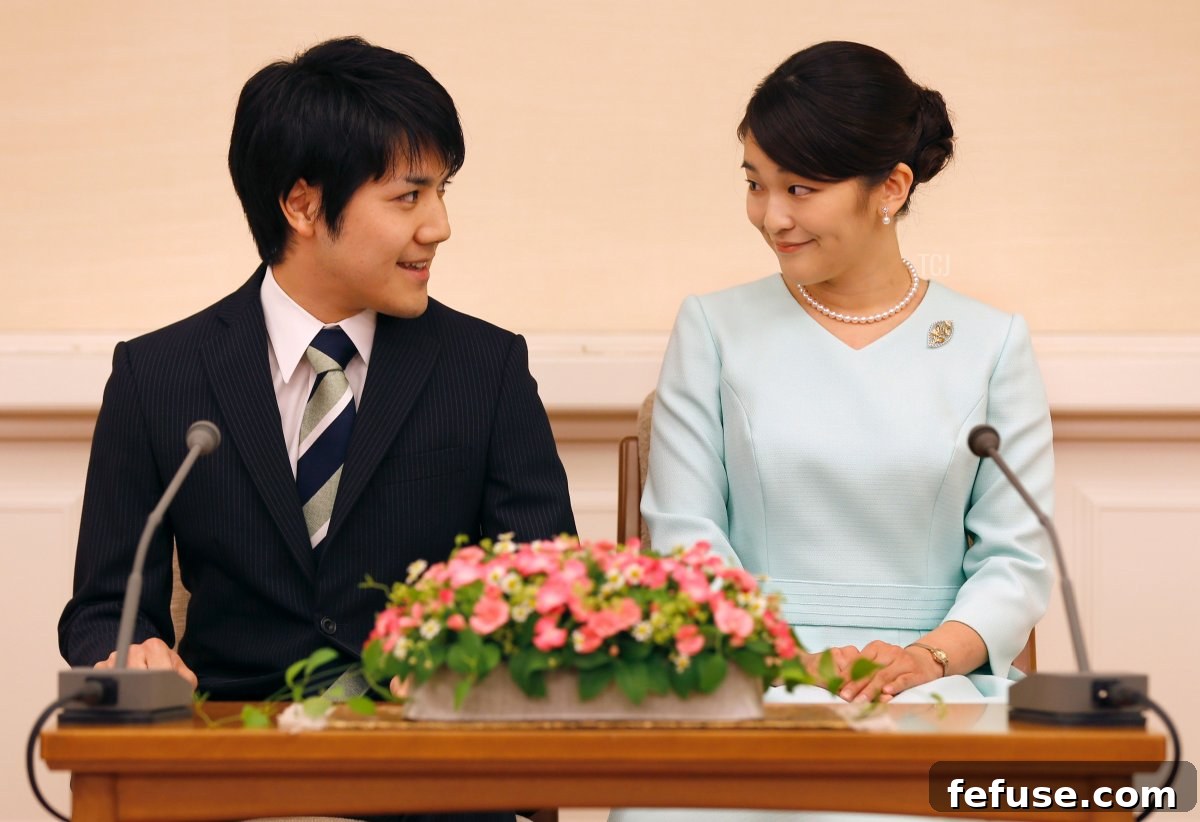
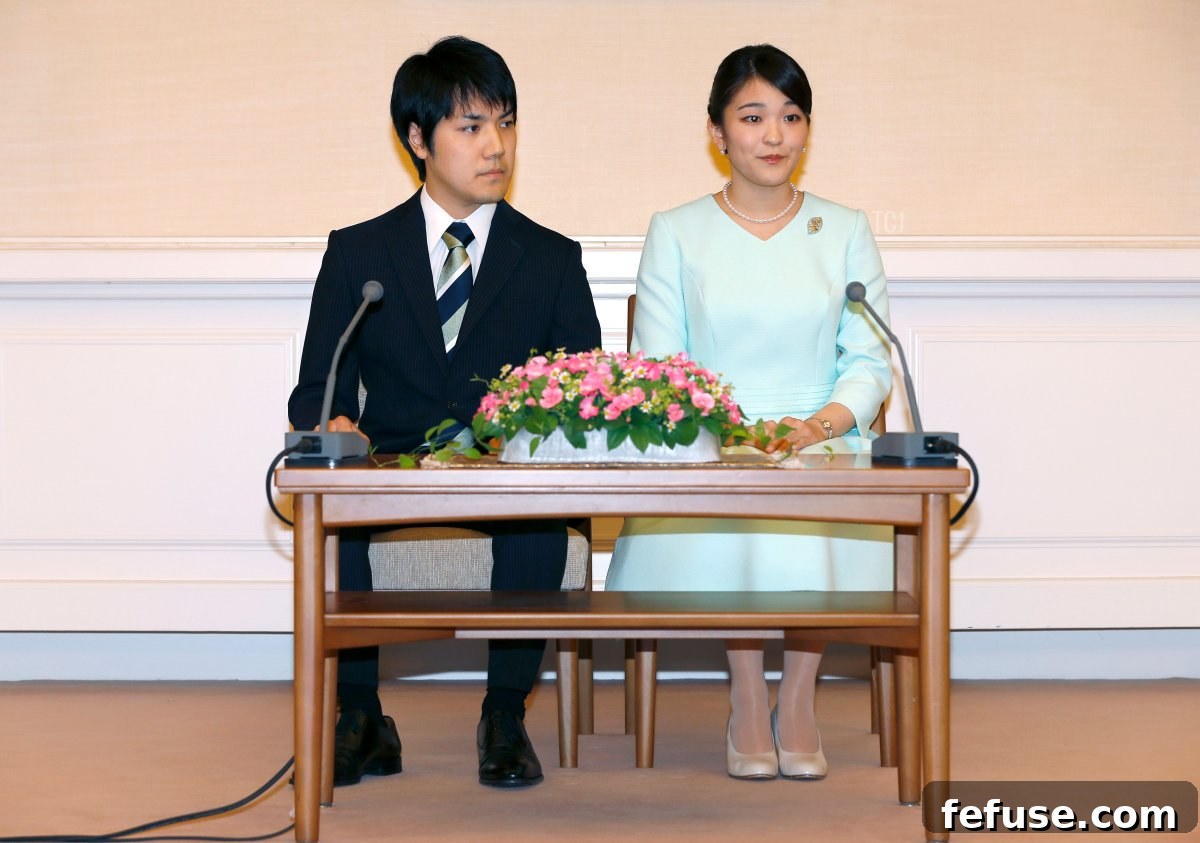
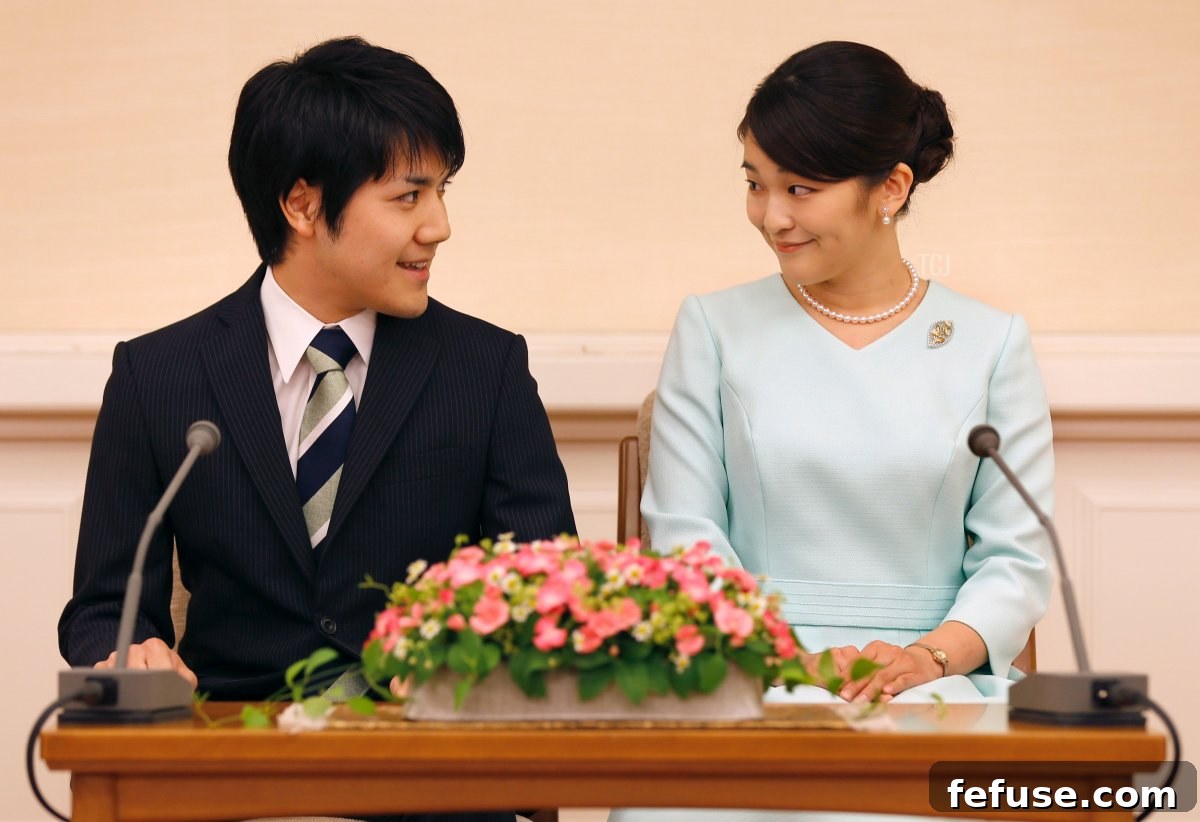
On September 3, 2017, Princess Mako, the eldest daughter of Crown Prince Akishino and Princess Kiko, appeared alongside her fiancé, Kei Komuro, at the Akasaka East Residence in Tokyo for a highly anticipated press conference. Their radiant smiles filled the room as they officially announced their engagement, sparking a wave of excitement across Japan and among royal watchers worldwide. The couple revealed they had met as students at International Christian University and had been “unofficially” engaged for four years prior, maintaining a discreet relationship that allowed their bond to deepen away from the public eye.
Komuro, then working at a law firm in Tokyo, represented a modern pairing for an imperial princess. Princess Mako, while diligently fulfilling her imperial duties, also pursued a career as a museum researcher, showcasing a contemporary blend of tradition and personal ambition. The initial plans were set for a wedding in November 2018, a timeline that seemed perfectly natural for a young couple ready to embark on their shared future. The public eagerly awaited what promised to be another grand imperial wedding, replete with ancient rituals and celebratory public appearances.
Unexpected Postponement: A Halt to Royal Plans
However, early in 2018, the joyous anticipation abruptly shifted when the Imperial Household Agency (IHA) announced the postponement of the impending nuptials. Speaking through the IHA, Princess Mako herself addressed the public, citing a “lack of time to make sufficient preparations” for the elaborate imperial ceremony. She candidly added, “We believe we have rushed various things. I wish to think about marriage more deeply and concretely and give sufficient time to prepare our marriage and for after the marriage.” The princess also referenced the couple’s perceived “immaturity” and a desire to wait until a “series of ceremonies important for the Imperial family have ended smoothly.”
This latter point was a significant factor, as Japan was then preparing for a historic transition: the abdication of Emperor Akihito and the subsequent enthronement of her uncle, Emperor Naruhito. These events, steeped in centuries of tradition and vital for the continuity of the Chrysanthemum Throne, required immense planning and focus from the Imperial Family. While these reasons were publicly stated, many speculated that deeper issues were at play, hinting at the financial controversy that would soon fully emerge and overshadow the romantic narrative.
The Financial Controversy and Public Scrutiny
Indeed, beneath Princess Mako’s public statement, a more intricate problem simmered: a financial dispute involving Komuro’s mother. Reports surfaced detailing an alleged debt of approximately four million yen (roughly $36,000 USD) owed to her former fiancé. While Komuro’s mother maintained the money had been a gift, part of which was used for her son’s education, her ex-fiancé insisted it was a loan that needed repayment. In Japan, where the Imperial Family is held to an exceptionally high moral and ethical standard, this private dispute quickly escalated into a national concern.
The public, acutely aware of the Imperial Family’s revered status, questioned Komuro’s suitability as a royal spouse. Some viewed the situation as a potential “money grab,” fueling skepticism and concern about the Komuro family’s integrity. Crown Prince Fumihito, Princess Mako’s father, explicitly stated in November 2018 that he believed the financial issue needed resolution before the marriage could proceed. Komuro attempted to quell public anxieties with statements in April 2018 and January 2019, asserting that a resolution had been achieved. In a significant move, in August 2020, Komuro left Japan for New York to pursue advanced law studies at Fordham University, a decision many saw as an attempt to distance himself from the controversy and build an independent career. However, public unease persisted, keeping the couple’s future in limbo.
The Personal Toll: Princess Mako’s Battle with PTSD
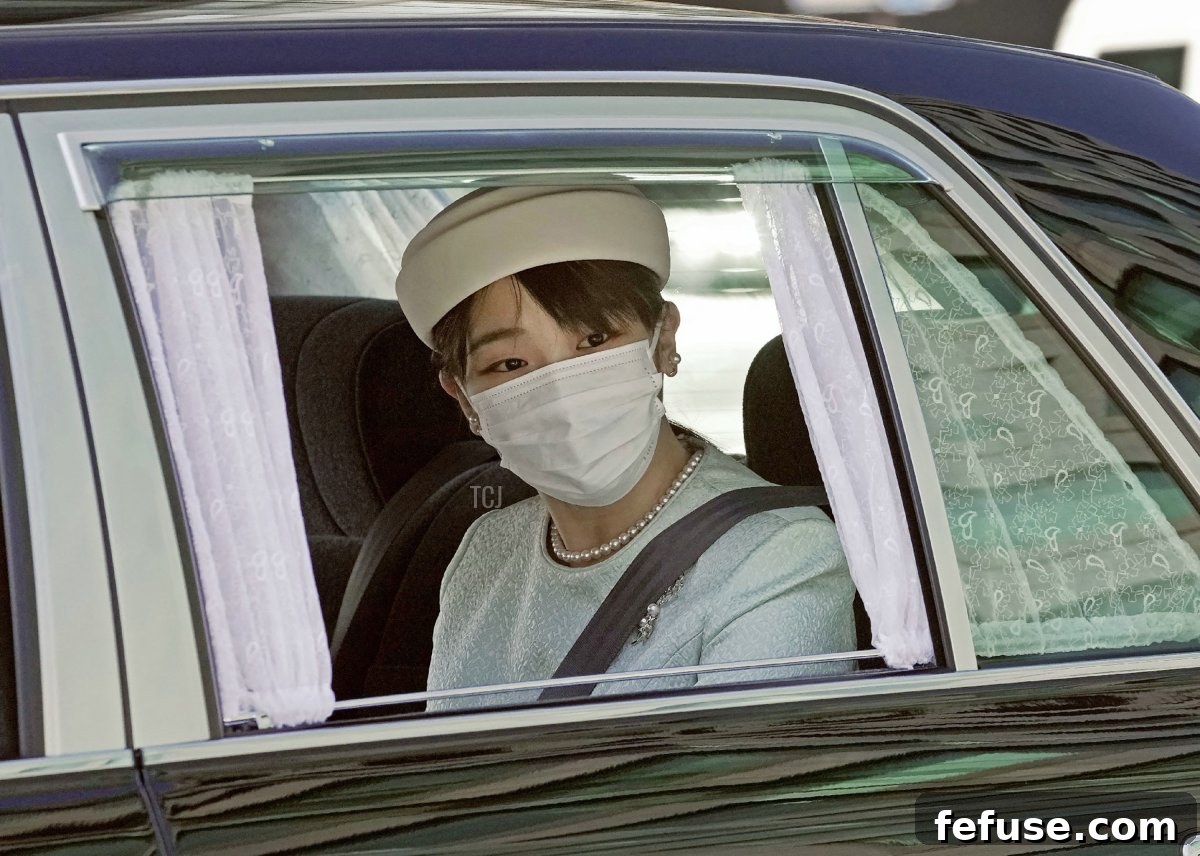
While the protracted discussions and public debate swirled around her future marriage and her fiancé’s family finances, Princess Mako continued to carry out her duties as a vital member of the Imperial Family. She represented Japan both domestically and abroad, maintaining a facade of serene dedication. However, beneath this stoic exterior, the relentless public commentary and scrutiny took a severe toll on her mental health. It was revealed in recent weeks that Princess Mako had developed complex post-traumatic stress disorder (PTSD) due to the sustained pressure.
During a press conference last week, Mako’s psychiatrist disclosed the princess’s struggle, stating that she had been “subject to prolonged and repetitive instances of what she felt as slander against her and her family as well as her future husband and his family, and she had been unable to escape from it.” This diagnosis brought a sobering reality to the public’s perception of the situation, highlighting the immense psychological burden placed upon members of the Imperial Family, whose lives are constantly under public microscope, with every decision and association subject to intense examination and often, harsh criticism.
A “Necessary Choice”: Mako’s Resolve and Parental Reluctance
Even as Princess Mako diligently performed her public engagements, she privately endured profound distress from the uncertainty surrounding her marriage and the constant public scrutiny. Her psychiatrist further elaborated that Mako “[felt] pessimistic and [found] it difficult to feel happy due to the persistent fear of her life being destroyed.” This stark portrayal of her emotional state underscored the profound personal sacrifice involved in her royal position.
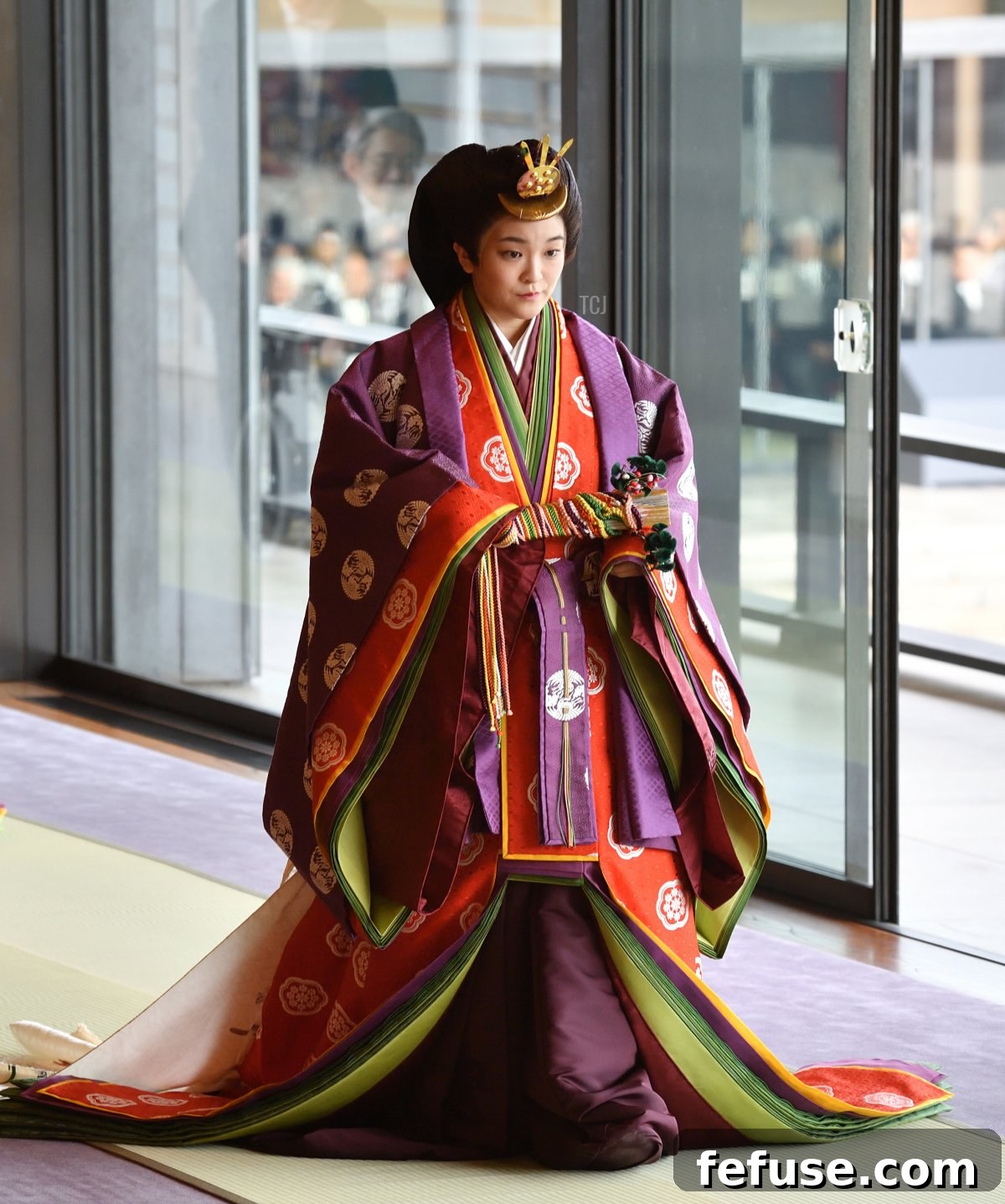
In November 2020, following Emperor Naruhito’s enthronement ceremonies, Princess Mako released another statement through the IHA, signaling her firm resolve: “It is still difficult to announce something specific at this time, but we will consult with our families in order to proceed with the marriage,” she declared, unequivocally calling the decision to marry Komuro a “necessary choice.” Just days later, her father, Crown Prince Fumihito, publicly addressed the situation during remarks for his 55th birthday. While acknowledging his parental respect for her wishes—”If that is what they really want, then I think that is something I need to respect as a parent”—he also voiced a significant caveat: “I think it’s not the case that many people approve and are happy about it.” His words highlighted the deep conflict between personal desires and public expectation that has plagued this royal romance. In a renewed effort to appease public sentiment, Komuro issued yet another statement in April 2021, reiterating his intention to resolve and repay any financial obligations, hoping to pave the way for their union.
A Diplomatic Role and the Future of the Chrysanthemum Throne
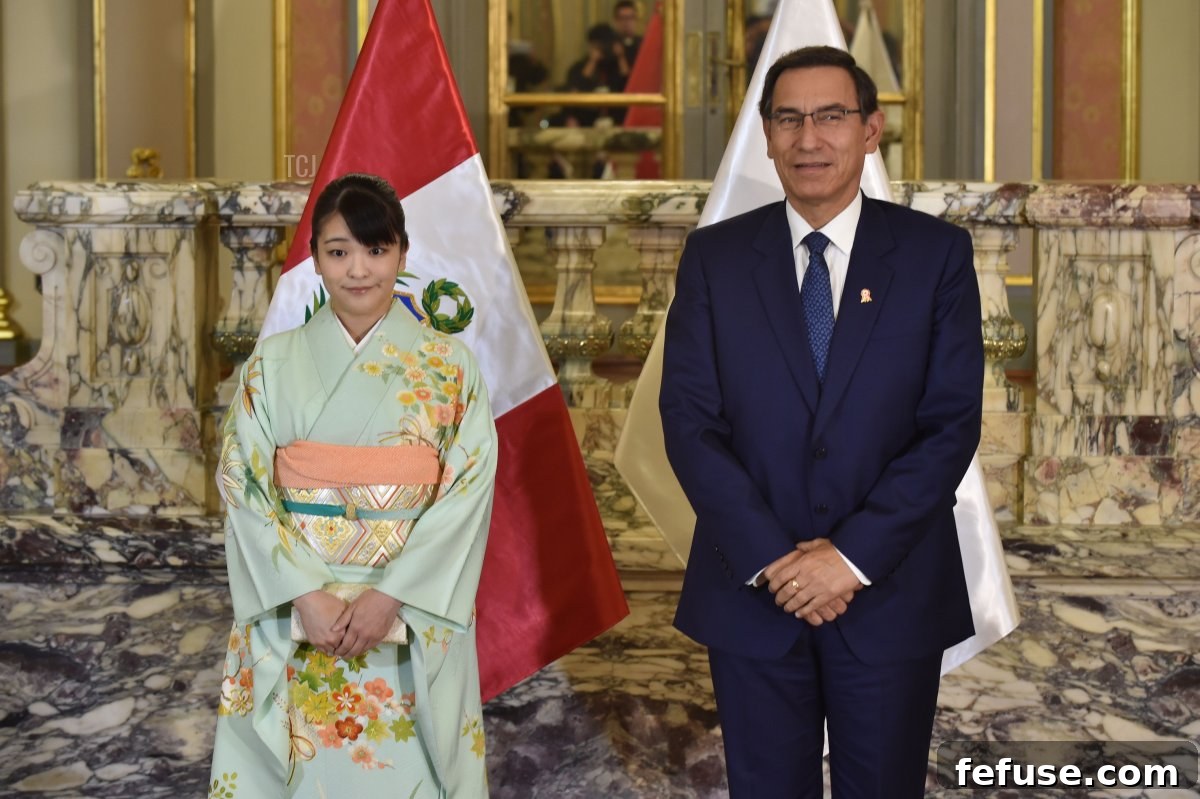
Since coming of age in October 2011, Princess Mako has been an exemplary ambassador for Japan and the Imperial Family, undertaking numerous diplomatic engagements abroad. She has traveled extensively, making solo appearances in various foreign countries, including Peru, El Salvador, Honduras, Paraguay, Bolivia, Hungary, Bhutan, and Brazil, diligently representing her nation with grace and dedication. Her commitment to her royal duties has been unwavering, even amidst her personal struggles.
However, Mako’s marriage has also cast a sharp spotlight on a much larger, looming crisis for the Japanese monarchy: the dwindling number of male heirs and the rigid Imperial House Law that prevents women from inheriting the throne. Currently, Emperor Naruhito has no sons, making his brother, Crown Prince Fumihito, the current heir. Fumihito has one son, Prince Hisahito (Mako’s younger brother), who is next in line. Beyond Hisahito, the only other male member of the Imperial Family is the Emperor’s 85-year-old uncle, Prince Hitachi. All other family members are female, and crucially, princesses who marry commoners—their only marital option since the abolition of aristocracy post-World War II—must relinquish their imperial status and titles. This creates a precarious future for the Chrysanthemum Throne, raising the real possibility that Prince Hisahito might one day inherit the throne with insufficient family members to support him or carry out essential royal duties, thereby threatening the very continuity of the Imperial Family.
A Modified Wedding: A Break from Tradition
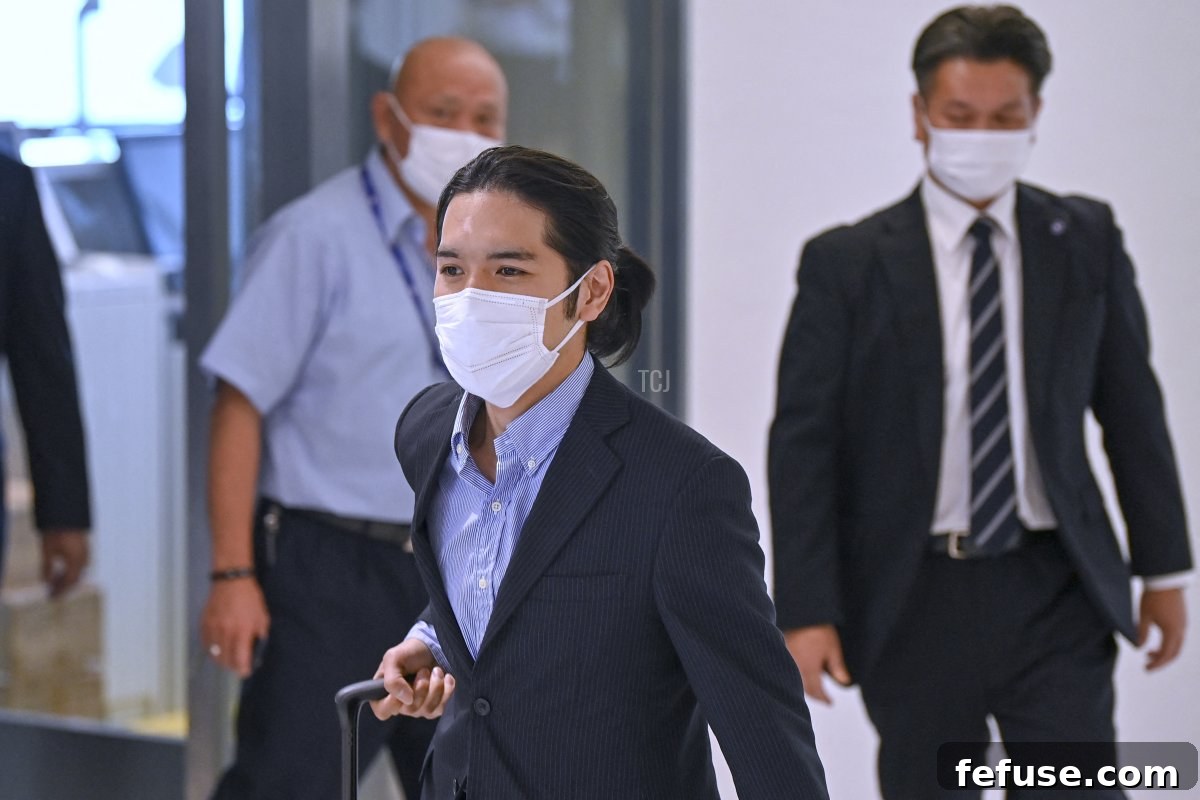
The urgency of the succession crisis has prompted ongoing discussions among Japanese lawmakers about potential reforms. While allowing female members to inherit the throne remains a contentious and largely stalled debate, there are growing calls to permit princesses to retain their imperial status and duties even after marrying commoners. So far, however, none of these proposed changes will apply to Princess Mako and Kei Komuro’s upcoming marriage. On Friday, October 1, the Imperial Household Agency officially announced that the marriage would indeed proceed, marking a bittersweet victory for the determined couple. Komuro, having recently graduated from Fordham University and taken his bar exam, flew back to Japan from New York, his return marked by much public comment, even concerning his new ponytail hairstyle.
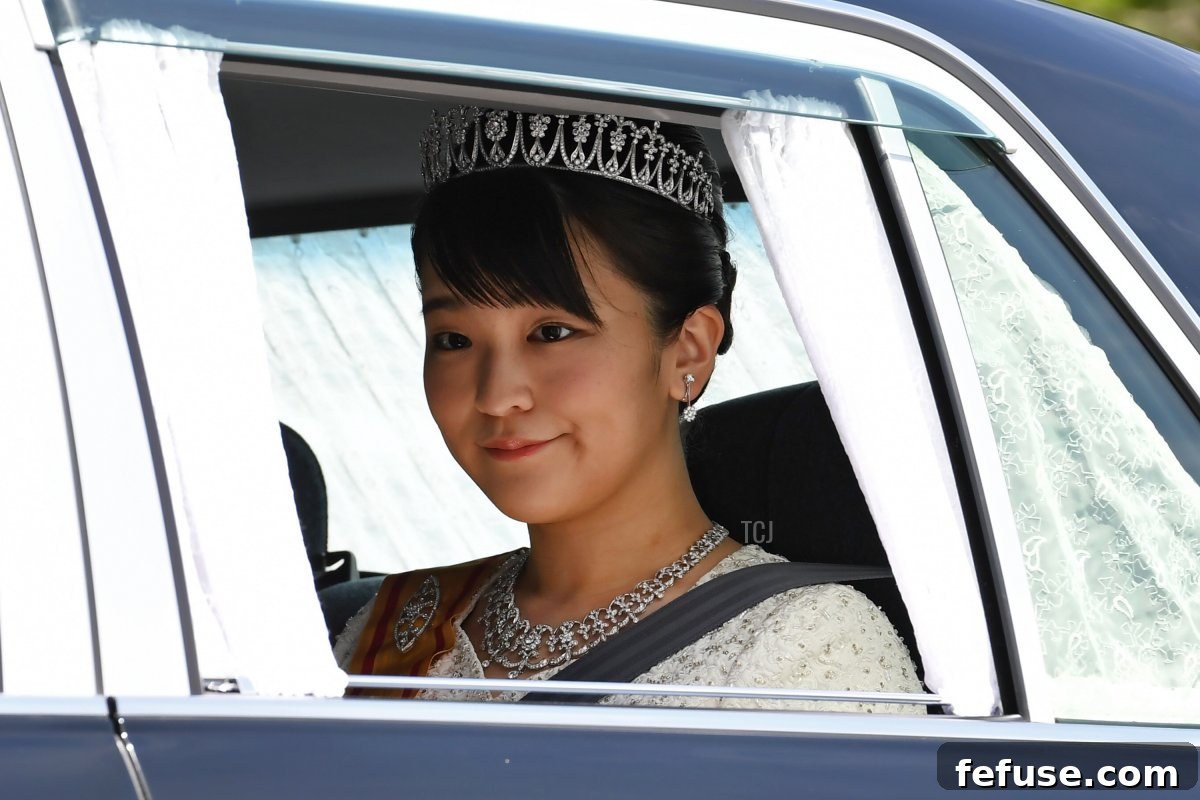
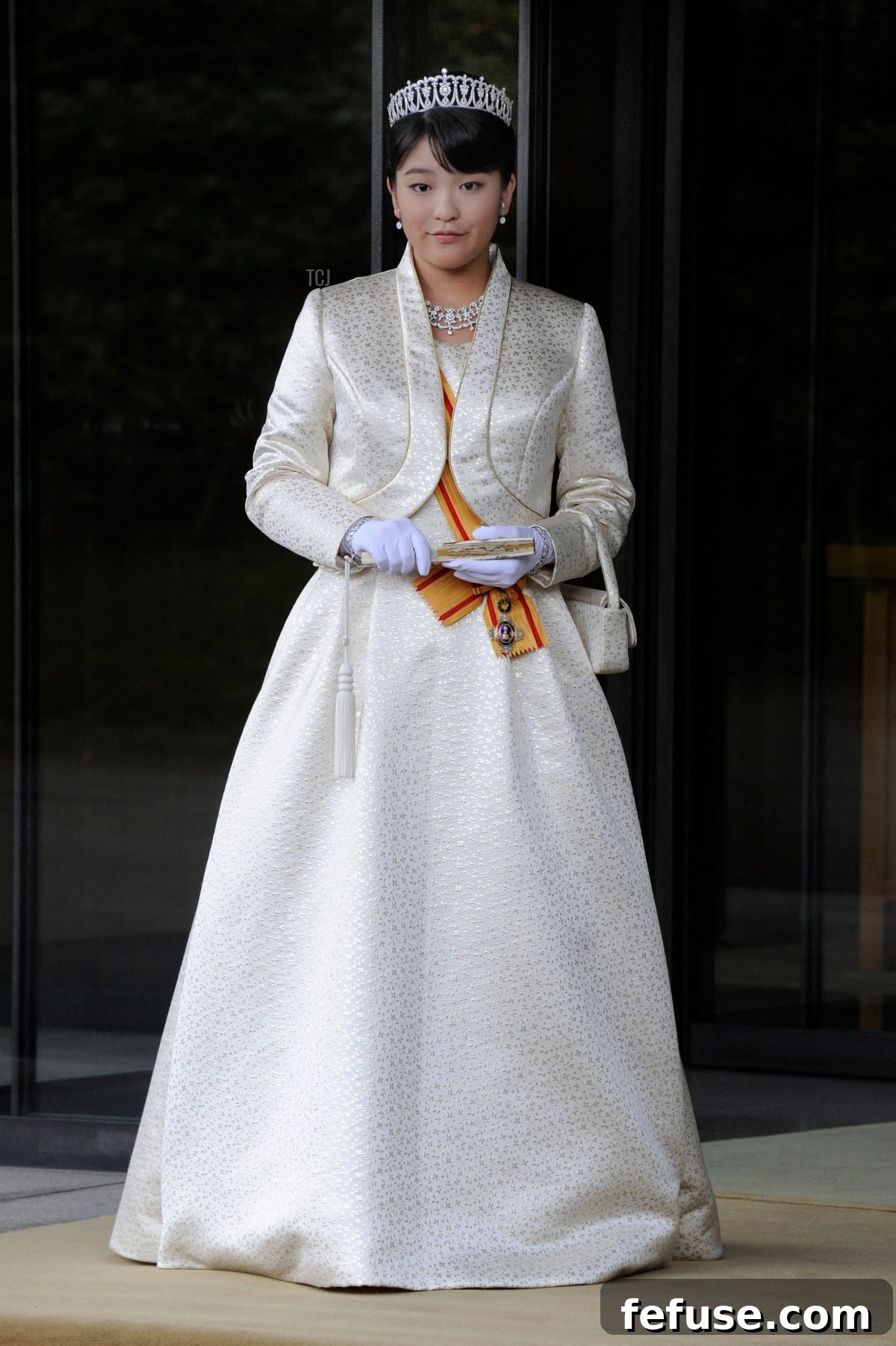
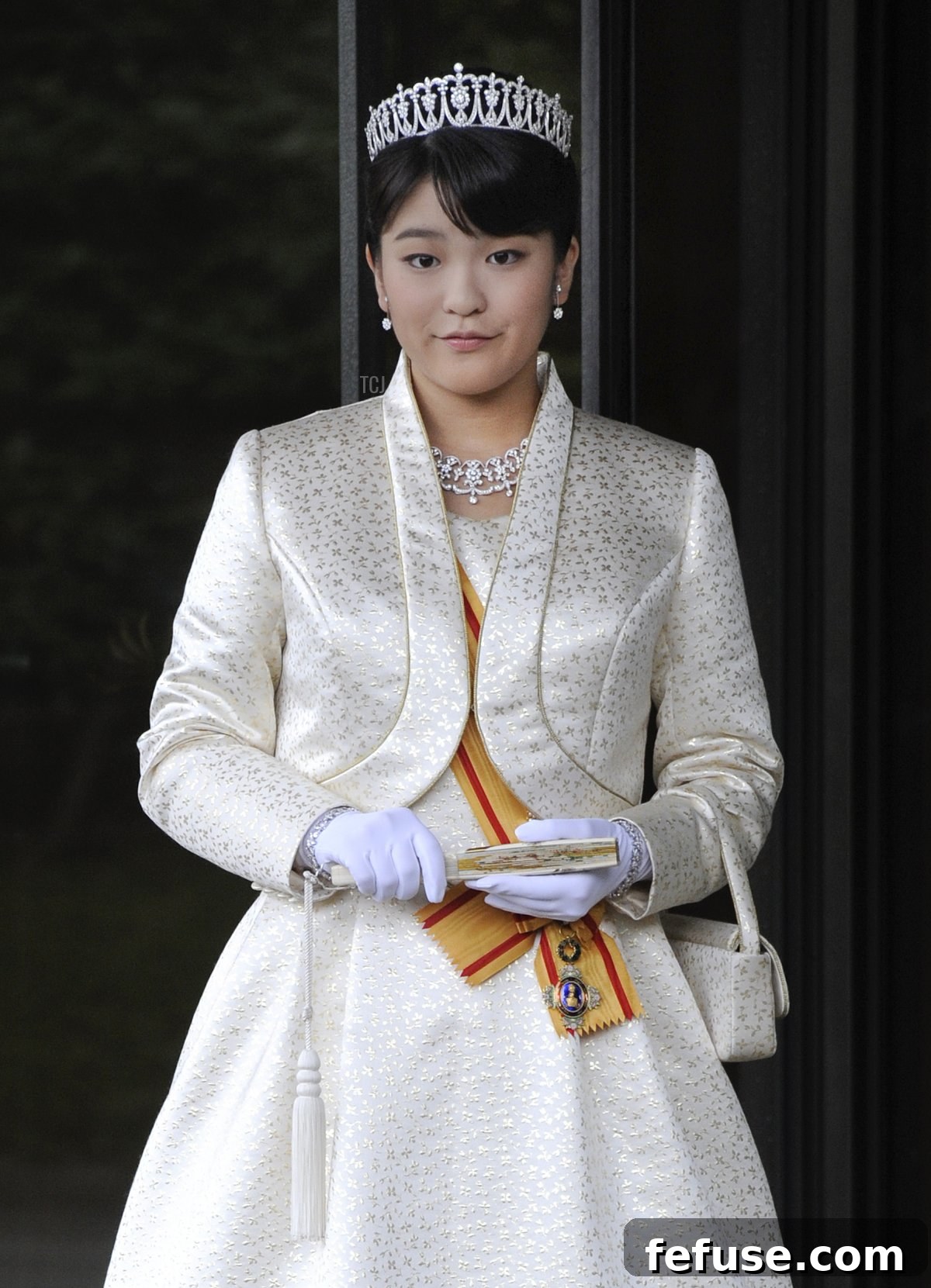
In a profound departure from imperial tradition, Princess Mako has chosen to forgo the customary lump-sum payment, or dowry, typically given by the Japanese government to imperial brides upon leaving the family. This sum, usually around 150 million yen (approximately $1.3 million USD), has been a standard practice for centuries. Reports indicate that Mako’s decision not to accept this payment, a move to further distance her marriage from any perception of financial gain, has been a long-held conviction, dating back to at least 2014. Furthermore, she will also hand back her elaborate parure of diamond jewelry, including her magnificent tiara, when she marries Komuro on October 26, symbolizing her complete detachment from her imperial status. Moreover, Mako is also opting out of the traditional wedding ceremonies for imperial princesses. Kyodo News reported speculation that her father, Crown Prince Fumihito, might have been instrumental in this decision, with one close friend commenting that “not allowing the rites to take place is ‘almost equal to disowning Princess Mako’ for him,” underscoring the severity of this unprecedented break from royal protocol.
A New Chapter: Life Beyond the Palace
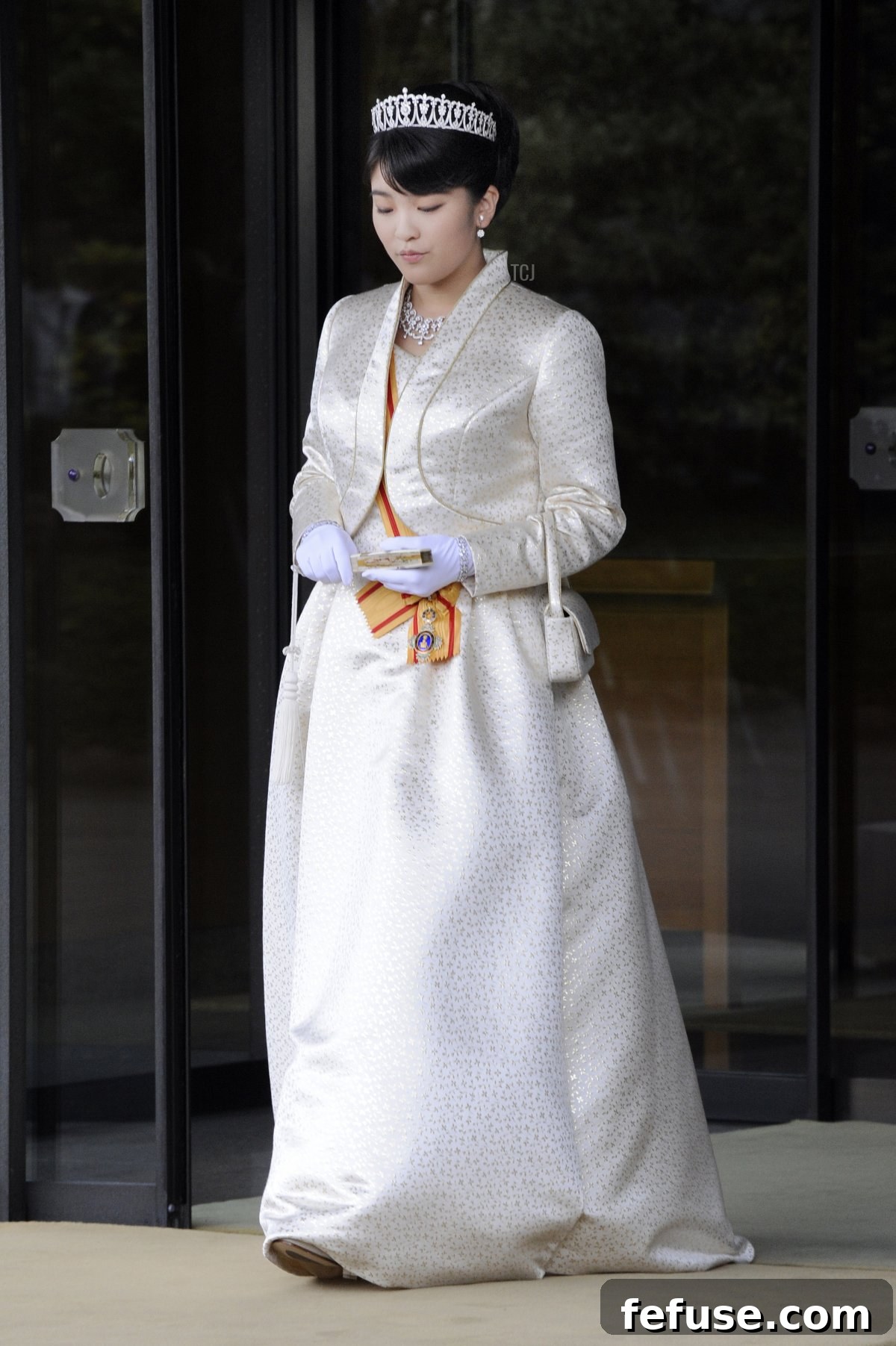
Instead of elaborate imperial ceremonies, Princess Mako and Kei Komuro will simply register their marriage in Tokyo on October 26, followed by a joint press conference. Prior to this, Mako will undertake several significant solo visits, including paying respects at the Imperial Palace Sanctuaries and meeting privately with her uncle and aunt, Emperor Naruhito and Empress Masako, as well as her beloved grandparents, Emperor Emeritus Akihito and Empress Emeritus Michiko. Emperor Naruhito and Empress Masako have already issued a statement of support through a courtier, expressing their sincere wishes for the couple’s happy future. This gesture is particularly poignant given their own experiences with the pressures of imperial life, a testament to the empathy within the family for Mako’s arduous journey.
Embracing Freedom: A Future in New York
And so, after more than four years of an emotionally taxing engagement, Princess Mako of Akishino will finally be allowed to marry the man she loves. Following their simple civil registration, the couple plans to settle in New York City, where Kei Komuro has been working at the Manhattan law firm, Lowenstein Sandler, while awaiting his bar exam results. It is widely speculated that Princess Mako will continue her research work in America, perhaps finding a renewed sense of purpose and freedom in her chosen field. This move to the United States mirrors the path taken by other Japanese royals seeking a more private existence.
As highlighted in a recent New York Times article, a Japanese princess from an earlier generation shared similar sentiments about life abroad. In 1965, Mako’s great-aunt, Takako Shimazu, revealed the profound peace she found living with her husband in Washington, D.C., stating, “I’m happier than when I lived in Japan. As a citizen, there is no mental pressure. I was able to live without garnering people’s attention, quietly.” This poignant reflection offers a glimpse into the hopes Princess Mako likely holds for her own new chapter. Her marriage, though unconventional and fraught with challenges, represents a deeply personal triumph, a testament to her steadfast love and resilience in the face of rigid tradition and intense public scrutiny. As she steps away from the imperial spotlight, Princess Mako embarks on a new life, defining her own destiny, free from the constraints of the Chrysanthemum Throne.